Wyandotte
By The Coop Team · Updated May 25, 2026
Quick answer
Wyandottes are dual-purpose chickens that weigh approximately 6.5 pounds for hens and 8.5 pounds for roosters. They produce around 200 brown eggs per year and thrive in cold climates due to their cold hardiness and dense feathering.
Key facts
- Egg production
- 200 eggs per year
- Hen weight
- 6.5 pounds
- Rooster weight
- 8.5 pounds
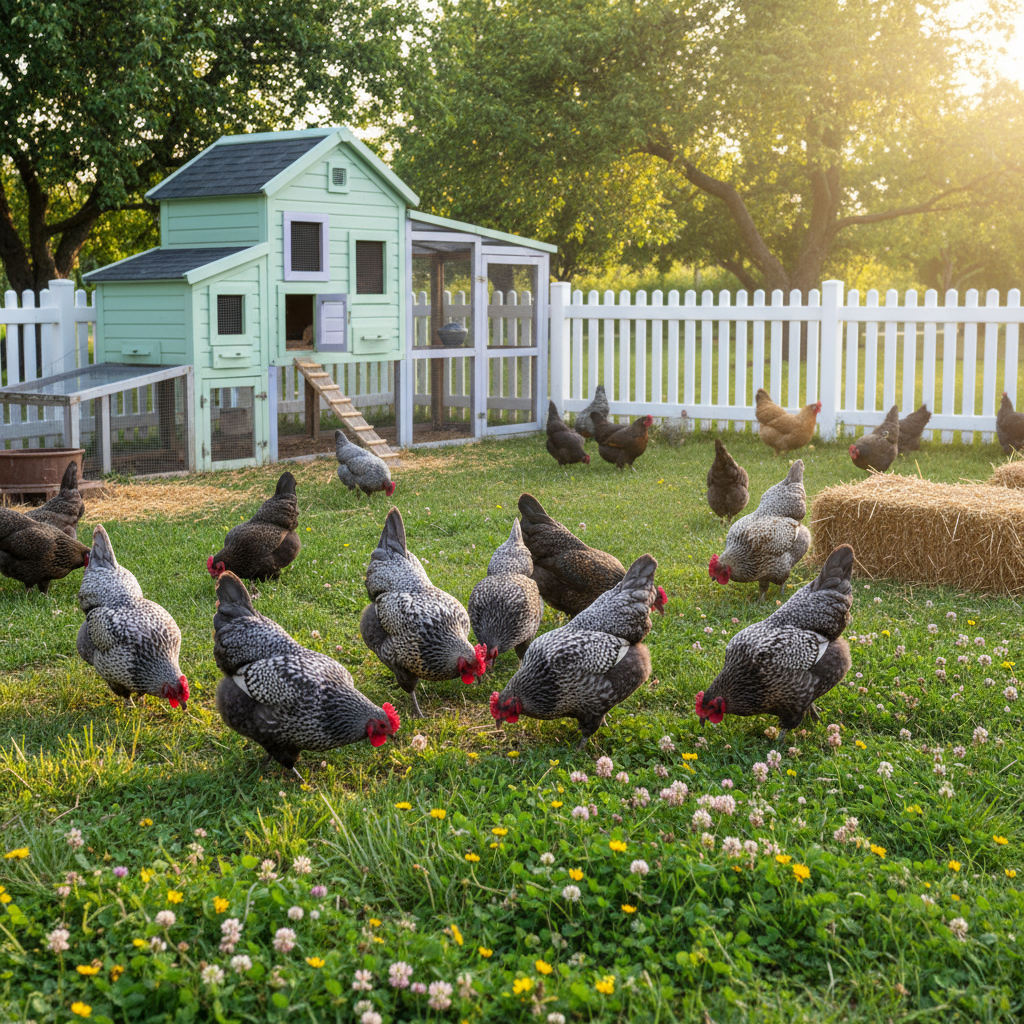
If you're thinking about adding Wyandottes to your backyard flock, you're in for a treat. These American dual-purpose chickens are as beautiful as they are practical, with stunning laced plumage and a knack for laying around 200 brown eggs a year. Known for their calm demeanor and cold hardiness, Wyandottes are a top pick for those in northern climates. Let's dive into why this breed could be the perfect fit for your coop.
What Makes Wyandottes Unique?
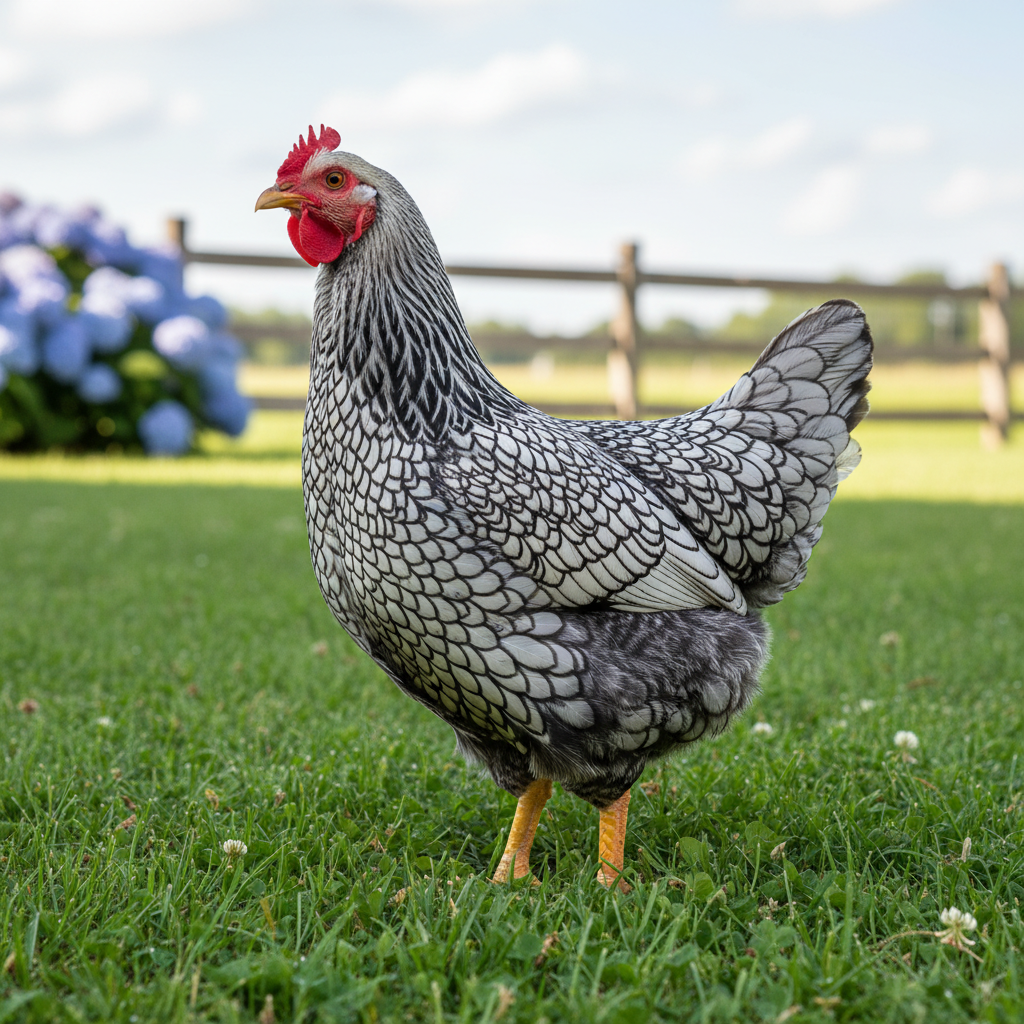
Wyandottes stand out for several reasons. Their rose comb not only adds to their distinctive looks but also serves a practical purpose: it helps resist frostbite during chilly winters. These chickens weigh in at about 6.5 pounds for hens and 8.5 pounds for roosters, making them a substantial bird for both meat and eggs. The laced plumage comes in a variety of colors, including Silver, Golden, and Blue, each with a beautiful pattern that makes them a favorite in the show ring.
Cold-Hardy and Resilient
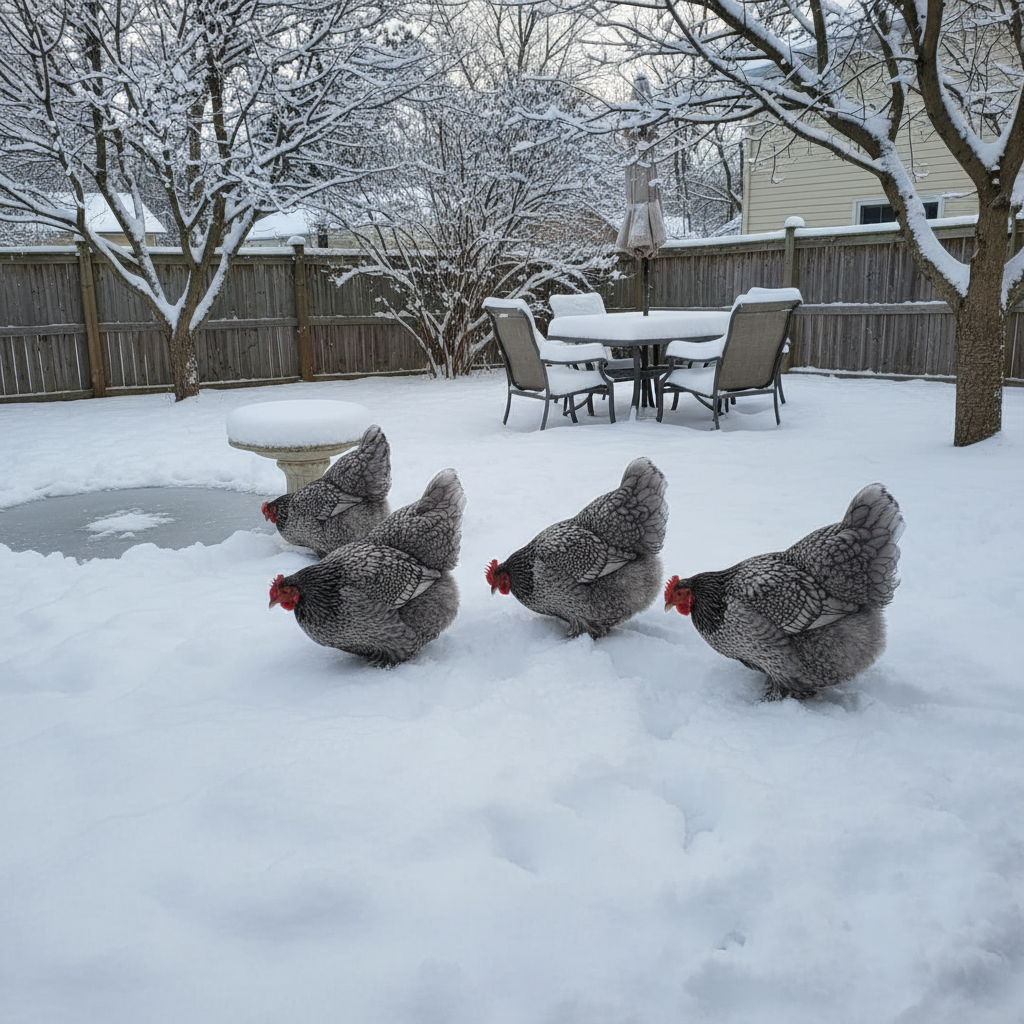
For those living in cooler areas, Wyandottes are a dream. Their dense feathering and rose combs make them particularly suited to withstand harsh winters without much fuss. I've found my Wyandottes handle the snow far better than some other breeds like the Leghorn, which might have larger combs more prone to frostbite.
Egg Production
Averaging 200 eggs annually, Wyandotte hens provide a steady supply of eggs. Their brown eggs are medium to large, perfect for a family looking to have fresh eggs on hand. While they might not outlay the Australorp or Rhode Island Red, their productivity is reliable and coupled with their other traits, makes them a valuable addition to any backyard flock.
How to Care for Wyandottes
Caring for Wyandottes isn't much different from other breeds, but there are a few specifics to keep in mind.
Feeding
To keep your Wyandottes healthy and productive, a balanced diet is essential. Feed them a quality layer feed from brands like Purina or Kalmbach to ensure they get the right nutrients. You might also consider supplementing with grit and oyster shell to aid in digestion and shell strength.
Shelter Needs
Wyandottes require a well-ventilated coop to prevent respiratory issues, which can be a problem in tightly packed, moist environments. Adequate coop ventilation is crucial, especially given their dense feathering. They also need enough space to roam, so ensure your setup follows proper coop size per bird guidelines.
Health Considerations
Like any chicken breed, Wyandottes can be susceptible to certain health issues.
Common Ailments
- Respiratory Issues: While their dense feathers and combs help with cold hardiness, poor ventilation can lead to respiratory problems. Ensure your coop is well-ventilated.
- Parasites: Regular checks for mites and lice are important. Dust baths can help them manage these pests naturally.
Disease Prevention
Vaccinations can protect against diseases like Marek's Disease. It's also wise to keep an eye out for symptoms of Coccidiosis, a common issue in poultry, especially in damp conditions.
Why Choose Wyandottes for Your Flock?
Wyandottes make an excellent choice for homesteaders looking for a reliable, easy-going bird. Their beauty and productivity make them stand out, and their adaptability to cold climates makes them perfect for northern homesteads. As a dual-purpose breed, they're a great option for those wanting both eggs and meat.
Frequently Asked Questions
Are Wyandottes good for beginners?
Yes, Wyandottes are excellent for beginners. They're relatively low-maintenance, cold-hardy, and have a gentle disposition, making them easy to handle.
How do Wyandottes compare to other dual-purpose breeds?
Compared to breeds like the Brahma and Plymouth Rock, Wyandottes hold their own in terms of egg production and cold hardiness. They might not be as giant as Brahmas, but their size is still substantial.
What should I feed my Wyandotte chicks?
For chicks, start with a high-quality starter feed, transitioning to a grower feed as they mature. Refer to our guide on feeding by life stage for detailed advice.
Do Wyandottes get along with other chickens?
Wyandottes generally coexist well with other breeds. Their calm nature means they're less likely to bully others, but always monitor interactions in mixed flocks.
How often should I clean my Wyandotte's coop?
Regular cleaning is crucial to prevent health issues. Aim for a thorough clean-out at least once a month, with spot-cleaning as needed, especially during wet seasons.
Explore more about other breeds like Marans and their unique traits to find the perfect flock mix.
Got questions or your own tips?
Jump into the community and swap notes with other backyard chicken keepers.
Discuss in the community →Comments
Sign in to join the conversation.