
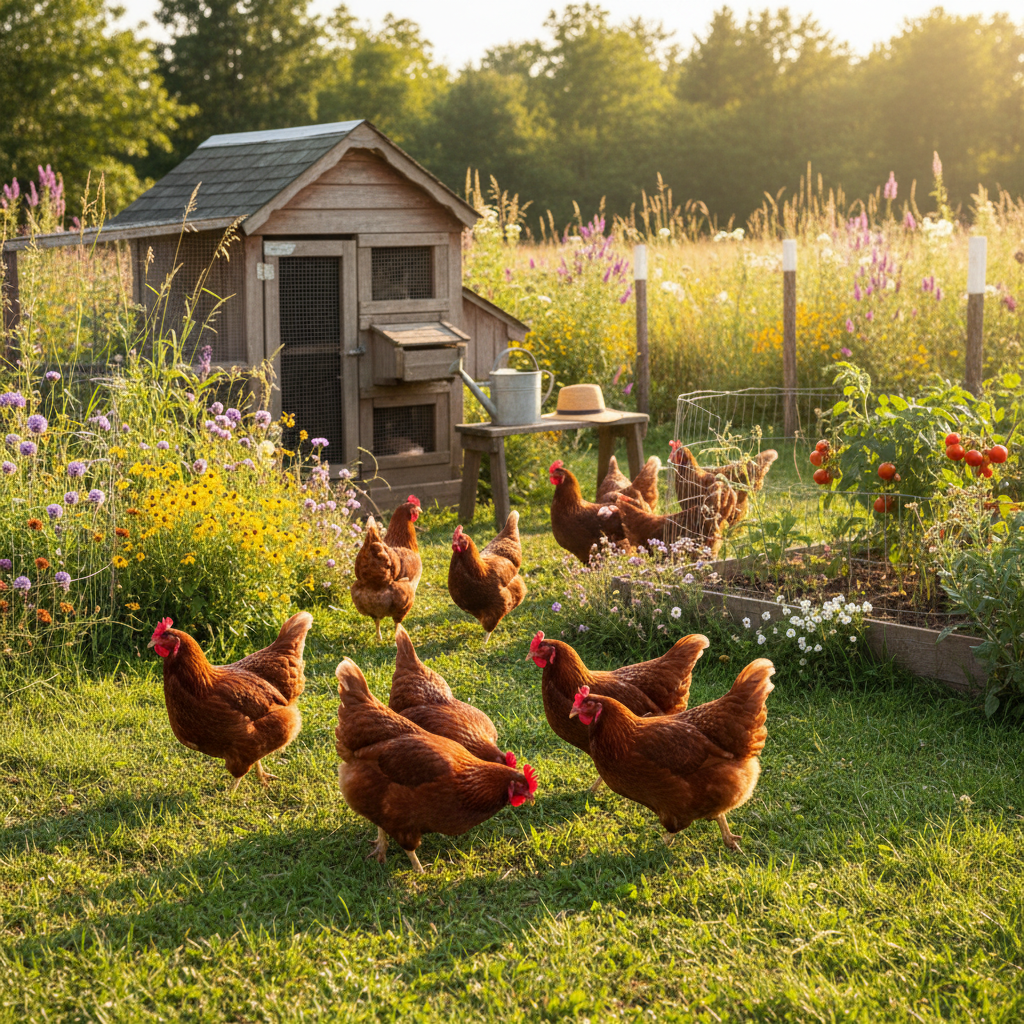
Rhode Island Red
By The Coop Team · Updated May 25, 2026
Quick answer
The Rhode Island Red is a versatile chicken breed known for its hardiness and egg production, laying 200 to 300 large brown eggs annually. They require at least 4 square feet of coop space per bird and thrive in various climates.
Key facts
- Egg Production
- 200-300 large brown eggs per year
- Coop Space Requirement
- 4 square feet per bird
- Weight of Hens
- 6.5 pounds
- Weight of Roosters
- 8.5 pounds
- Lifespan
- 5-8 years
From their striking deep red plumage to their reliable egg production, the Rhode Island Red is a beloved breed among backyard chicken keepers. Developed in the late 19th century in the United States, these dual-purpose birds are known for their adaptability and hardiness, making them a top choice for both novice and experienced poultry enthusiasts.
What Makes the Rhode Island Red Special?
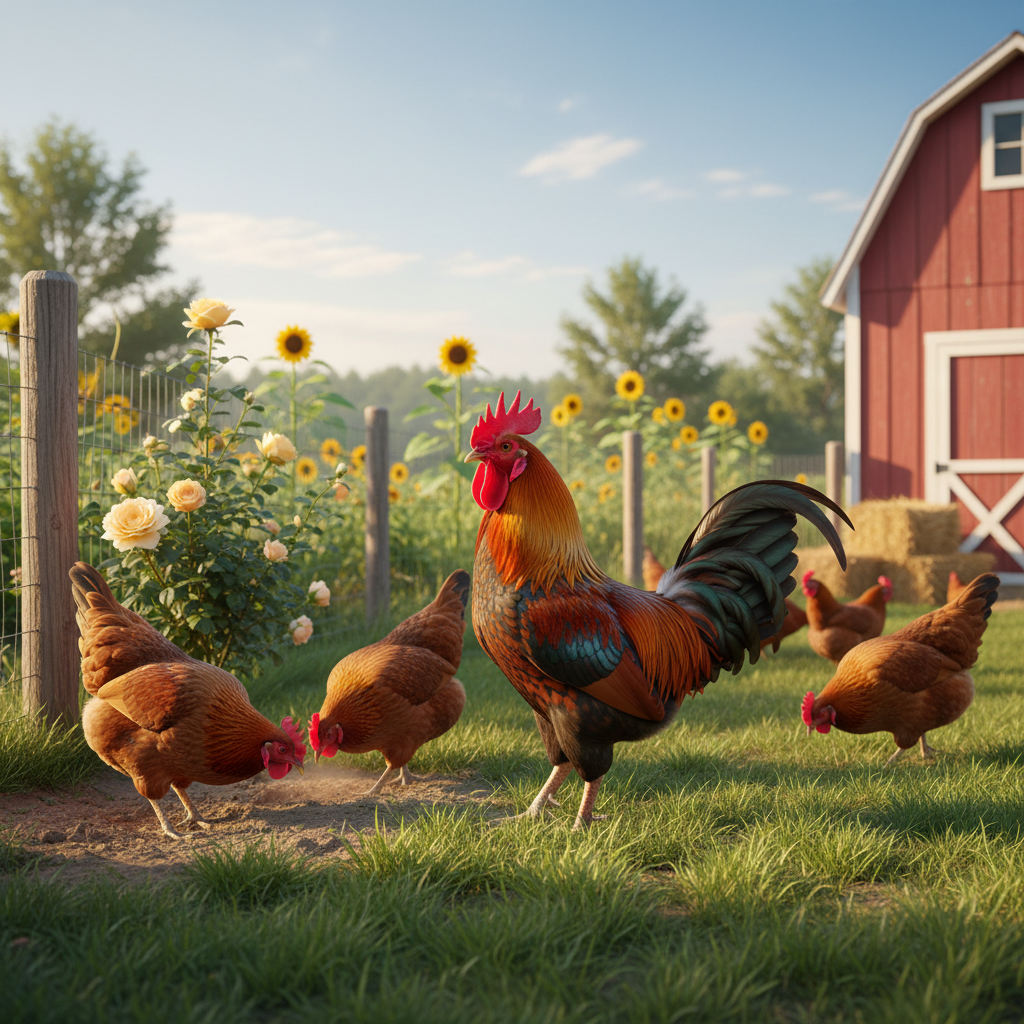
The Rhode Island Red is a quintessential American breed, combining excellent egg-laying capabilities with a solid frame suitable for meat production. Hens can lay between 200 to 300 large brown eggs annually, making them a fantastic choice for those seeking a steady supply of eggs. Weighing in at about 6.5 pounds for hens and 8.5 pounds for roosters, these birds are meaty enough for the table as well.
They're also known for their resilience. Whether in cold New England winters or hot Southern summers, Rhode Island Reds thrive. However, those with single-combs should be watched closely in temperatures below 10°F as they can be susceptible to frostbite.
How to Care for Rhode Island Reds in Different Climates
Cold Climates
In colder regions, such as USDA Hardiness Zones 3-5, providing adequate shelter is crucial. A well-insulated coop with good ventilation will prevent moisture buildup and frostbite. Consider using a deep litter method on the coop floor to provide natural insulation and a bit of extra warmth.
- Coop Setup: Ensure your coop has good ventilation. Check out our guide on coop ventilation for more information.
- Comb Protection: Apply petroleum jelly to single combs during frigid temperatures to reduce frostbite risk.
Hot Climates
In warmer areas (Zones 7-10), ensure ample shade and fresh water is available at all times. Rhode Island Reds are known to cope well with heat, but even the hardiest chickens need relief from scorching sun.
- Shade and Water: Set up shaded areas with tarps or natural hedges and provide multiple water sources to prevent dehydration.
Feeding Your Rhode Island Reds
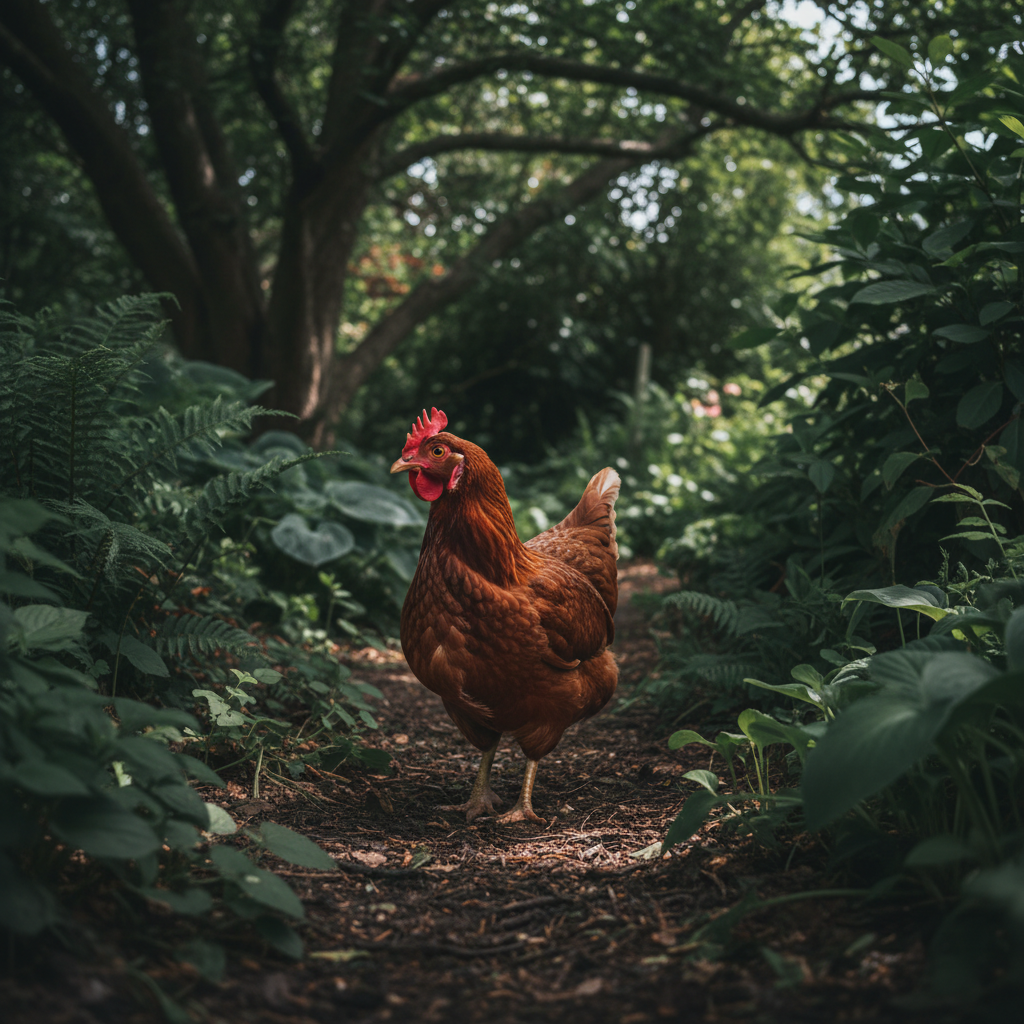
Feeding is straightforward with Rhode Island Reds. A balanced layer feed like Purina Layena or Kalmbach Layer Crumbles will meet most of their nutritional needs. Supplement their diet with grit if they don't have access to natural pebbles, and offer oyster shells for strong eggshells.
For more detailed guidance, see our Feed by Life Stage article.
Behavior and Temperament
Rhode Island Reds have a generally calm and friendly disposition, making them great for families and first-time chicken keepers. However, roosters can be assertive and territorial, especially during breeding season.
Tips for Managing Rooster Assertiveness
- Space: Ensure adequate space in the coop (at least 4 square feet per bird) to reduce aggression. Learn more about this in our Coop Size Per Bird guide.
- Observation: Spend time observing your flock to notice early signs of aggression, intervening if necessary.
Common Health Issues
While Rhode Island Reds are generally hardy, they can still face health challenges:
- Respiratory Issues: Ensure good ventilation and clean coop conditions. Our Respiratory Disease guide offers more tips.
- Parasites: Regularly check for mites and lice, using our Mites and Lice article as a resource.
Frequently Asked Questions
What size coop do Rhode Island Reds need?
Rhode Island Reds need at least 4 square feet of space per bird inside the coop and 10 square feet in the run to thrive.
Are Rhode Island Reds good for free-ranging?
Yes, they are excellent foragers and do well in a free-range setup, reducing feed costs and keeping them active.
Do Rhode Island Reds get along with other breeds?
Typically, yes. They mix well with other breeds like Plymouth Rocks, Australorps, and Buff Orpingtons.
How long do Rhode Island Reds live?
With proper care, they can live 5-8 years, sometimes longer.
When do Rhode Island Reds start laying eggs?
Hens usually begin laying at around 18 to 22 weeks of age.
Got questions or your own tips?
Jump into the community and swap notes with other backyard chicken keepers.
Discuss in the community →Comments
Sign in to join the conversation.