
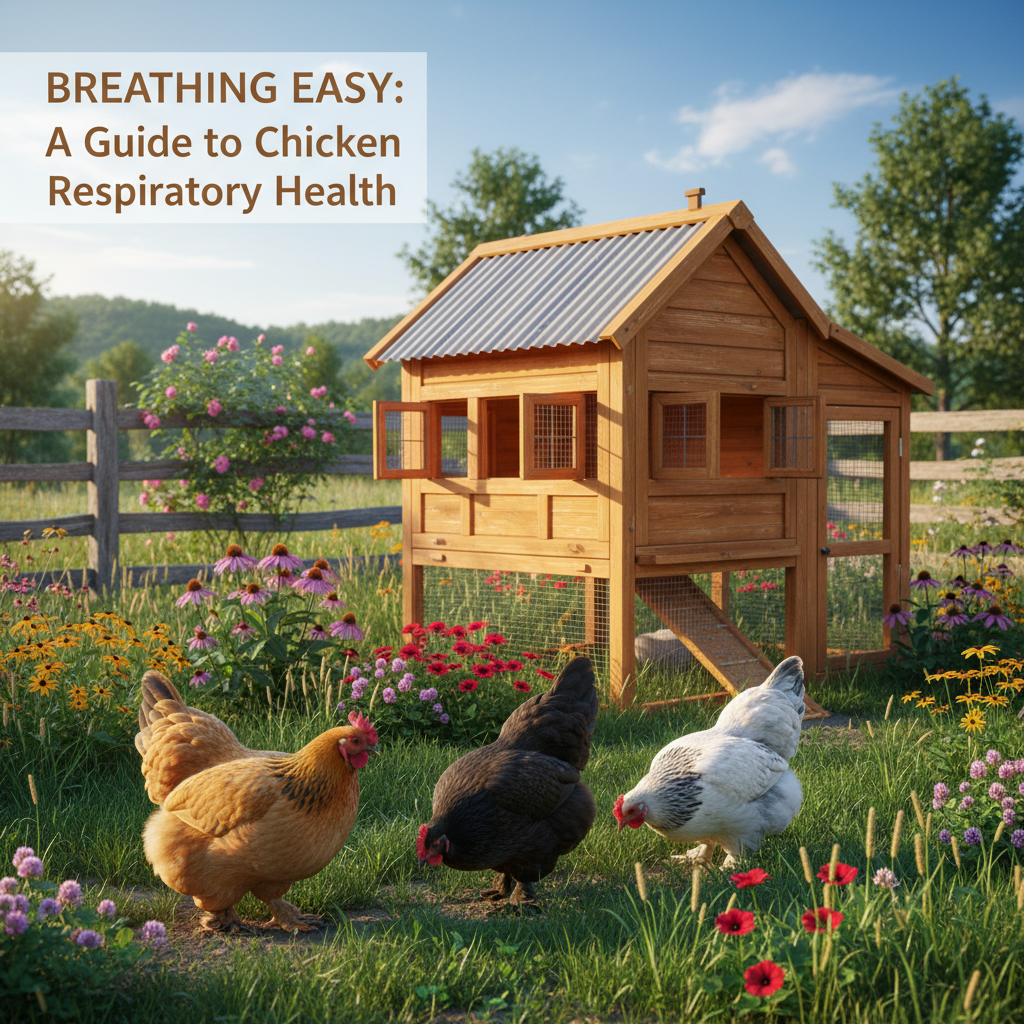
Respiratory Disease (CRD, MG, IB)
By The Coop Team · Updated May 25, 2026
Quick answer
Backyard chickens are susceptible to respiratory diseases such as Chronic Respiratory Disease, Infectious Bronchitis, and Infectious Coryza. Symptoms include sneezing and drop in egg production. Prevention involves good ventilation, quarantining new birds for 30 days, and regular coop cleaning to maintain flock health.
Key facts
- Quarantine Duration
- 30 days
- Chicken Breeds Known for Resilience
- 4 breeds
- Preferred Bedding
- pine shavings
If you've noticed your hens sneezing or wheezing, or seen a drop in egg production, you might be dealing with respiratory diseases. Backyard chickens can suffer from a few common respiratory diseases, including Chronic Respiratory Disease, Infectious Bronchitis, and Infectious Coryza. Understanding these illnesses and how to prevent and treat them is crucial for any chicken keeper. Let me walk you through what you need to know to keep your flock healthy.
What Are Common Respiratory Diseases in Chickens?
Chickens, like any other animals, can come down with respiratory issues. Here are the big three:
Chronic Respiratory Disease (CRD)
CRD is caused by the bacterium Mycoplasma gallisepticum. Chickens infected with this bacterium can become lifelong carriers, meaning they might not show symptoms but can pass it to others. Typical signs include nasal discharge, coughing, and a drop in egg production. Always practice a strict 30-day quarantine before introducing new birds to your flock to prevent the spread.
- Prevention: Ensure your coop has good ventilation and is kept clean to reduce stress and improve health.
- Treatment: Consult with a poultry vet for the appropriate antibiotics.
Infectious Bronchitis (IB)
This highly contagious viral disease spreads rapidly through chicken coops. It primarily affects the respiratory system but can also impact egg production, reducing both the quantity and quality of eggs.
- Prevention: Vaccination is the most effective way to prevent IB. Most hatcheries offer vaccinated chicks.
- Treatment: Supportive care is key as antibiotics won't affect the virus. Keep birds warm and well-fed.
Infectious Coryza
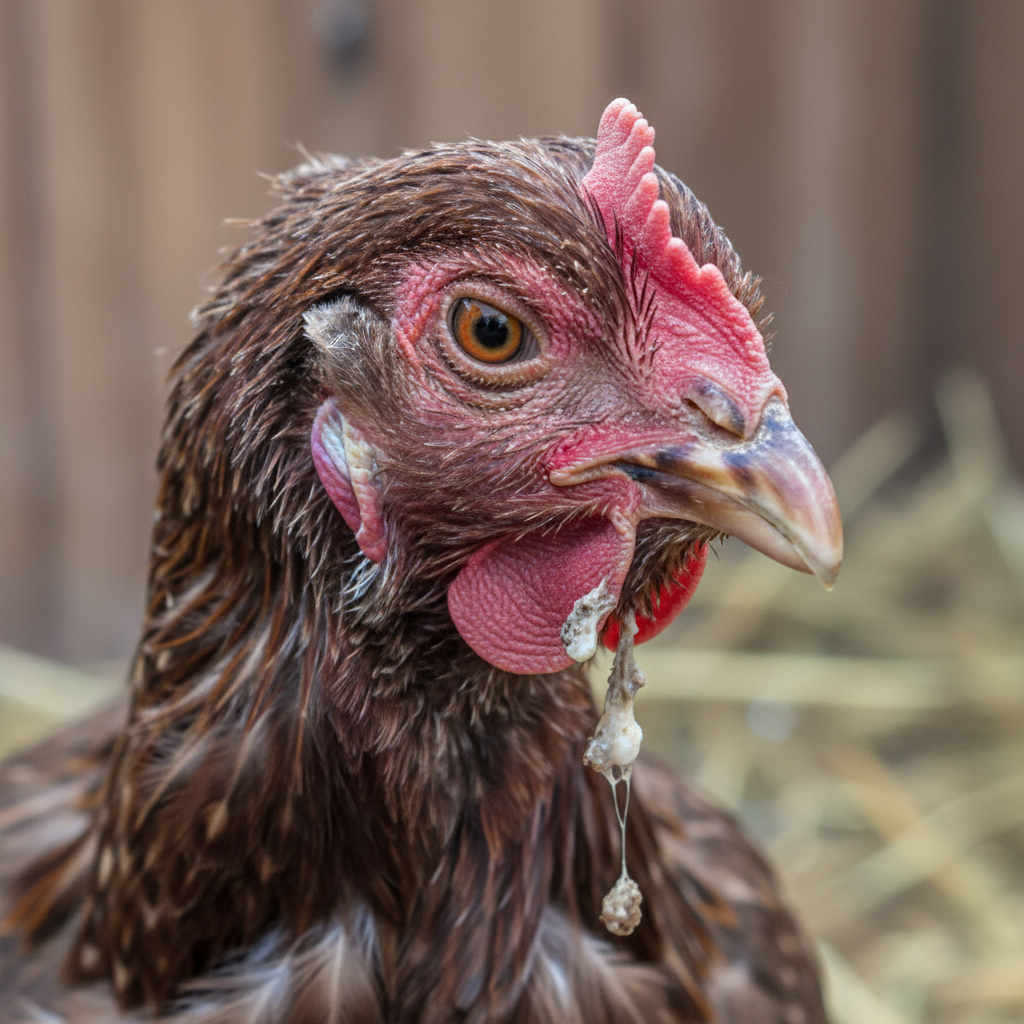
Infectious Coryza is a bacterial infection causing nasal discharge, facial swelling, and loss of appetite. It often comes on fast, making early detection crucial.
- Prevention: Maintain a closed flock to minimize exposure to this disease.
- Treatment: Antibiotics can help, but consult a vet for the best approach.
What Are the Signs of Respiratory Disease in Chickens?
Spotting the symptoms early can save your flock. Look for these signs:
- Sneezing or wheezing
- Nasal discharge
- Swollen face or wattles
- Drop in egg production
- Lethargy
These symptoms can be similar across diseases, so a vet diagnosis is often needed to determine the exact cause.
How to Prevent Respiratory Diseases in Your Flock
Preventative measures are your best line of defense.
Ensure Good Coop Ventilation
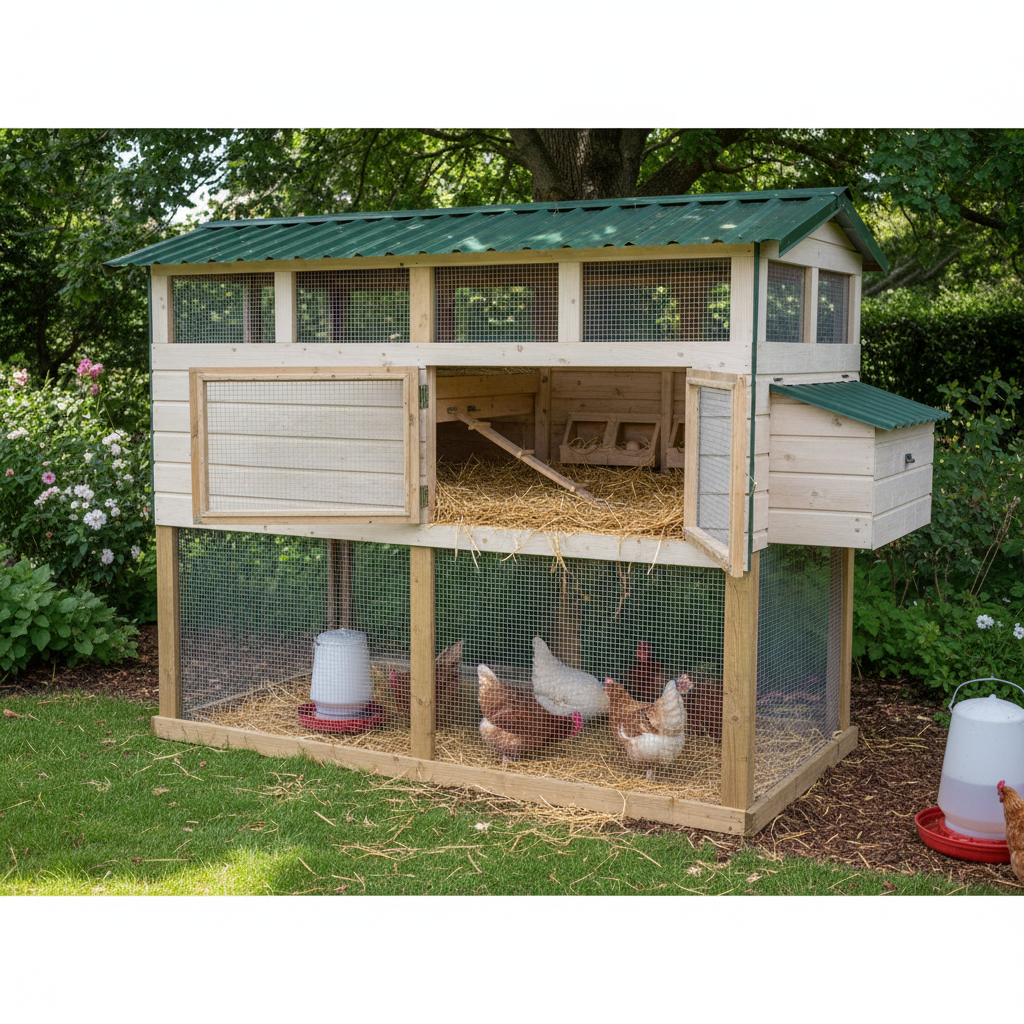
Poor ventilation leads to ammonia buildup, which irritates chickens' respiratory systems. Check out our guide on coop ventilation for tips.
Quarantine New Birds
Always quarantine new birds for at least 30 days. This isolation period helps prevent introducing diseases to your existing flock.
Keep the Coop Clean
Regularly clean and disinfect your coop to reduce pathogens. A clean coop also minimizes stress, which lowers disease risk.
How to Treat Respiratory Diseases in Chickens
If prevention fails, here's how to handle sick birds:
Consult a Poultry Vet
First and foremost, find a vet experienced with poultry. They can prescribe antibiotics or other treatments depending on the disease.
Isolate Sick Birds
Separate infected birds to prevent spreading the disease. Make sure they have a warm, comfortable space to recover.
Provide Supportive Care
Keep sick birds hydrated and fed with quality feed. For tips on nutrition, see our guide on feeding by life stage.
Can Certain Breeds Resist Respiratory Diseases?
Some breeds are known for their hardiness and disease resistance:
- Australorp: I've kept Australorps for 6 years and they're quite robust.
- Buff Orpington: Friendly and fairly resistant to common ailments.
- Wyandotte and Plymouth Rock: Both are known for their resilience.
Explore our Australorp and Buff Orpington breed guides for more details.
Frequently Asked Questions
Can I still eat eggs from a chicken with a respiratory disease?
Yes, but be cautious. If the chicken is on medication, follow withdrawal times before consuming the eggs.
What's the best bedding to reduce respiratory issues?
Pine shavings are often recommended as they reduce dust and absorb moisture well, keeping the environment dry and healthier.
How do I know if my chicken has a respiratory disease or just a cold?
Chickens don't get colds like humans. Any respiratory symptoms should be taken seriously and checked by a vet.
Are there vaccines for chicken respiratory diseases?
Yes, particularly for diseases like Infectious Bronchitis. Consult with your hatchery or vet about vaccination options.
How do I find a poultry vet?
Check with local agricultural extensions or poultry clubs for recommendations. Many universities with vet programs can also guide you.
For more on other common chicken ailments, check our articles on Marek's Disease and Highly Pathogenic Avian Influenza.
Got questions or your own tips?
Jump into the community and swap notes with other backyard chicken keepers.
Discuss in the community →Comments
Sign in to join the conversation.