
Highly Pathogenic Avian Influenza (HPAI / Bird Flu)
By The Coop Team · Updated May 25, 2026
Quick answer
Highly Pathogenic Avian Influenza, or bird flu, is a dangerous disease affecting chickens, particularly the H5N1 strain. Recognizing symptoms and taking preventive measures, such as quarantining new birds for 30 days and maintaining sanitation, is essential to protect your flock.
Key facts
- Quarantine period for new birds
- 30 days
- Risk increase during migration
- spring and fall
- Bleach concentration for disinfection
- 10%
- USDA contact number for HPAI suspicion
- 1-866-536-7593
- Common carriers of HPAI
- wild waterfowl
Highly Pathogenic Avian Influenza (HPAI), often known as bird flu, is a serious concern for backyard chicken keepers across the U.S. This contagious disease, particularly the H5N1 strain, can swiftly decimate a flock and poses a significant threat to both small and large poultry operations. While daunting, understanding HPAI and taking preventive measures can help keep your flock safe.
What is Highly Pathogenic Avian Influenza?
HPAI is a type of influenza virus that primarily affects birds, with H5N1 being one of the most aggressive strains. It spreads rapidly among birds, especially through direct contact with infected waterfowl or contaminated environments, such as water, feed, or equipment. The USDA reports that wild waterfowl are common carriers of the virus, making them a primary source of transmission.
Symptoms of HPAI in Chickens
Recognizing the symptoms of HPAI in your flock is crucial, though they can sometimes mimic other illnesses. Key signs include:
- Sudden death without prior symptoms
- Swollen head and eyes
- Purple discoloration of the wattles and comb
- A significant drop in egg production
- Nasal discharge and coughing
- Neurological symptoms like tremors
If you notice these symptoms, it's vital to act quickly to minimize the spread. Contact USDA at 1-866-536-7593 if you suspect HPAI in your flock.
How is HPAI Spread?
HPAI spreads through contact with infected birds or surfaces. Wild birds, particularly ducks and geese, often carry the virus without showing symptoms, and can spread it to domestic birds. The virus can persist on surfaces, such as feeders and waterers, making sanitation critical.
Human Impact and Biosecurity
While HPAI primarily affects birds, it can occasionally infect humans, usually those who are in close contact with infected birds. Practicing good biosecurity can reduce this risk. Keep your birds covered during migration seasons and enforce strict sanitation measures, such as cleaning shoes and equipment between properties. This aligns with USDA guidelines for minimizing the risk of transmission.
Preventing HPAI in Your Backyard Flock
Prevention is your best defense against HPAI. Here are some strategies:
- Quarantine New Birds: Always isolate new birds for at least 30 days before introducing them to your flock.
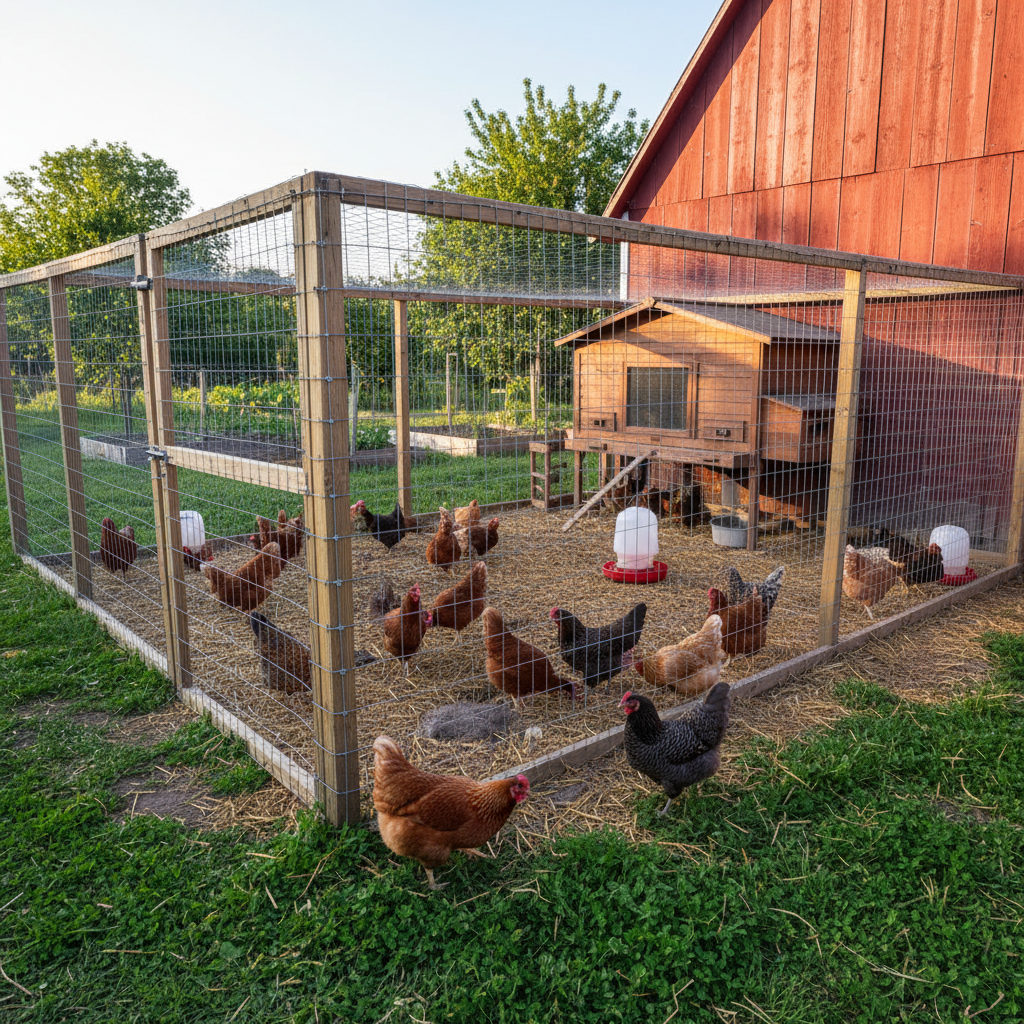
- Limit Wild Bird Contact: Install fencing or netting to prevent contact between your chickens and wild birds.
- Regular Sanitation: Clean and disinfect coops, feeders, and waterers regularly. A solution with a 10% bleach concentration is effective.
- Keep Birds Indoors: During high-risk migration periods, consider keeping your flock indoors or under cover.

What Happens if HPAI is Detected in Your Flock?
There is currently no treatment for HPAI in birds. If an outbreak occurs, the USDA mandates depopulation of infected flocks to control the spread. While this is a difficult measure, it's necessary to protect the wider poultry population. Compensation policies for affected farmers are in place through programs like the Animal and Plant Health Inspection Service (APHIS).
Frequently Asked Questions
How can I tell if it's HPAI or another illness?
Many symptoms of HPAI, such as respiratory distress and droopiness, overlap with other poultry diseases like Marek's Disease and Respiratory Disease. Sudden high mortality and neurological signs are more specific to HPAI, but testing is essential for accurate diagnosis.
Can HPAI affect my other pets or family?
HPAI primarily affects birds, but there are rare cases of transmission to humans, typically involving close contact with infected birds. There's no evidence of HPAI affecting common pets like dogs or cats, but maintaining good hygiene and biosecurity reduces any risk to your family.
When is the highest risk period for HPAI?
The risk of HPAI increases during spring and fall migrations of wild waterfowl. During these times, enhance your biosecurity measures and monitor your flock closely.
Are some chicken breeds more resistant to HPAI?
Buff Orpingtons and other heritage breeds may display robust health, but no breed is immune to HPAI. The key is consistent prevention practices across all breeds.
Should I stop feeding wild birds to protect my chickens?
Feeding wild birds can attract them to your property, increasing the risk of HPAI transmission to your chickens. If you choose to feed wild birds, do so away from your coop and clean any feeding areas regularly.
Final Thoughts from the Coop
Staying informed and vigilant is crucial in protecting your flock from HPAI. By practicing consistent biosecurity measures and staying alert to the signs of illness, you can safeguard your chickens against this potentially devastating disease. For more details on chicken health, explore topics like Coccidiosis and Mites and Lice.
Got questions or your own tips?
Jump into the community and swap notes with other backyard chicken keepers.
Discuss in the community →Comments
Sign in to join the conversation.