

Marek's Disease
By The Coop Team · Updated May 25, 2026
Quick answer
Marek's Disease is a viral illness caused by a herpesvirus that affects chickens primarily between 6 and 30 weeks of age. The disease causes paralysis and tumors, and there is currently no cure, making prevention crucial through vaccination and biosecurity measures.
Key facts
- Age range affected
- 6 to 30 weeks
- Vaccination timing
- Day-old chicks
- Quarantine duration for new birds
- 30 days
- Cleaning frequency
- Weekly cleaning recommended
- Virus persistence duration
- Months without a host
Marek's Disease is a dreaded term in the vocabulary of backyard chicken keepers. This insidious herpesvirus targets young chickens, leaving paralysis and tumors in its wake. Those who've seen the classic 'splits' posture, one leg stretched forward and one back, know it all too well. With no cure in sight, understanding prevention and symptoms is crucial.
What is Marek's Disease?
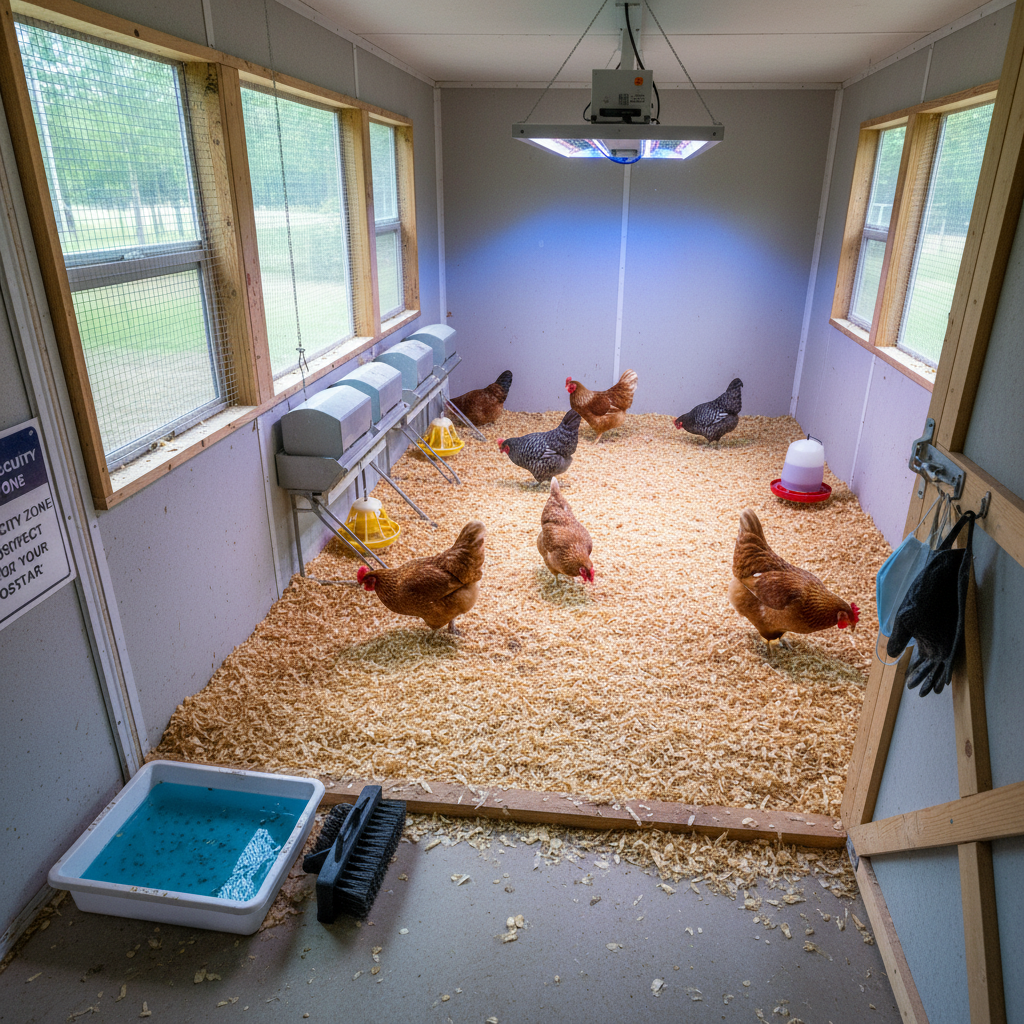
Marek's Disease is a highly contagious viral disease caused by a herpesvirus. It's primarily seen in chickens between 6 and 30 weeks of age, although older birds can also be affected. The virus causes tumors in various organs and peripheral nerves, leading to classic signs of paralysis. Marek's spreads easily via feather dander and can linger in the environment for years, making it a persistent threat to any flock.
Transmission and Persistence
- Spread: The virus is shed in skin cells and feather follicles, spreading through dust and dander in the coop.
- Longevity: Marek’s can survive in the environment without a host for months, making thorough cleaning and disinfection critical.
- Carriers: Infected birds can carry the virus without showing symptoms, inadvertently spreading it.
For more details on respiratory diseases that can affect chickens, read our article on Respiratory Disease (CRD, MG, IB).
Recognizing Symptoms of Marek's Disease
Spotting the early signs of Marek's Disease can mean the difference between containing an outbreak or facing widespread infection. While some symptoms are easily identified, others can mimic less severe illnesses.
Common Signs
- Paralysis: The 'classic' symptom is the splits, one leg forward and one back. This occurs because the virus attacks the nerves.
- Tumors: Internal tumors can develop, affecting organs such as the liver, spleen, and ovaries.
- Vision Loss: Some birds show cloudiness or graying of the iris, often called 'grey eye'.
Less Obvious Indicators
- Weight Loss: Despite a good appetite, infected birds may lose weight.
- Diarrhea: Loose stools can be a symptom if tumors affect the digestive tract.
To understand other health concerns in chickens, have a look at our guide on Coccidiosis.
Is There a Cure for Marek's Disease?
Sadly, there's no cure for Marek's Disease once a chicken is infected. The emphasis should be on prevention, which is feasible with the correct approach.
Why No Cure Exists
- Virus Nature: Like many viral diseases, Marek's remains incurable. Management focuses on prevention and supporting affected birds.
- Research: Continuous research is underway, but as of now, the focus is on vaccines and environment management.
How to Prevent Marek's Disease?
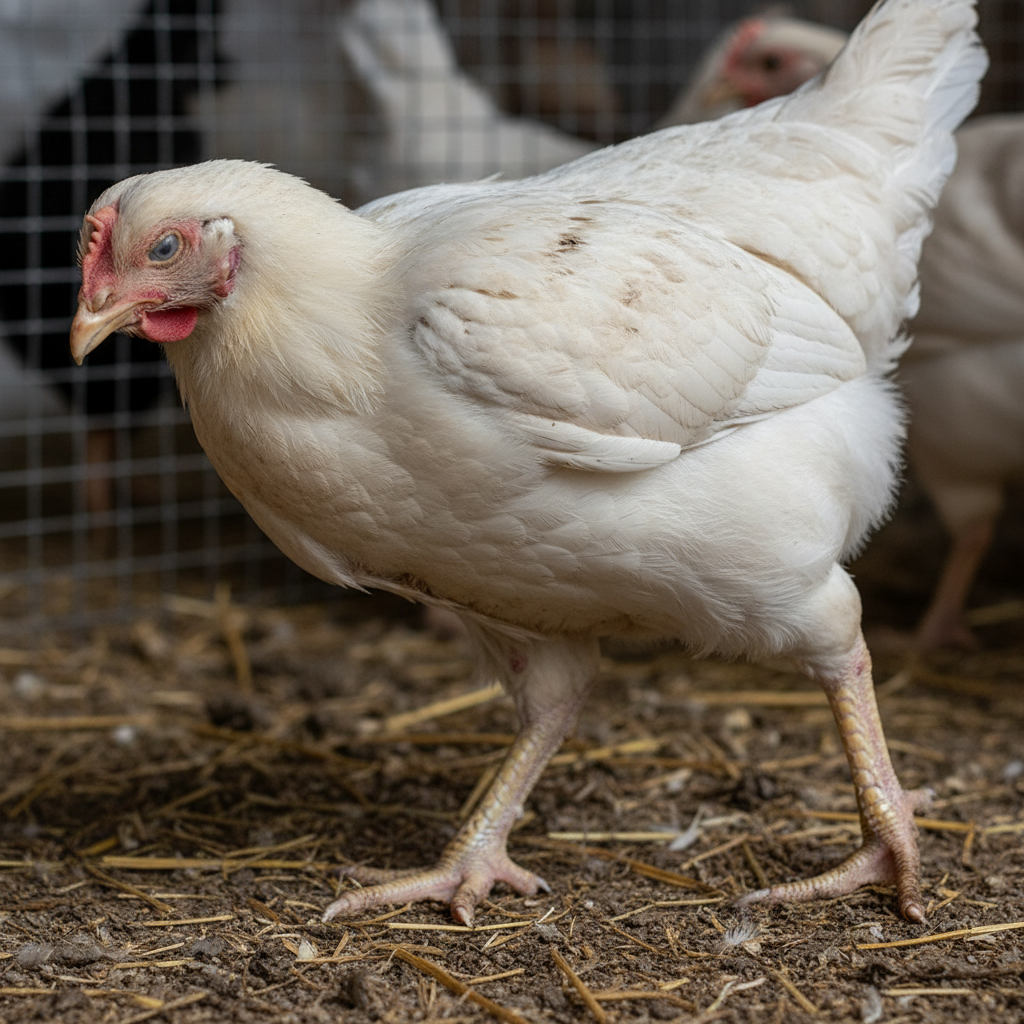
Prevention is your best defense. Vaccination and biosecurity practices are paramount to keep this disease at bay.
Vaccination
- Timing: Day-old chicks should be vaccinated at the hatchery. It's crucial to request this when ordering.
- Effectiveness: While the vaccine doesn't prevent infection, it does prevent tumor formation and reduces virus shedding.
Biosecurity Measures
- Cleaning: Regularly clean and disinfect the coop. Pay special attention to dust and dander.
- Quarantine New Birds: Keep new or returning birds separate for at least 30 days.
- Limit Visitors: Reduce foot traffic of people and equipment into your coop area.
What Breeds Can Get Marek's Disease?
While Marek's can affect any breed, some are more susceptible than others. Breeds like the Australorp, Buff Orpington, and Plymouth Rock are popular in backyards and can be affected. Each breed has its charm, but none are entirely resistant.
For breed-specific advice, explore our articles on the Silkie and Leghorn.
Frequently Asked Questions
What should I do if I suspect Marek's Disease?
If you suspect Marek’s, isolate the bird immediately to prevent spreading. Consult with a veterinarian who may recommend tests to confirm.
Can vaccinated birds still carry the virus?
Yes, vaccinated birds can still carry and shed the virus. The vaccine protects against symptoms and tumors but not against infection itself.
How often should I clean my coop to prevent Marek's?
Regular weekly cleaning is advised, with deep cleaning and disinfection every few months or when introducing new birds.
Can Marek's Disease affect other poultry?
While primarily a chicken disease, Marek’s can occasionally infect turkeys. However, it doesn't affect ducks or geese.
Are there any natural remedies for Marek’s Disease?
Unfortunately, no natural remedy exists to cure or prevent Marek’s. Focus should be on vaccination and rigorous biosecurity.
Stay informed about other potential threats by checking out our article on Highly Pathogenic Avian Influenza.
For further reading on chicken health management, the Merck Veterinary Manual and USDA APHIS are excellent resources.
Got questions or your own tips?
Jump into the community and swap notes with other backyard chicken keepers.
Discuss in the community →Comments
Sign in to join the conversation.