

Silkie
By The Coop Team · Updated May 25, 2026
Quick answer
Silkies are unique backyard chickens known for their fluffy feathers and black skin. They require 3 to 4 square feet in the coop and can lay about 100 small cream-colored eggs each year. Their gentle nature makes them great for beginners.
Key facts
- coop space per bird
- 3-4 sq ft
- average egg production
- 100 eggs per year
- coop size outdoors
- 10 sq ft
- young layer age
- 18 weeks
If you've ever encountered a Silkie, you know they're like the teddy bears of the chicken world. With their fluffy, fur-like feathers and unique black skin, they capture the hearts of backyard chicken enthusiasts everywhere. While they're often prized for their ornamental appeal, Silkies bring much more to the table. Let's explore what makes this breed special and how to care for them.
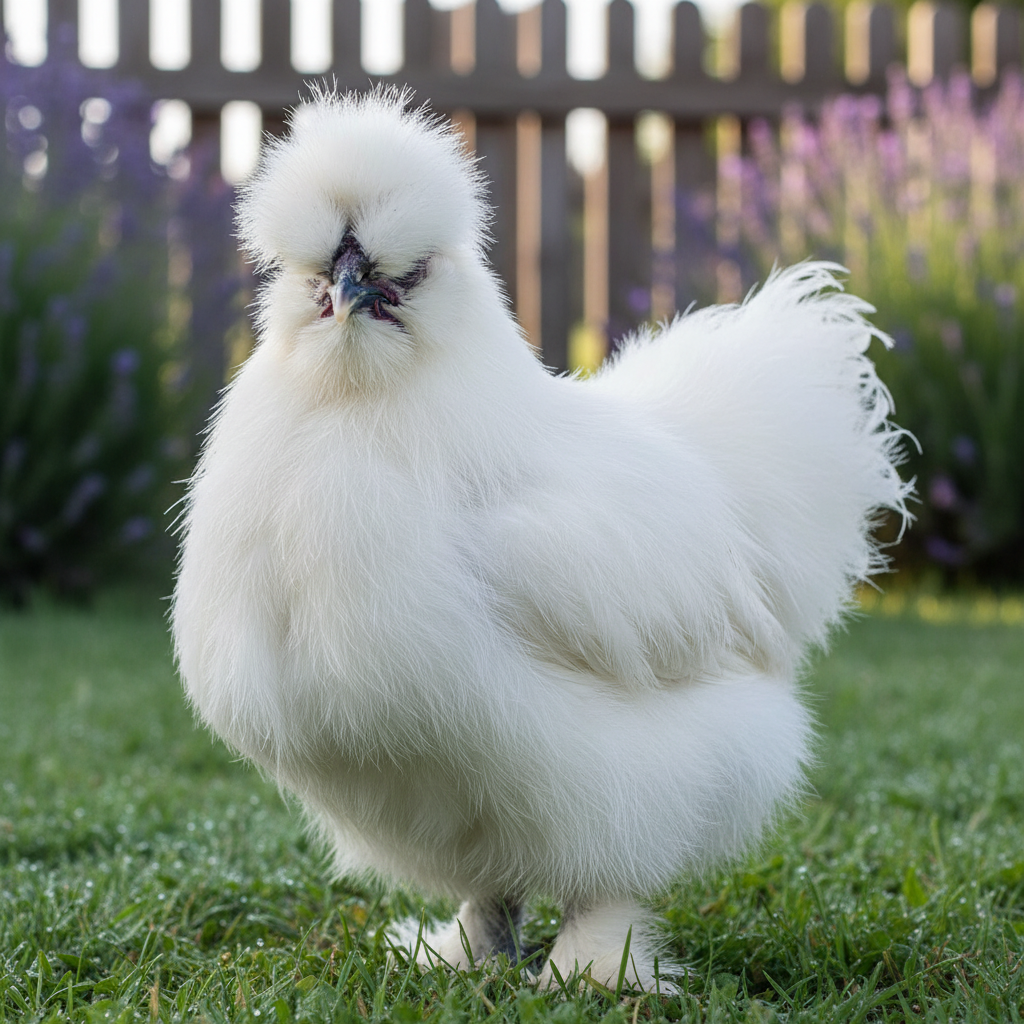
What are Silkie's Unique Features?
Silkies are notable for several distinct features:
- Feathers: Unlike most chickens, Silkies have fluffy, soft feathers that resemble fur. This unique trait is due to a lack of barbicels that usually hold feather barbs together.
- Skin and Bones: Their skin and bones are black (a rare trait called fibromelanosis), creating a stark contrast to their light-colored plumage.
- Extra Toes: While most chickens have four toes per foot, Silkies sport a fifth toe , a peculiar feature that's quite endearing.
These unique traits require specific care considerations to ensure your Silkies thrive.
How to Care for Silkie Feathers
Due to their fluffy feathers, Silkies require a bit more attention than other breeds.
- Dry Conditions: Silkies' feathers don't shed water as effectively as standard feathers. Ensure their coop is dry and draft-free, and avoid letting them out in heavy rain.
- Grooming: Regular checks and gentle grooming can help prevent matting and dirt build-up. A soft brush can work wonders.
- Predator Protection: Their inability to fly means you need to be extra vigilant about predator-proofing your coop and run.
What is Silkie's Egg Laying Capacity?
Silkies aren't prolific layers compared to breeds like the Leghorn, but they make up for it with their nurturing nature.
- Egg Production: Expect about 100 small, cream-colored eggs per year.
- Broodiness: Silkies are famous for their broodiness and make excellent surrogate mothers for hatching eggs from other breeds.
How to Create a Suitable Coop Environment
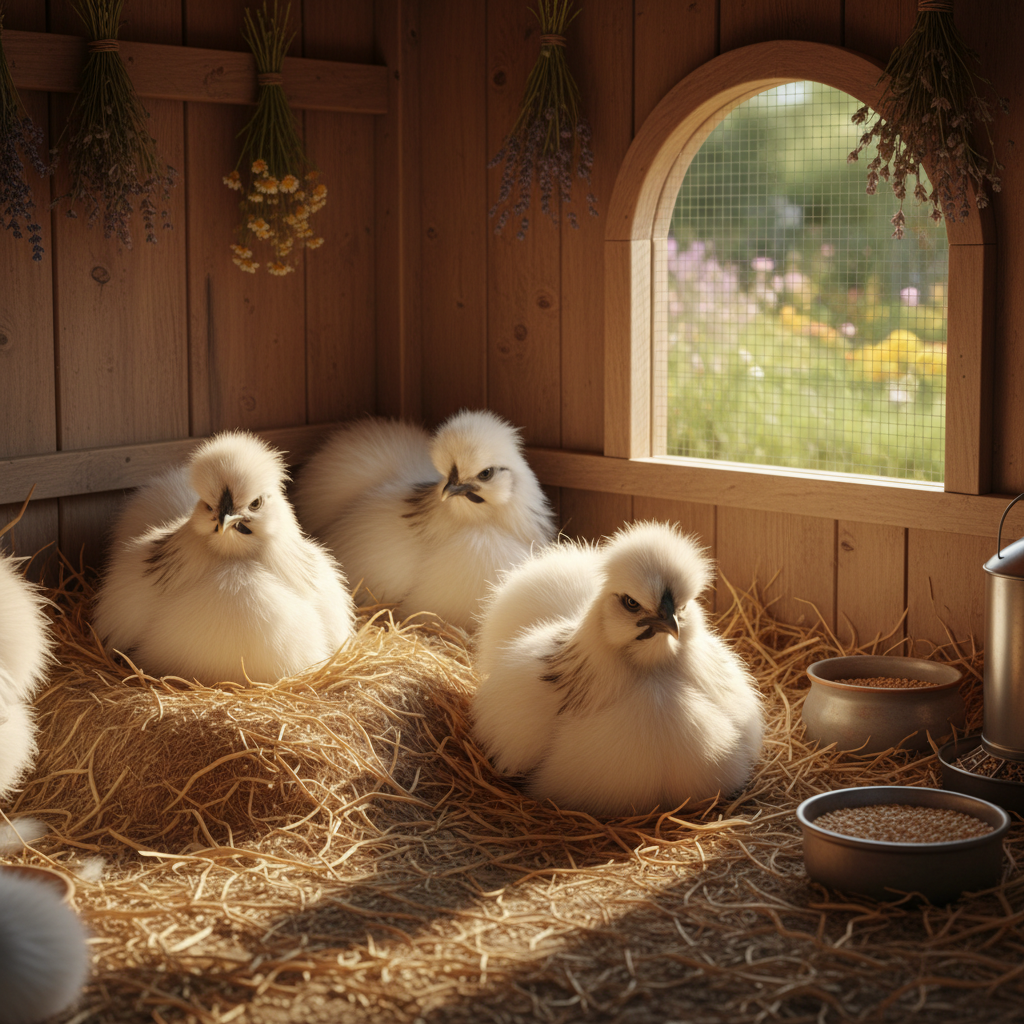
Given their special feathering and small size (2-3 pounds), Silkies need a cozy home.
Coop Size and Design
- Space: Each Silkie should have at least 3-4 square feet inside the coop. Outside, aim for 10 square feet per bird.
- Roosts and Nesting Boxes: Provide ground-level roosts and nesting boxes since Silkies can't fly well.
Ventilation
- Good ventilation prevents the buildup of moisture and ammonia, essential for a draft-free yet airy coop.
What Should You Feed Silkies?
Silkies, like all chickens, have specific nutritional needs at different life stages.
- Starter Feed: Begin with a high-quality starter feed like Purina Start & Grow.
- Layer Feed: Transition to a layer feed when they start laying (around 18 weeks old). Brands like Kalmbach offer good options.
- Supplements: Provide grit and oyster shell for digestion and calcium requirements.
Managing Common Health Issues in Silkies
Silkies are generally healthy, but they can be prone to certain conditions due to their unique traits.
- Mite and Lice Infestations: Regular inspections can help catch infestations early. Learn more about mites and lice.
- Respiratory Issues: Silkies need a well-ventilated coop to prevent respiratory diseases.
- Egg Binding: Keep an eye out for signs of egg binding in layers.
Frequently Asked Questions
Are Silkies good for beginners?
Absolutely. Their gentle temperament makes them a great choice for novice chicken keepers, though their feather care needs can be a bit higher.
How do Silkies handle cold weather?
Silkies can handle cold weather if kept dry and out of drafts. Consider adding extra insulation to their coop in Zone 5 and colder.
Can Silkie roosters be kept together?
Generally, it's better to keep only one rooster per flock unless you have ample space and hens to reduce competition.
Are Silkies noisy?
Silkies are relatively quiet compared to other breeds, making them ideal for urban homesteaders where noise might be an issue.
Do Silkies get along with other chicken breeds?
Yes, their friendly nature usually means they integrate well with other breeds like Buff Orpingtons or Wyandottes.
For more insights on integrating different breeds or tackling specific issues, check out our planner and breed guides.
Got questions or your own tips?
Jump into the community and swap notes with other backyard chicken keepers.
Discuss in the community →Comments
Sign in to join the conversation.