

Leghorn
By The Coop Team · Updated May 25, 2026
Quick answer
Leghorn chickens are known for their prolific egg-laying abilities, producing 280 to 320 white eggs per year. They thrive in various climates but are susceptible to frostbite in temperatures below 20°F. Active and curious, they require plenty of space and secure enclosures to thrive.
Key facts
- Egg production
- 280 to 320 eggs per year
- Weight
- 4 to 6 pounds
- Frostbite temperature threshold
- below 20°F
- Lifespan
- 4 to 6 years
Ever wonder why the Leghorn chicken is the go-to choice for commercial egg producers and backyard enthusiasts alike? Known for their prolific egg-laying abilities and energetic nature, these Mediterranean beauties might just be the perfect fit for your flock. Let's explore what makes Leghorns stand out and how you can successfully raise them in your backyard.
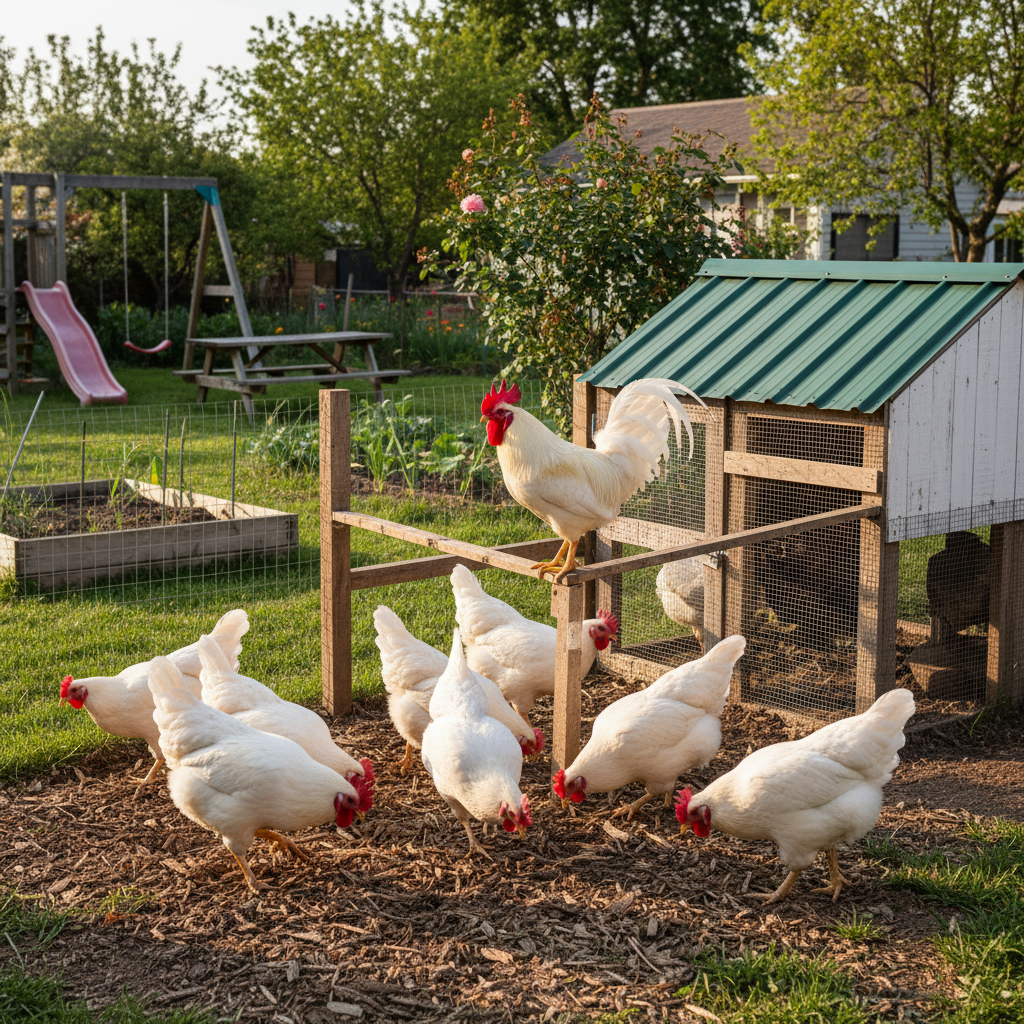
What Makes Leghorns Ideal for Egg Production?
Leghorns are lightweight and efficient egg producers, laying between 280 to 320 white eggs per year. With their slender 4-6 pound frame, these chickens have an impressive feed-to-egg conversion rate, making them a favorite in the commercial egg industry. Their ability to consistently produce large quantities of eggs while consuming less feed is one of the reasons they overshadow breeds like the Buff Orpington or Plymouth Rock.
How to Care for Leghorns in Different Climates
Leghorns are hardy birds that adapt well to various environments, but their large single combs make them susceptible to frostbite in temperatures below 20°F. Here's how you can mitigate that:
Protecting Combs in Cold Climates
- Petroleum Jelly: Apply it to their combs as a protective layer against frostbite.
- Choose Rose-Comb Varieties: These are better suited for colder climates and reduce the risk of frostbite.
For those living in warmer regions, ensure your coop provides ample ventilation to prevent heat stress.
How Active Are Leghorns?
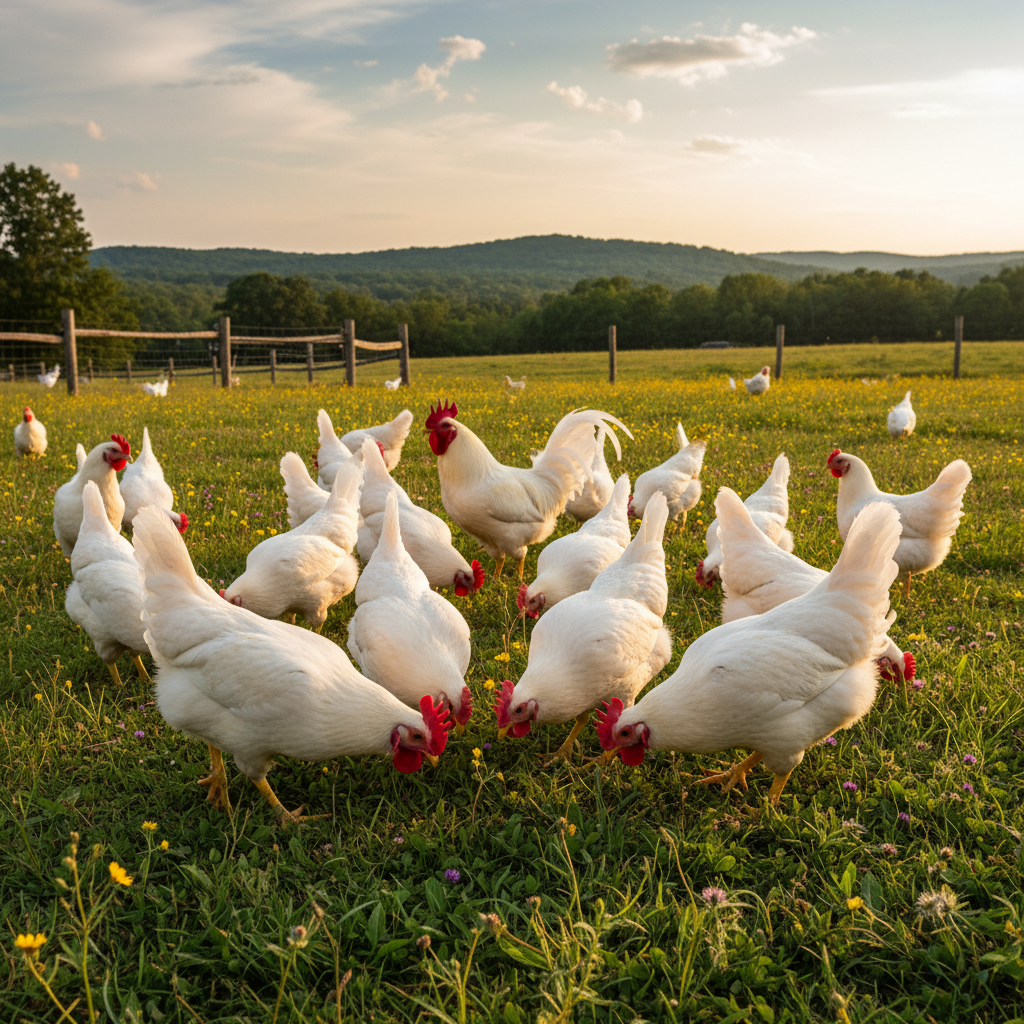
Leghorns aren't couch potatoes, that's for sure. These chickens are active and flighty, excellent foragers that thrive when allowed to free-range. Their energy and curiosity make them ideal for a pasture-based system, but it also means they require secure enclosures to prevent escape and protect from predators. For more tips on safeguarding your flock, check out our Predator-Proofing Basics.
Are Leghorns Right for Your Backyard Flock?
Before adding Leghorns to your flock, consider the following aspects:
- Personality: They can be flighty and less friendly than breeds like the Australorp, so they're better suited for experienced keepers.
- Space Requirements: Leghorns need less space than larger breeds due to their smaller size, but they still benefit from plenty of room to roam.
- Noise Level: Known to be a bit vocal, they might not be the best choice if you live close to neighbors.
How to Feed Leghorns for Optimal Egg Production
To keep your Leghorns laying efficiently, it's crucial to provide a balanced diet. High-quality layer feed like Purina's Layena or Kalmbach Feeds Layer is ideal. Supplements like grit and oyster shell are also important for their digestion and egg shell strength.
Additional Feeding Tips
- Free-Range Access: Allows them to forage for insects and greens, enhancing their diet.
- Treats and Scraps: Offer treats and kitchen scraps in moderation to ensure they maintain a balanced diet.
Common Health Issues in Leghorns
Like all chickens, Leghorns can be prone to certain health issues. Being prepared is key to a healthy flock.
- Respiratory Issues: Due to their active nature, they might be more exposed to dust. Keep the coop clean and well-ventilated to prevent respiratory diseases.
- Parasites: Regular checks for mites and lice are important, especially if they free-range.
- Egg Binding: Due to their prolific laying, be aware of egg binding, and ensure calcium levels are adequate.
For more detailed advice, the Merck Veterinary Manual is an excellent resource.
Frequently Asked Questions
What is the lifespan of a Leghorn chicken?
Leghorns typically live between 4-6 years, although some can live longer with excellent care.
Are Leghorns noisy?
Yes, Leghorns are known for being a bit more vocal than other breeds, which might be a consideration for urban environments.
Can Leghorns be kept with other breeds?
Yes, but ensure the other breeds can handle the active and sometimes dominant nature of Leghorns. Mixing them with calm breeds like the Silkie might require extra attention.
Do Leghorns go broody?
Rarely. Leghorns are not known for their broodiness, which is why they're preferred for egg production.
How do I introduce new Leghorns to my existing flock?
Introduce them slowly, allowing time for the birds to get used to each other through a barrier before mixing. This method helps reduce aggression and pecking order disputes.
To read more about potential health concerns, consult trusted resources like the Cornell Wildlife Health Lab. With the right care and environment, Leghorns can be a highly productive and rewarding addition to your backyard setup.
Got questions or your own tips?
Jump into the community and swap notes with other backyard chicken keepers.
Discuss in the community →Comments
Sign in to join the conversation.