
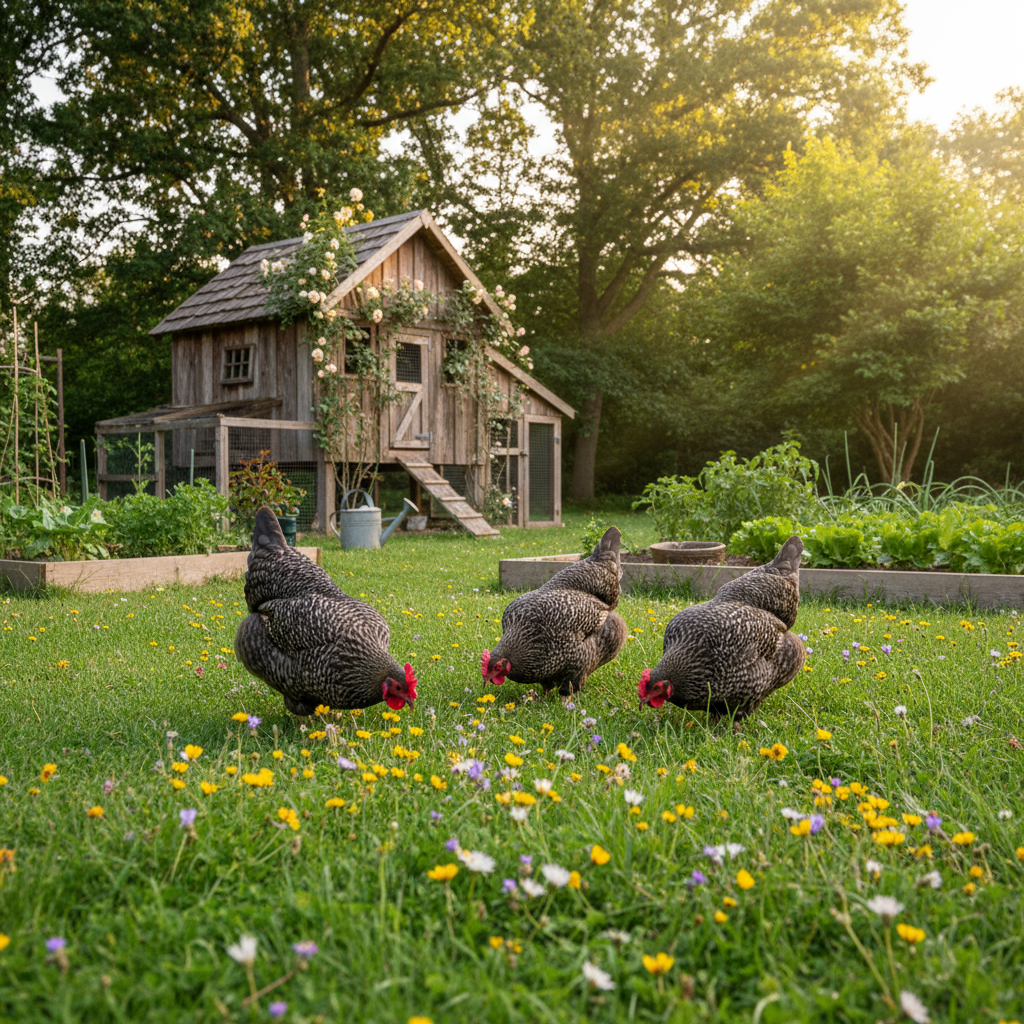
Plymouth Rock (Barred Rock)
By The Coop Team · Updated May 25, 2026
Quick answer
The Plymouth Rock, particularly the Barred variety, is a dual-purpose chicken breed well-known for its calm temperament, good laying capabilities, and cold hardiness. They can produce between 200 to 280 brown eggs annually and require at least 4 square feet of coop space per bird.
Key facts
- Egg Production
- 200 to 280 eggs per year
- Hen Weight
- 6.5 to 7.5 pounds
- Rooster Weight
- 7.5 to 9.5 pounds
- Temperature for Chicks
- 95°F to ambient temperature
- Coop Space Requirement
- 4 square feet per bird
If you're on the hunt for a reliable, dual-purpose breed that can weather cold climates and consistently lay eggs, you might just fall in love with the Plymouth Rock, especially the iconic Barred variety. Known for their calm temperament and excellent foraging abilities, these birds are a staple on many homesteads. Let's dive into what makes them such a cherished addition to the chicken coop.
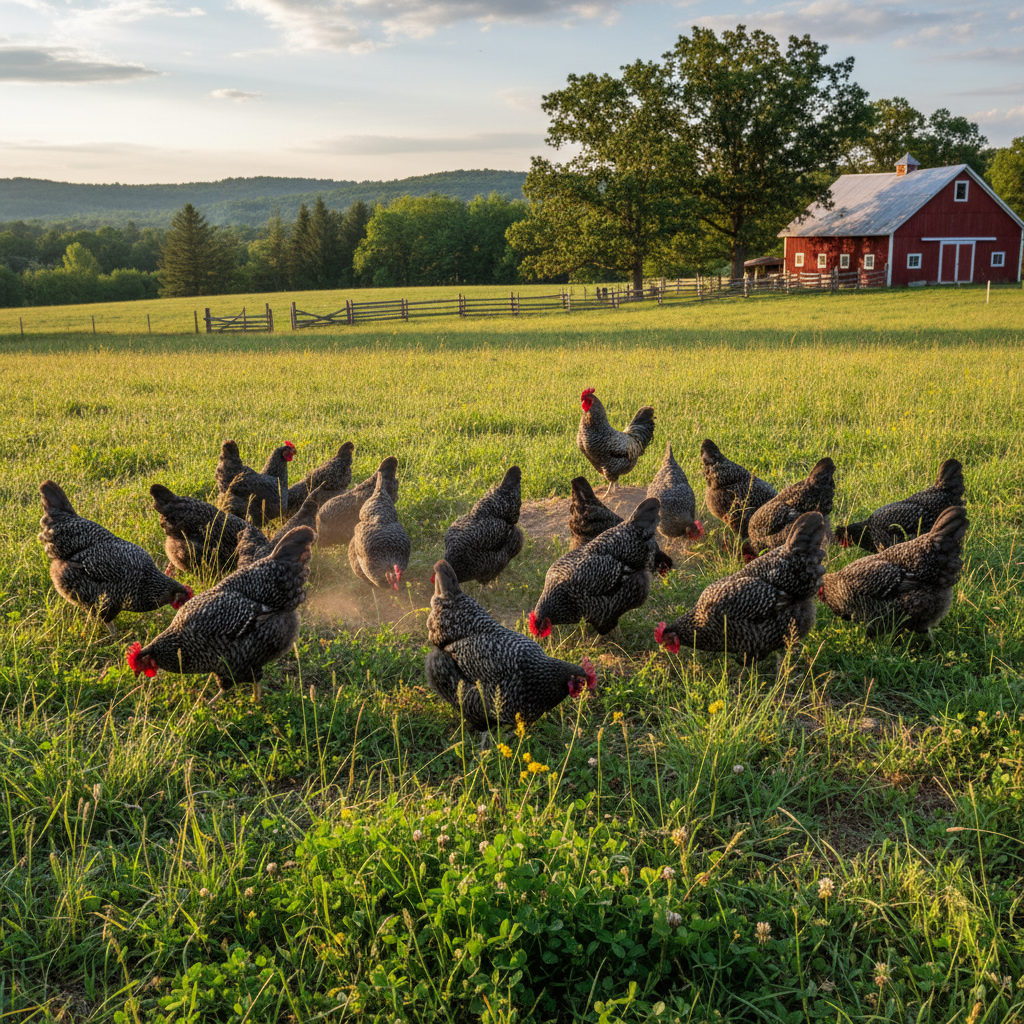
What Makes the Barred Rock Stand Out?
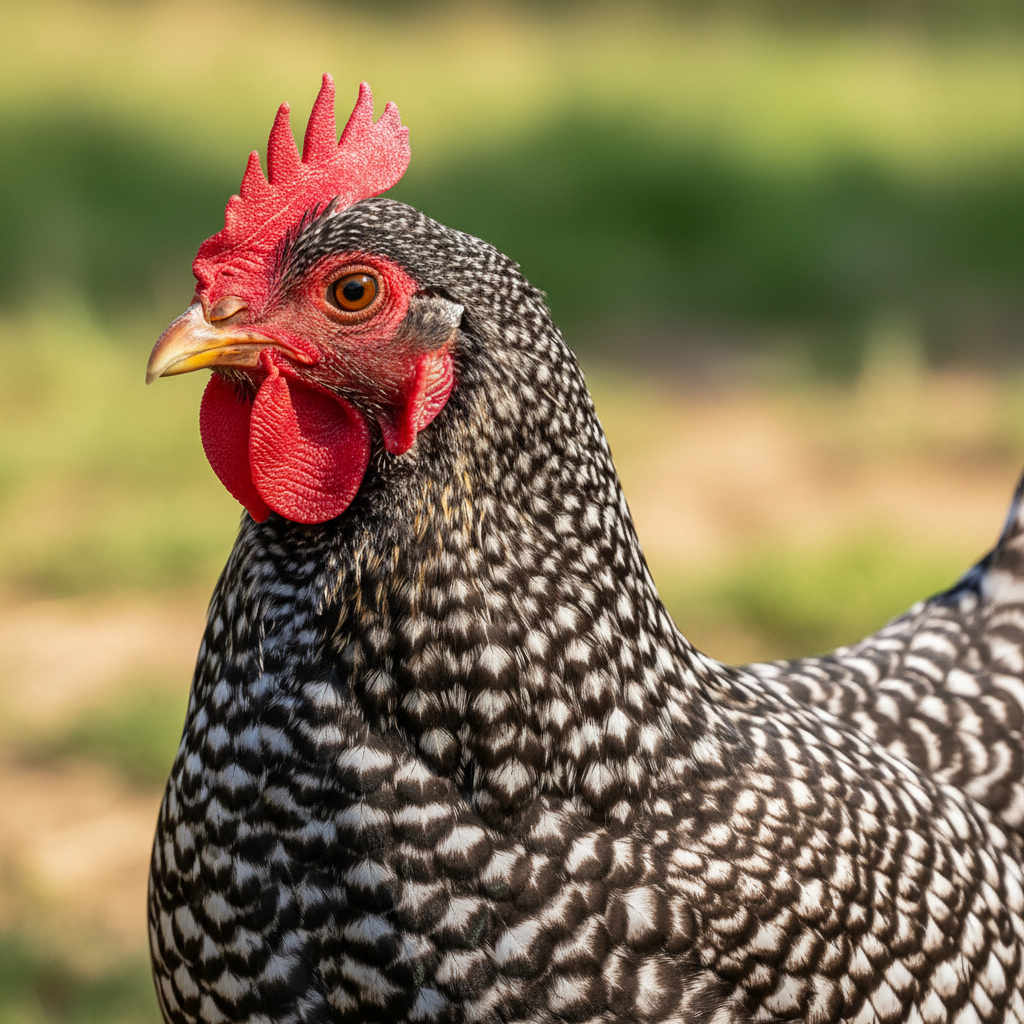
Originally developed in the United States in the early 19th century, the Plymouth Rock has become one of the most popular chicken breeds in the country. Their strikingly beautiful barred plumage, which features alternating black and white stripes, makes them easily recognizable.
- Egg Production: Hens are prolific layers, producing between 200 and 280 brown eggs each year. That's a lot of omelets!
- Size and Weight: Adult hens weigh around 6.5 to 7.5 pounds, while roosters can weigh in at about 7.5 to 9.5 pounds.
- Cold Hardiness: Thanks to their dense plumage and small single comb, Barred Rocks are well-suited to cold climates, making them a great choice for northern homesteaders.
How to Care for Your Plymouth Rocks
Caring for Plymouth Rocks is relatively straightforward, but there are a few things to keep in mind to ensure they thrive.
Feeding
Providing a balanced diet is crucial. Consider a quality feed like Purina's Layena for laying hens, which ensures they get the necessary nutrients to maintain egg production. You can also explore grit and oyster shell supplements to aid in digestion and calcium intake, crucial for strong eggshells.
Housing
Proper housing is vital for their well-being. Ensure that each bird has at least 4 square feet of space inside the coop and a minimum of 10 square feet in their run. For more on optimal housing, check out our guide on coop size per bird. Barred Rocks enjoy roosting, so provide sturdy perches inside the coop to accommodate their size.
Health Management
Barred Rocks are generally healthy, but like all chickens, they can be susceptible to diseases like Marek's Disease and respiratory issues. Regular vet check-ups and maintaining a clean coop can minimize risks.
Breeding and Raising Barred Rocks
If you're considering breeding Barred Rocks, there are a few things to keep in mind. These birds are known for being good mothers, and their calm demeanor makes them less likely to be aggressive during brooding.
- Incubation: Barred Rock eggs take about 21 days to hatch. Consider using a reliable incubator, or let a broody hen do the work.
- Chick Care: Once hatched, chicks require a brooder with a consistent temperature, gradually reducing from 95°F to ambient temperature over several weeks.
How Do Plymouth Rocks Compare to Other Breeds?
When selecting a breed, it's helpful to compare characteristics with other popular breeds.
- Australorps are similar in their dual-purpose nature and egg-laying capabilities, often laying more than 300 eggs yearly. Learn more about Australorps.
- Easter Eggers offer a rainbow of egg colors but may not match the Plymouth Rock's egg production. Explore Easter Eggers.
- The Leghorn might be a better fit if egg production is your priority. They're egg-laying machines, but not as cold hardy. Discover the Leghorn.
Common Challenges with Barred Rocks
While Barred Rocks are relatively low-maintenance, there can be challenges:
- Predation: These birds are great foragers, which means they're often out and about, potentially making them targets for predators. Check out our guide on predator-proofing basics to keep them safe.
- Slow Maturity: They are known to mature slower than some other breeds, which might be a consideration if you're eager to start collecting eggs.
Frequently Asked Questions
What is the lifespan of a Plymouth Rock chicken?
Plymouth Rocks can live for 6 to 8 years on average, with the peak laying period lasting about 4 to 5 years.
How can I tell a Barred Rock hen from a rooster?
Roosters tend to be larger with more pronounced barring (thicker white stripes) and have larger combs and wattles. They also generally have more upright tail feathers.
Are Plymouth Rocks good with children?
Yes, they have a calm temperament, making them great for families with kids. They tolerate handling well, which is ideal for young chicken keepers.
Do Barred Rocks require special winter care?
While they are cold-hardy, ensure your coop is well-ventilated to prevent moisture build-up and frostbite. You might want to insulate the coop slightly or use a safe heat source in extreme climates.
Can Plymouth Rocks be integrated with other breeds?
Absolutely. They are generally docile and mix well with other breeds like the Wyandotte and Buff Orpington.
For more on chicken keeping, check back often for new guides and resources. Happy homesteading!
Got questions or your own tips?
Jump into the community and swap notes with other backyard chicken keepers.
Discuss in the community →Comments
Sign in to join the conversation.