
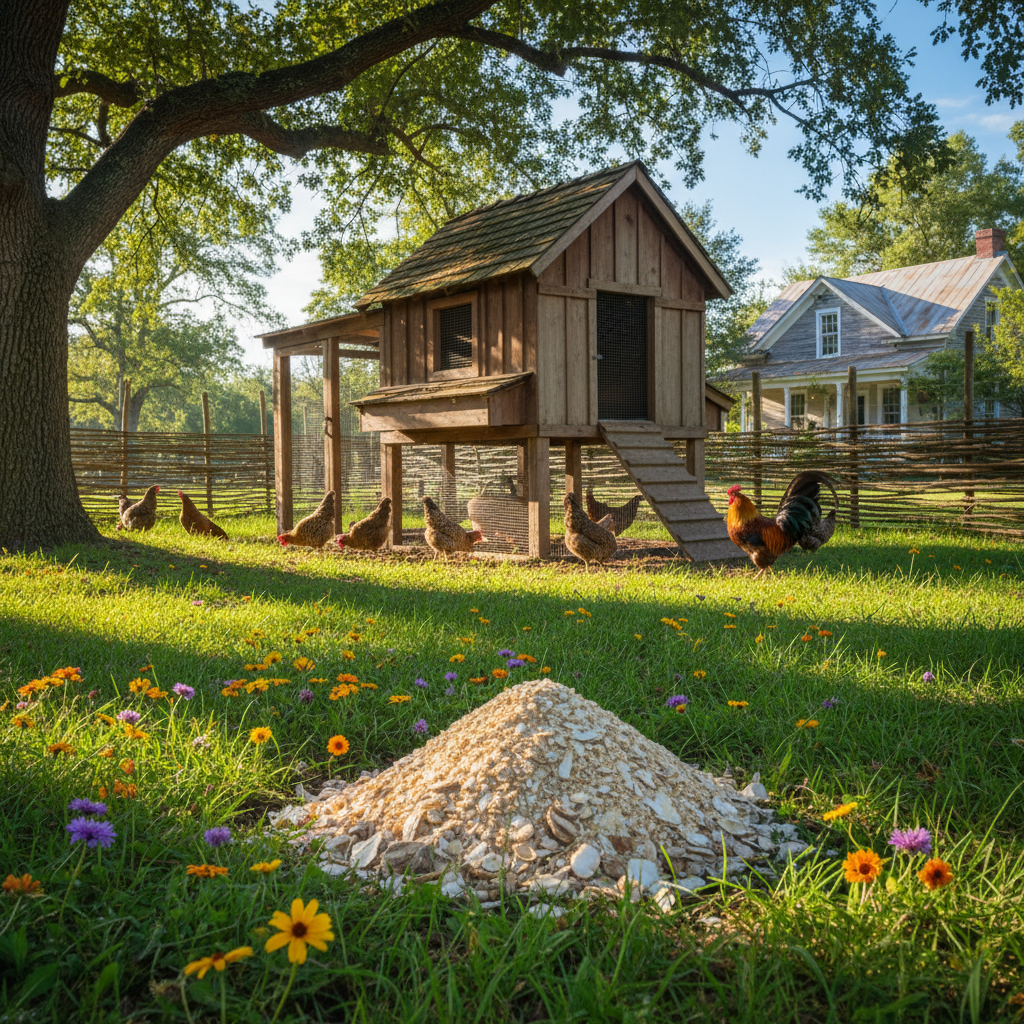
Grit and Oyster Shell
By The Coop Team · Updated May 25, 2026
Quick answer
Grit and oyster shell are essential for chickens, aiding digestion and providing calcium for strong eggshells. Chickens need insoluble grit like granite for grinding food and soluble oyster shell for calcium. Offer one small dish of oyster shell in the coop, ensuring it stays dry and clean for optimal intake.
Key facts
- Types of Grit
- 2 types
- Dish per Coop Section
- 1 small dish
- Grit Size Consideration
- Age and breed appropriate
- Chicks and Grit
- No grit needed initially
While chickens might seem like simple creatures, the care they require is anything but basic. Enter grit and oyster shell, two unsung heroes of the chicken world. These minerals are key players in keeping your flock healthy and their eggs strong. I've been keeping chickens for years, and understanding the role of grit and oyster shell changed everything for me.
What is Grit and Why Do Chickens Need It?
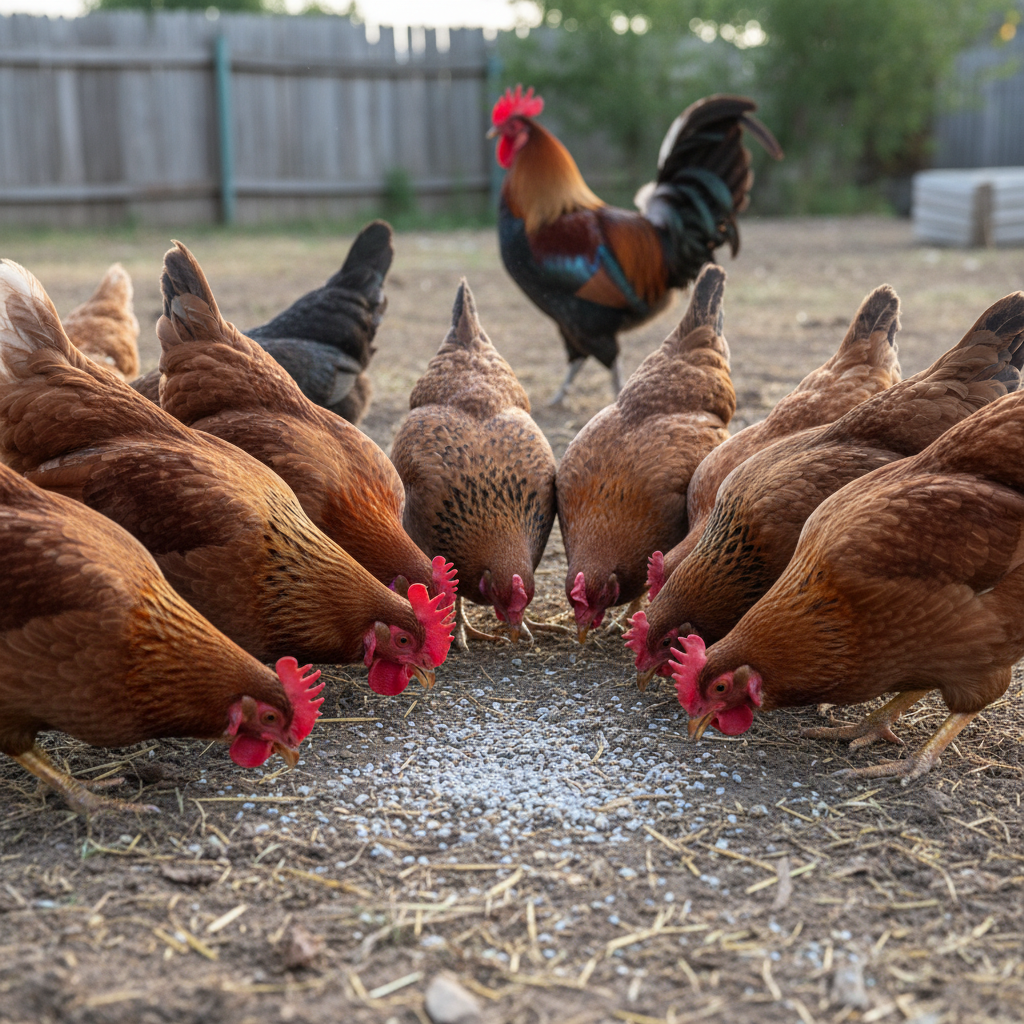
Chickens don’t have teeth and rely on grit to help grind their food. Grit is essentially tiny rocks that chickens ingest to aid digestion. As the stones move to the gizzard, they help mash up food, facilitating nutrient absorption. Free-ranging chickens often find grit naturally, but those in the coop need a bit of help.
Types of Grit
Chickens need two types of grit:
- Insoluble Grit: Composed of granite or flint stones, these stones stay in the gizzard and help grind up food.
- Soluble Grit: Made from oyster shells, this grit dissolves to provide calcium.
Commercial grit options from brands like Manna Pro and Purina are widely available. Look for grit sized appropriately for your flock's age and breed.
How to Offer Grit to Your Flock
Offering grit is straightforward. You can scatter it on the ground or place it in a shallow dish. Chickens will pick up grit as needed, so you don’t have to worry about them overeating.
Best Practices
- Use a small dish like a pie tin.
- Keep the dish separate from their main feed.
- Refresh the grit periodically to keep it clean and dry.
Why Oyster Shell is Essential for Laying Hens
Oyster shell is all about calcium. This is crucial for laying hens to produce strong eggshells. Without adequate calcium, eggs can have thin, weak shells that break easily, affecting the hen's health and laying consistency.
How to Offer Oyster Shell
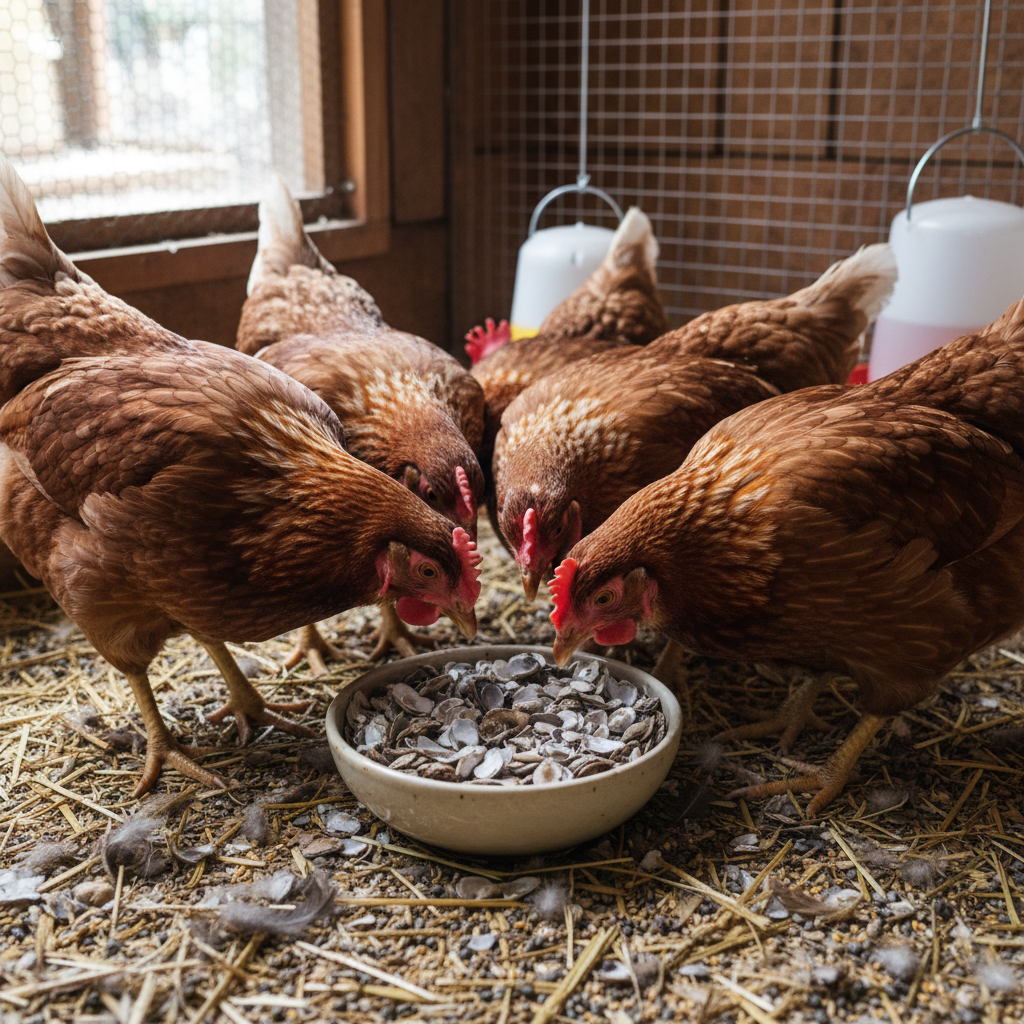
Oyster shell should be offered free-choice in a separate dish. Mixing it with regular feed isn't recommended, as non-laying chickens don't need the extra calcium.
Can You Use Alternatives to Oyster Shell?
For those looking to minimize waste, ground eggshells can substitute oyster shell. Simply bake the shells to eliminate bacteria, then crush them. Be mindful, though, too much can upset the calcium-phosphorus balance in their diet.
Tips for Ensuring Proper Grit and Oyster Shell Intake
- Observe Behavior: Chickens pecking at odd objects might need more grit.
- Climate Considerations: Grit availability can vary by region. In areas like USDA zones 5 and 6, extra grit might be necessary due to wetter conditions.
- Space Requirements: Ensure adequate space for dishes. Consult our coop size per bird guide for more guidance.
Frequently Asked Questions
What Happens If Chickens Don't Get Enough Grit?
Without sufficient grit, chickens can suffer digestive problems, leading to blockages or nutrient absorption issues. Their gizzard can't grind food effectively, impacting their health.
Can Young Chicks Have Grit?
Chicks on starter crumble don’t need grit. When you introduce other foods, offer chick-sized grit. Check our feed by life stage guide for specifics.
How Much Oyster Shell Should I Offer?
One small dish per section of the coop usually suffices. Laying hens will eat what they need. Breeds like Australorp or Leghorn may require different amounts.
Can Grit or Oyster Shell Go Bad?
They don't spoil but can become less palatable if damp. Keep them dry to prevent clumping or mold.
Is Grit Necessary for Chickens on a Pellet Diet?
Yes, even with a pellet diet, grit is beneficial. It aids in breaking down treats or scraps. Discover more about treats and kitchen scraps for your flock.
Got questions or your own tips?
Jump into the community and swap notes with other backyard chicken keepers.
Discuss in the community →Comments
Sign in to join the conversation.