
Coop Size Per Bird
By The Coop Team · Updated June 1, 2026
Quick answer
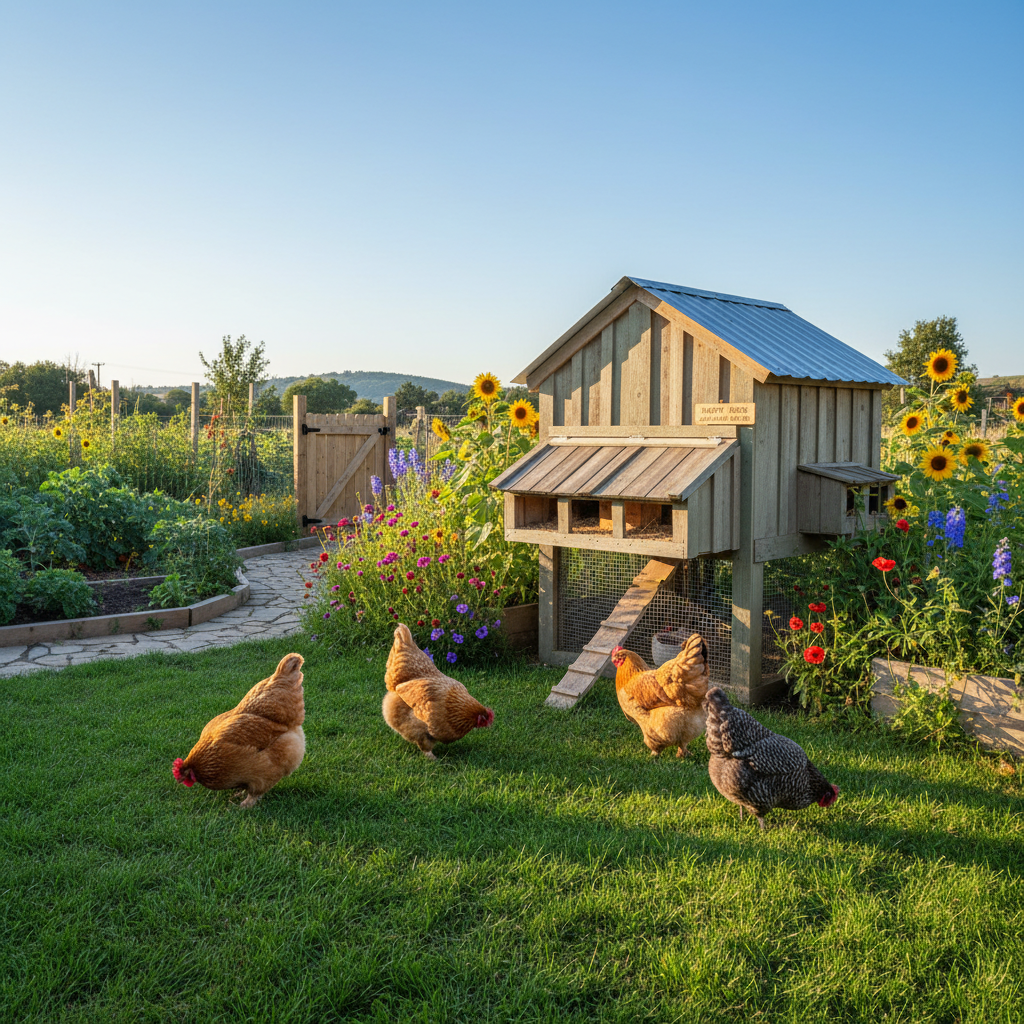
For a backyard chicken coop, provide 3 to 4 square feet of floor space per standard hen with access to a run. For bantams, 1.5 to 2 square feet is sufficient. If confined indoors, allocate 5 to 10 square feet per bird to ensure their well-being and reduce stress.
Key facts
- Coop space for standard hens
- 3-4 sq ft
- Coop space for bantam hens
- 1.5-2 sq ft
- Run space per hen
- 8-10 sq ft
- Roosting space per hen
- 8-12 in
- Nest box size
- 12x12x12 in
When you're planning to set up a backyard chicken coop, determining the right amount of space for each bird is one of the most critical decisions you'll make. Not giving your flock enough room can lead to all sorts of problems like pecking, stress, and disease. Let's dig into some guidelines to help you design a comfortable, safe home for your chickens.
How Much Coop Space Does Each Chicken Need?
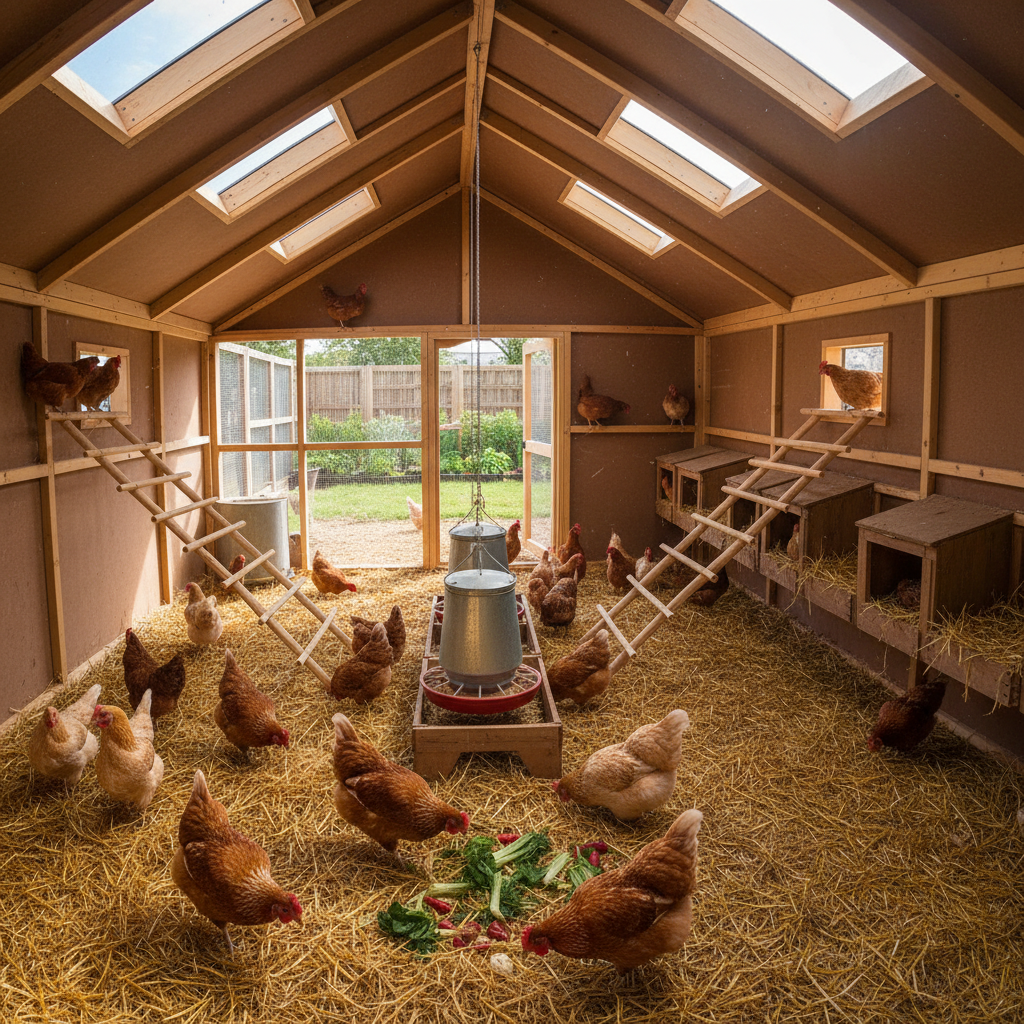
The standard rule of thumb is to provide 3-4 square feet of coop floor space per standard-size hen if they also have access to a run. For bantam breeds, which are smaller, you can often get away with providing about half the space, so 1.5-2 square feet per bird. If your flock lacks access to a run and is confined indoors, aim for 5-10 square feet per bird to avoid overcrowding.
Providing adequate space not only helps with the physical health of your birds but also reduces aggressive behaviors like pecking. Chickens need room to move around, stretch their wings, and exhibit natural behaviors like dust bathing.
Why Is Run Space Important?
Chickens love to roam around, peck, and scratch. Having a spacious outdoor run allows them to do just that, which is crucial for their mental and physical well-being. Plan for 8-10 square feet of run space per hen. The more room they have, the happier and healthier they'll be.
Designing the Run
- Fencing: Use a sturdy material like hardware cloth to prevent predators from getting in. Make sure the fence is at least 6 feet high to deter jumping and flying over.
- Shade and Shelter: Ensure part of the run is always shaded to protect your birds from overheating.
- Predator Protection: Consider having an apron of fencing buried 12 inches underground to prevent digging predators. Check out our guide on predator-proofing basics for more tips.
Ensuring Adequate Roosting Space
Chickens love to roost high off the ground to feel safe while they sleep. Provide 8-12 inches of roost length per hen. Remember, the roosts should be higher than the nesting boxes to discourage sleeping in the boxes.
Roosting Bars
- Materials: Use rounded 2x4 lumber, with the 4-inch side facing up, so chickens can sit comfortably.
- Height: Place roosts 2-4 feet off the ground, with a stepping platform for gradual access if needed.
For more details about roosts and nest boxes, check our comprehensive guide on Roosts and Nest Boxes.
Selecting the Right Nest Box Size
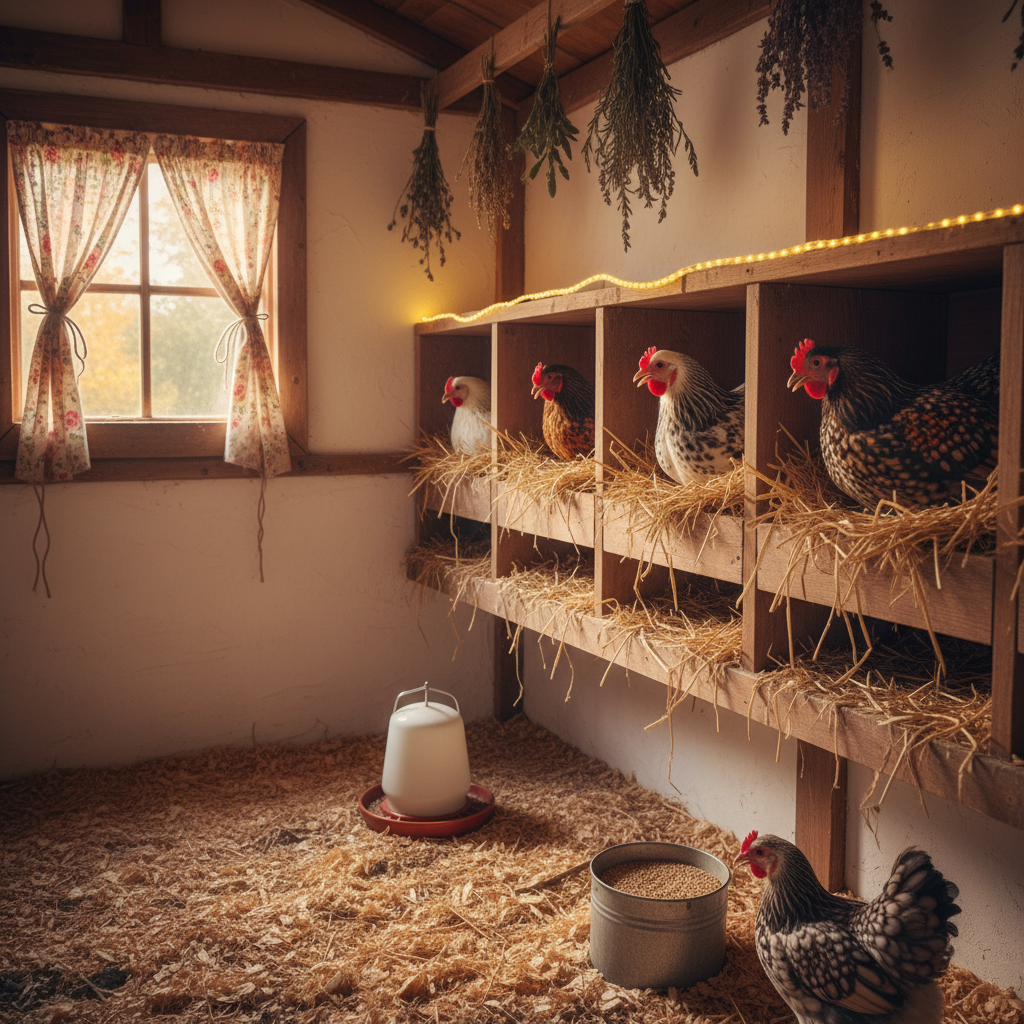
A general recommendation is to have one nest box for every 3-4 hens. Each box should be about 12x12x12 inches to accommodate most standard breeds comfortably. Ensure privacy by providing curtains, and keep boxes at least 18 inches off the ground.
Popular Coop Footprints to Consider
Choosing the right size for your coop often involves standard building material sizes to minimize waste and costs. Common footprints include:
- 3x4, 4x4, 4x6, 4x8: Ideal for small flocks or limited spaces.
- 5x6, 5x8, 6x8: Good for medium-sized flocks, allowing for more nesting and roosting options.
- 8x8, 6x10, 8x10, 7x10, 8x12: Suitable for larger flocks or if you're planning to expand.
- 10x12, 10x16: Offer plenty of space for chickens to roam inside during bad weather.
These dimensions are based on standard lumber sizes, which can streamline the building process. For those on a budget, consider Pallet Chicken Coop Plans.
Frequently Asked Questions
What Happens If My Coop Is Too Small?
A too-small coop can lead to pecking, bullying, and an increase in disease and stress. Crowded conditions often result in wet and dirty environments that can foster disease. For more on chicken health, see Highly Pathogenic Avian Influenza (HPAI / Bird Flu).
Can I Use My Coop Year-Round?
Yes, but you'll need to ensure it's well-ventilated and insulated for extreme weather. Check out our tips on Ventilation for year-round comfort.
How Can I Keep the Coop Clean with Limited Space?
Regular cleaning is key. Use deep litter methods for easy maintenance, and ensure good drainage in the run.
Do Different Breeds Need Different Space?
Yes, some breeds like Australorps or Brahmas are larger and may require more space, while bantam breeds need less. Research the specific needs of your chosen breed.
What's a Good Coop Material?
Utilize exterior-grade plywood or treated lumber for durability. Avoid using materials that can rot quickly or are harmful if pecked.
Final Thoughts from the Coop
When designing your chicken coop, always remember that a bit more space is better than too little. Your flock will be healthier and happier with room to move and explore. Whether you're building a cozy nook for a few hens or a spacious barn for dozens, taking the time to properly plan your space will pay off in eggs and content clucks.
Got questions or your own tips?
Jump into the community and swap notes with other backyard chicken keepers.
Discuss in the community →Comments
Sign in to join the conversation.