
Roosts and Nest Boxes
By The Coop Team · Updated June 1, 2026
Quick answer
To keep your chickens happy, provide roosts made from 2x4 lumber, placed 18 inches above the floor, and nest boxes that are 12x12x12 inches in size. Ensure one nest box per 3-4 hens to reduce competition and stress, enhancing their laying and health.
Key facts
- Roost height
- 18 inches
- Nest box dimensions
- 12x12x12 inches
- Nest boxes per hens
- 1 per 3-4 hens
- Bedding depth
- 4 inches
- Roost space
- 12 inches per bird
Keeping hens happy and healthy starts with a well-designed coop, and that means setting up their roosts and nest boxes just right. These are critical spaces where your chickens roost at night and lay their precious eggs, so getting the details right can make a world of difference in your flock's health and productivity.
What Are the Best Materials for Roosts?
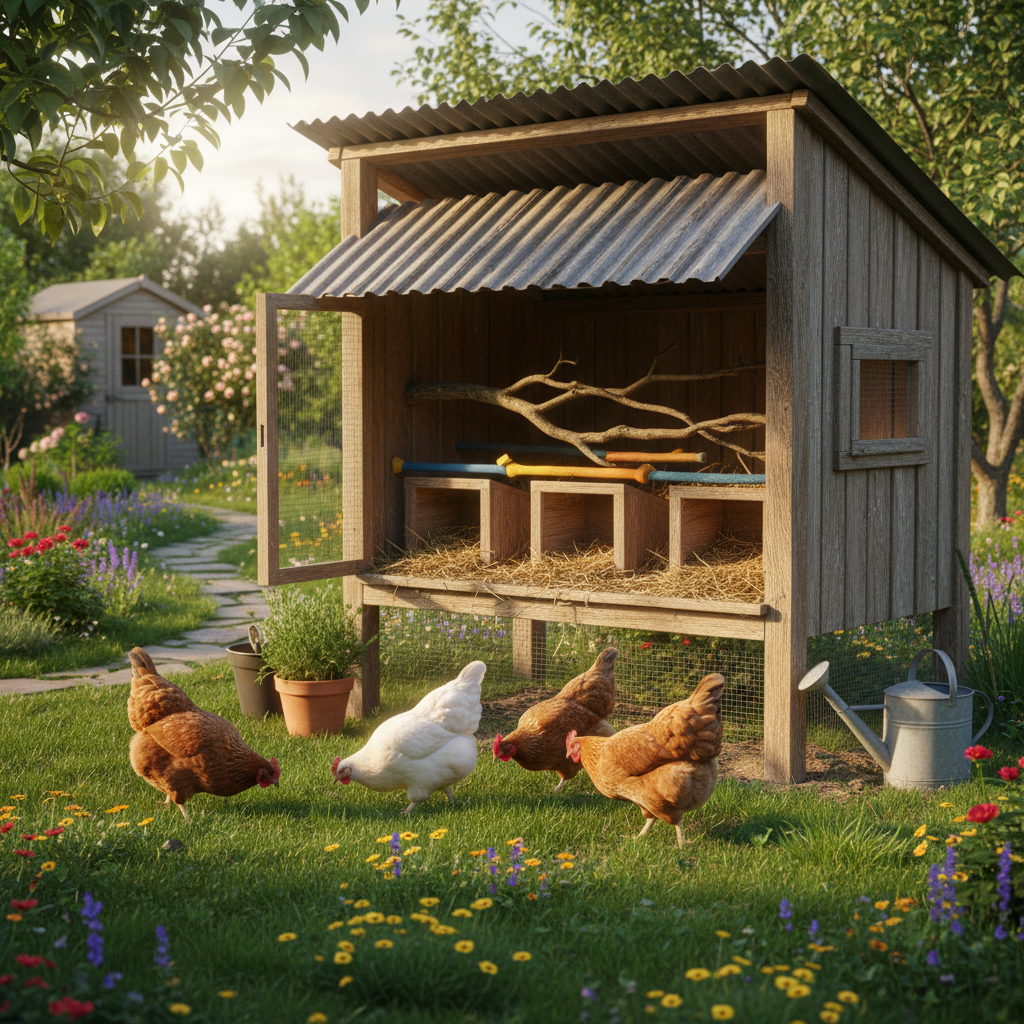
Roosts are where your chickens will spend their nights, and the right materials can mean the difference between a restful sleep and a night of discomfort. I recommend using 2x4 lumber, placing it wide-side up. This way, your chickens can comfortably sit on their feet, covering their toes in the chilly winter months , a little trick to help prevent frostbite. The standard recommendation is to provide about 12 inches of roosting bar per bird. This gives each hen enough space to perch without crowding, helping to reduce stress and pecking order disputes.
Roost Height and Placement
Position your roosts at least 18 inches above the coop floor. This height allows chickens to feel secure and helps prevent any ground-dwelling predators from easily reaching them. Importantly, ensure that your roosts are at least 12 inches higher than the nest boxes (otherwise, these clever birds will roost in the boxes and soil their eggs).
Designing Nest Boxes That Work
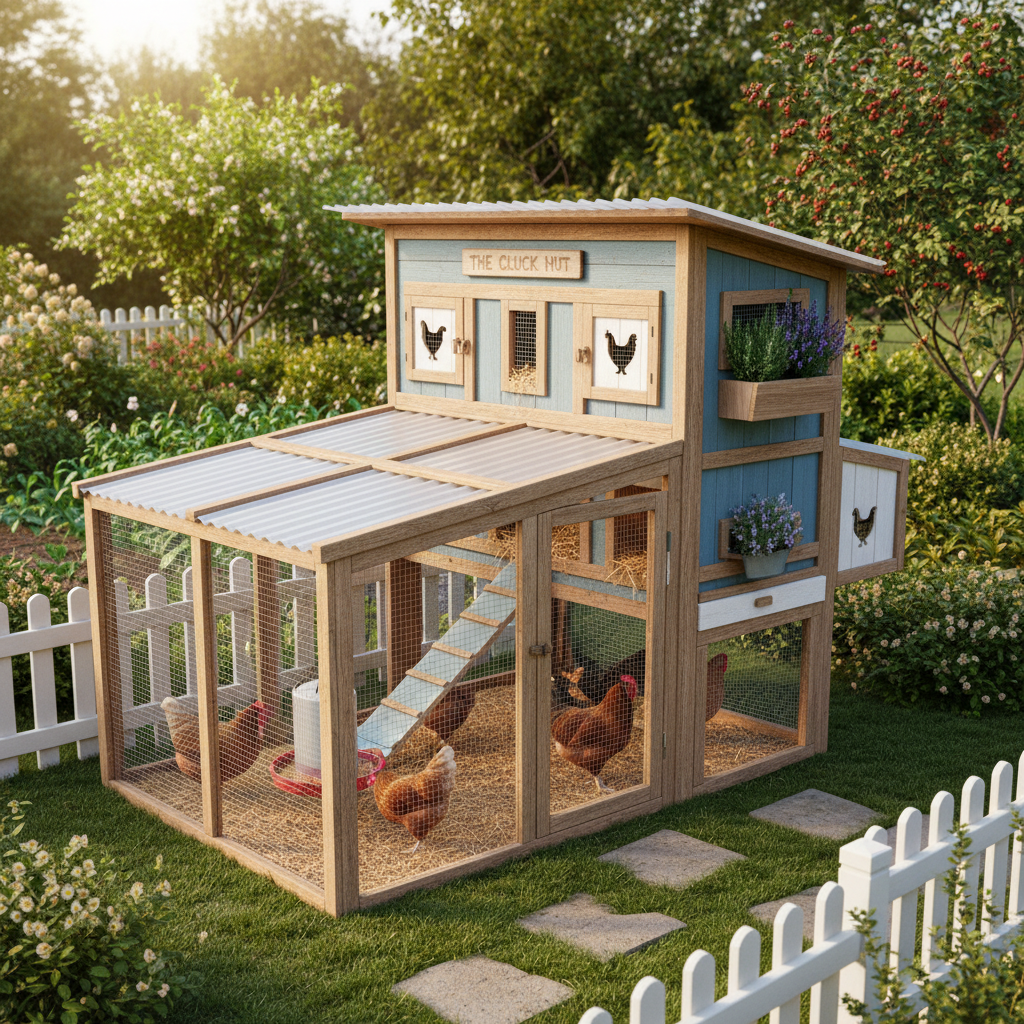
Nest boxes are where the magic happens , egg-laying. The classic dimensions for nest boxes are 12x12x12 inches, which comfortably accommodates most breeds. Position them low along a wall and keep the lighting dim. This imitates the natural, secluded spots hens would choose in the wild.
Nest Box Materials and Setup
Use solid, easy-to-clean materials like plywood. The interior bedding should be about 4 inches deep. Straw, hay, or pine shavings work well to cushion the eggs and keep them clean. Aim for one nest box per 3-4 hens to prevent competition and overcrowding.
Why Height Matters for Both
The hierarchy of your coop setup is vital. Chickens will always choose the highest point to sleep, so if your nest boxes are higher than the roosts, you'll end up with dirty eggs. Keeping roosts higher not only keeps your eggs clean but also encourages hens to sleep in the correct place.
Common Roosting Issues and Solutions
Chickens are simple creatures, but their roosting habits can sometimes create problems. From disputes over space to reluctance to use the roosts, here's what you might encounter:
- Overcrowding the Roosts: Make sure there's enough space. If your birds are squeezed, consider installing another roosting bar.
- Roost Avoidance: If hens don't use the roost, check for drafts or discomforts like splinters. Sanding the surface smooth can encourage use.
- Nest Box Roosting: As mentioned, if this occurs, adjust the height difference or improve the comfort of the roosts.
Adding Comfort: Using Roost Covers
In colder climates or if you're raising breeds with less dense feathering like Leghorns, you might consider adding roost covers. These can be made from old towels or commercial products and provide extra insulation for those cold nights.
Frequently Asked Questions
How high should roosts be for larger breeds?
For larger breeds like Brahmas, you might want to keep roosts closer to 18 inches to 24 inches off the ground. They can be heavier and less agile, so a lower roost height helps prevent injury.
Can I use metal rods or pipes for roosts?
While metal might seem like a durable option, it can be too cold for chickens in winter months. Wood, like 2x4s, remains the best option.
How often should I clean the nest boxes?
Cleaning frequency depends on the number of hens and the bedding you use, but a good rule of thumb is to refresh the bedding weekly and deep clean the boxes monthly.
Should I add curtains to the nest boxes?
Curtains can help hens feel more secure and encourage laying, but be sure they're easy to remove and wash, as they can become dirty over time.
What if my hens refuse to use the nest boxes?
Ensure the boxes are accessible, comfortable, and clean. Sometimes placing a few dummy eggs in the boxes can encourage hens to use them.
Final Thoughts from the Coop
Designing your coop with the right roosts and nest boxes creates a cleaner, more comfortable environment for your flock. Investing time and effort here can lead to happier hens and more eggs in your basket. As you plan, consider the needs of specific breeds, like the gentle Australorp or popular Buff Orpington, and remember that keeping your chickens' comfort in mind will always pay off. For more guidance on building and optimizing your chicken coop, check out Finding Free Chicken Coop Blueprints for Your Backyard Flock.
Don't forget to research USDA APHIS guidance on coop health and safety practices to keep your flock thriving throughout the seasons.
Got questions or your own tips?
Jump into the community and swap notes with other backyard chicken keepers.
Discuss in the community →Comments
Sign in to join the conversation.