
Australorp
By The Coop Team · Updated May 25, 2026
Quick answer
Australorps are a top backyard chicken breed known for their exceptional egg-laying ability, producing 250 to 300 light brown eggs annually. They thrive in various climates, being cold-hardy and adaptable to heat with proper shading and hydration.
Key facts
- Egg Production
- 250 to 300 eggs per year
- World Record
- 364 eggs in 365 days
- Weight
- 6 to 8 pounds
- Light Requirements
- 14 hours of light per day
If you're on the hunt for a backyard chicken breed that's both a stellar egg layer and easy to manage, Australorps might just be your perfect match. Known for holding the world egg-laying record, these birds are not only productive but also charming with their glossy black plumage. Let's dig into what makes Australorps a standout breed.
What Makes the Australorp a Top Egg Layer?
Australorps are legendary for their egg-laying prowess. The breed's claim to fame is an incredible feat by a hen that laid 364 eggs in 365 days. While you might not see this every day in your backyard, you can expect between 250 and 300 light brown eggs per year from a typical Australorp hen. This consistent production puts them in the upper echelon of egg-laying breeds, alongside Leghorns and Rhode Island Reds.
Egg Production Tips
- Lighting: Australorps benefit from about 14 hours of light per day to maintain peak laying. Consider supplemental lighting during shorter winter days.
- Diet: Provide a balanced layer feed, like those from Purina or Kalmbach, ensuring at least 16% protein.
- Stress Reduction: Keep a low-stress environment. Avoid overcrowding and provide plenty of nest boxes.
How to Keep Australorps Healthy and Happy
The Australorp's docile nature makes them easy to handle, which is fantastic if you're introducing children to chicken keeping. Their calm demeanor also means they're less likely to peck at each other, reducing stress and injuries.
Managing Health
Though generally robust, Australorps, like any chickens, need vigilant health monitoring. Regular checks for mites and lice are essential. Also, be aware of Marek's Disease and egg-binding, ensuring you spot early warning signs.
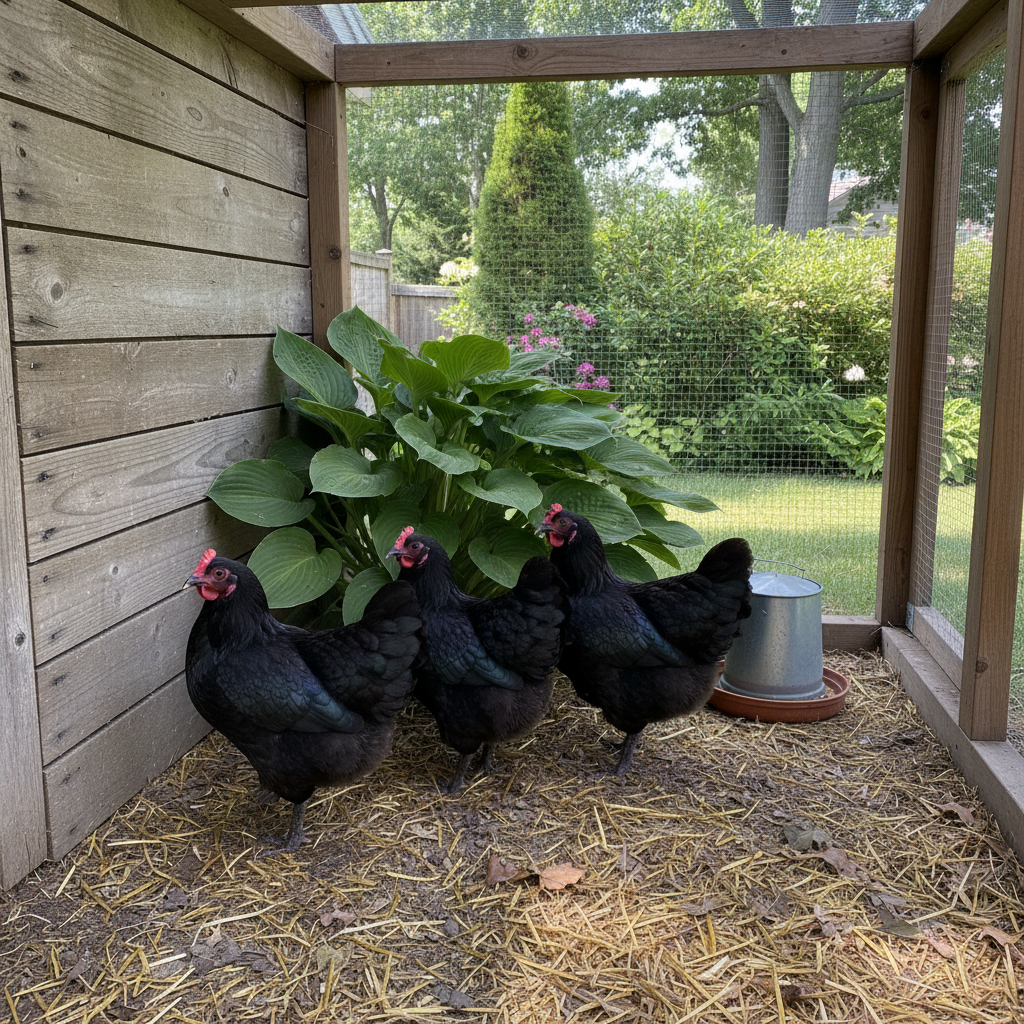
- Temperature Tolerance: Though cold-hardy, watch for heat stress in hot climates. Their dark feathers can absorb heat, so ensure plenty of shade and fresh water.
- Space: Follow the coop size guidelines to prevent overcrowding.
Are Australorps Suitable for Cold Climates?
Yes, Australorps have a reputation for tolerating cold weather well. Their dense plumage and larger size (hens weigh 6-8 pounds) help them withstand lower temperatures. In areas like USDA zone 5, where winters can be harsh, they hold up better than lighter breeds.
Winter Care Tips
- Insulation: Make sure your coop is well-insulated but still well-ventilated to prevent moisture buildup.
- Feeding: Offer a bit more food during very cold periods; they burn more calories to stay warm.
How Do Australorps Handle Hot Weather?
While they thrive in cold, Australorps can struggle in extreme heat. Their black feathers absorb the sun's rays, so it's crucial to provide ample shade and ventilation in warmer climates like USDA zones 8-10.
Keeping Cool
- Shade: Use tarps or plant fast-growing trees for shade.
- Hydration: Ensure they always have access to fresh, cool water.
- Coop Ventilation: Invest in good ventilation for your coop to dispel heat.
What Are the Characteristics of Australorps?
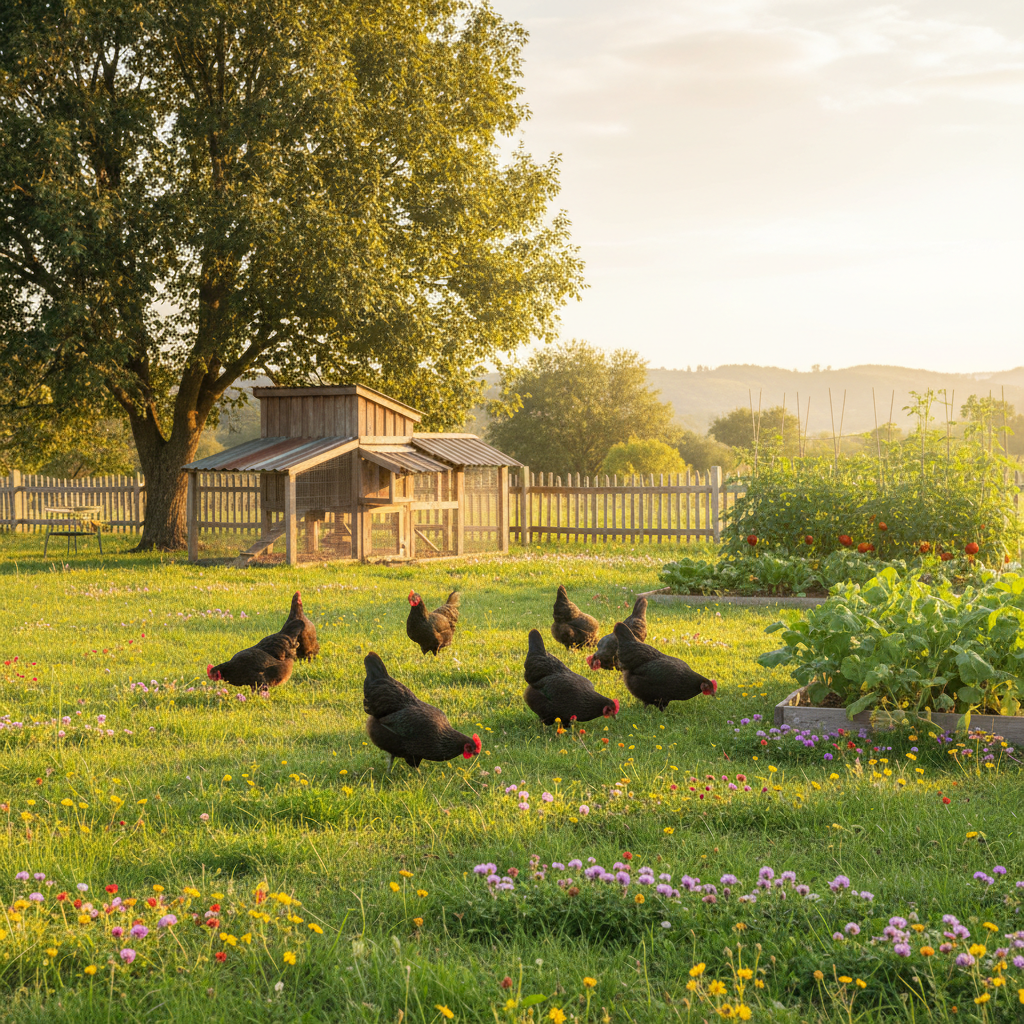
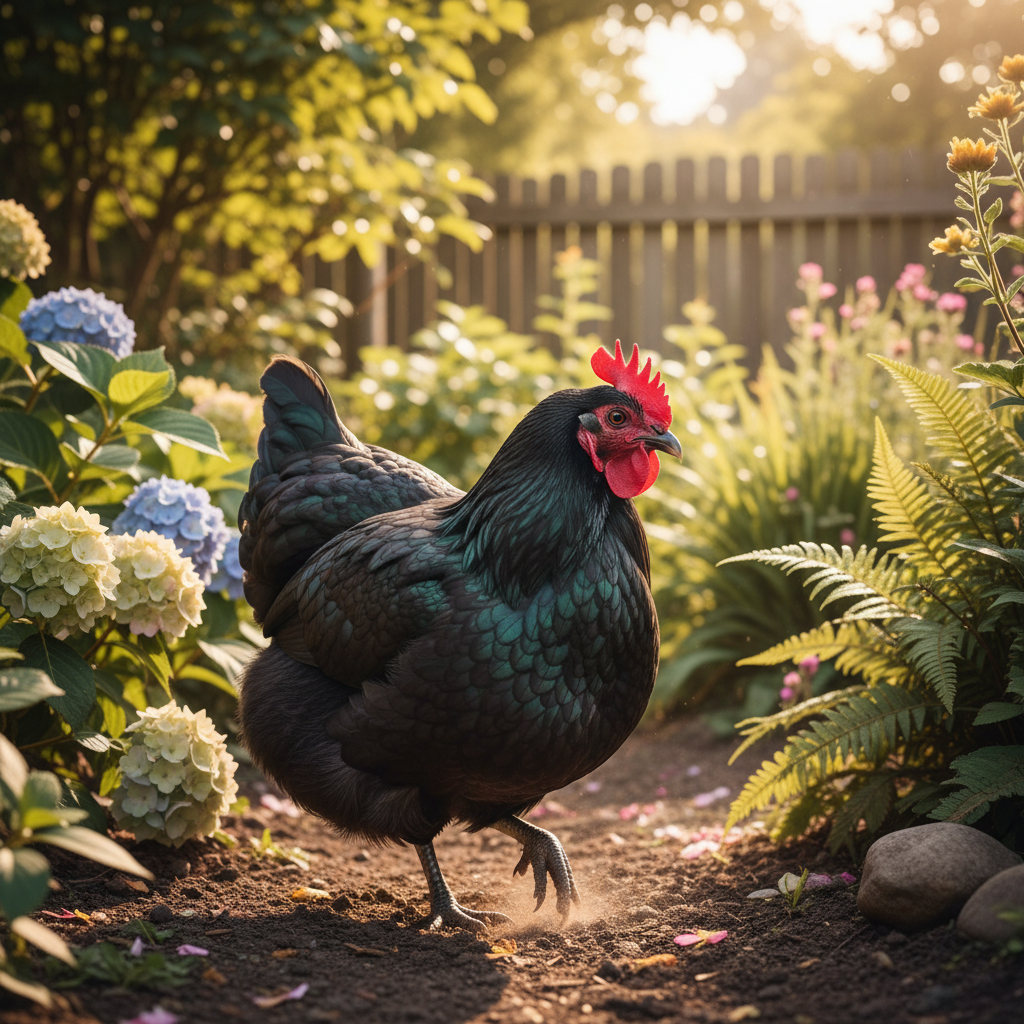
Characterized by their glossy black plumage with a greenish sheen, Australorps are visually striking. But don't let their striking looks fool you, they're known for their friendly demeanor and ability to integrate well with other breeds such as Buff Orpingtons and Plymouth Rocks.
Behavioral Traits
- Docility: They're perfect for families since they're gentle and approachable.
- Foraging: Though not as eager as some breeds, they do appreciate a good free-range session.
Frequently Asked Questions
Can Australorps live with other chicken breeds?
Absolutely! Their gentle nature means they usually get along well with other birds, including breeds like Silkies and Wyandottes.
What should I feed my Australorp?
In addition to a quality layer feed, provide grit and oyster shell to aid in digestion and calcium intake for eggshell production.
How do I prevent egg production issues in Australorps?
Ensure they get a balanced diet with adequate calcium. Monitor their health closely, watching for signs of egg-binding or other reproductive issues.
Are Australorps prone to any specific health problems?
They're generally healthy but keep an eye out for common chicken ailments like respiratory diseases. Regular health checks are important.
How do Australorps react to predators?
Like most chickens, they need protection from predators. Implement some predator-proofing basics to keep them safe.
For a backyard chicken keeper, the Australorp is a breed that brings both utility and beauty to the flock. Their impressive egg-laying capacity, coupled with a friendly temperament, makes them an exceptional choice for both beginners and seasoned poultry enthusiasts.
Got questions or your own tips?
Jump into the community and swap notes with other backyard chicken keepers.
Discuss in the community →Comments
Sign in to join the conversation.