
Mites and Lice
By The Coop Team · Updated May 25, 2026
Quick answer
Mites and lice are harmful pests for backyard chickens that feed on blood and feathers, causing discomfort and health issues. Treat infestations with permethrin spray every 7 to 10 days while ensuring regular coop cleaning and providing dust baths to keep your flock healthy.
Key facts
- Re-treatment Frequency
- every 7 to 10 days
- Life Cycle of Mites
- as little as 1 week
- Dust Bathing Area Size
- 40 sq ft
- Inspection Frequency
- weekly
Dealing with pests like mites and lice can be a real headache for backyard chicken keepers. These tiny freeloaders not only make your hens uncomfortable, but they can also lead to bigger health issues if not managed properly. I've had my fair share of battles with these critters, and I'm here to share some practical tips on how to spot them, treat them, and keep your flock happy and healthy.
How Do Mites and Lice Affect Chickens?
Mites and lice are external parasites that can cause a range of problems for your chickens. They feed on blood, skin, or feathers, leading to irritation and discomfort. In severe cases, a mite infestation can cause anemia, weakened immune systems, and even death if not treated in time. Lice, though less insidious, can still cause plenty of stress and feather damage.
Signs of Infestation
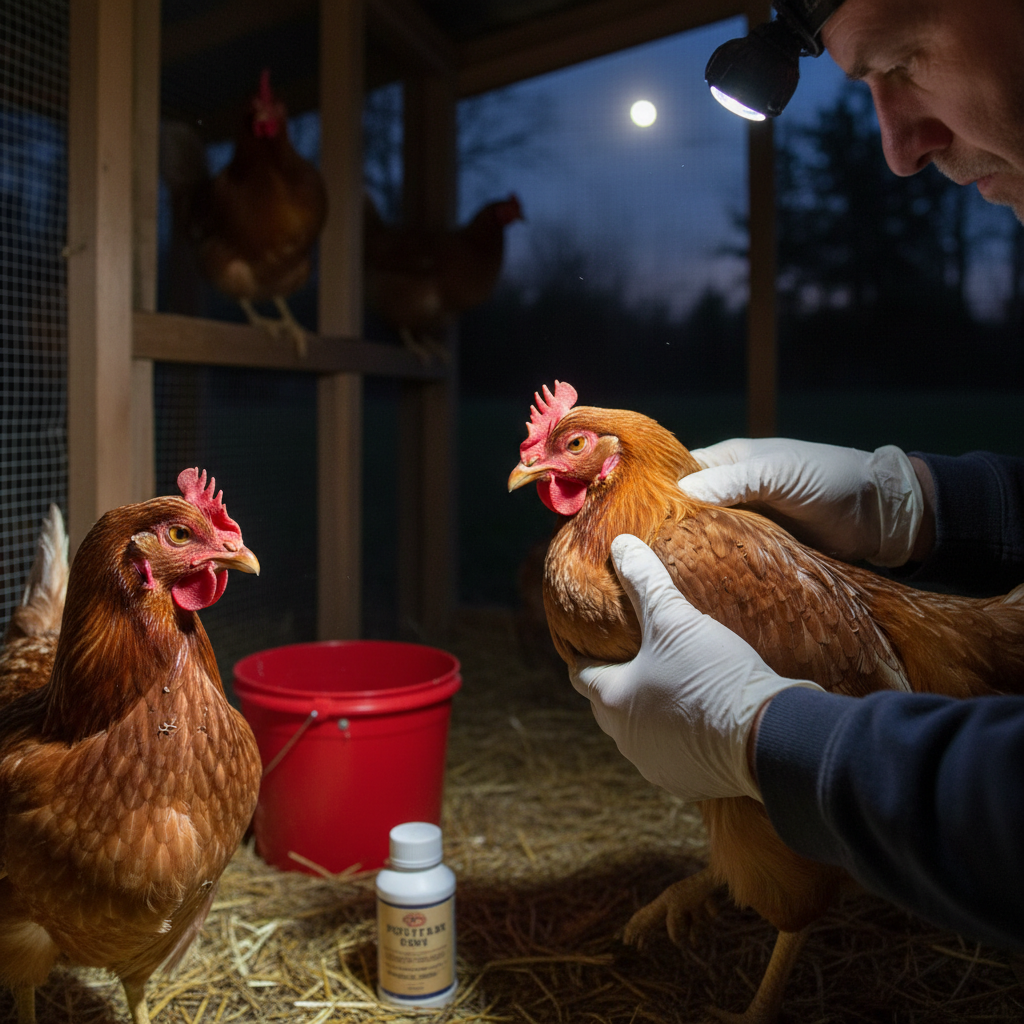
- Mites: Look for clusters of tiny red or brown specks, especially around the vent area. Checking at night with a flashlight can reveal these pests when they're most active.
- Lice: These pests live entirely on the bird. Look for clumped feathers or bare patches, particularly near the vent and under the wings.
What Are the Types of Mites and Lice?
Two common mites you'll encounter are the Northern fowl mite and the red mite. Each has its unique habits and signs.
- Northern Fowl Mites: These mites spend their entire lifecycle on the bird. They can reproduce quickly, so prompt identification and treatment are crucial.
- Red Mites: Also known as chicken mites, these pests hide in cracks and crevices during the day and feed on the birds at night.
Lice, on the other hand, are always on the bird. They feed on skin scales and feather debris, causing irritation and feather loss.
Differences in Lifecycles
- Mites: Lifecycle varies by type, but many can mature in as little as a week.
- Lice: They lay eggs on the host, which hatch in about a week. Lice live their entire lives on the host.
How Can You Effectively Treat Mites and Lice?
Treatment involves a combination of direct bird care and thorough coop cleaning. Here's what I've found works best:
- Permethrin Spray: Spraying the birds directly with permethrin can kill both mites and lice. Ensure you get under the wings and around the vent.
- Coop Cleaning: Pull out roosts and treat all cracks with a permethrin-based product or another approved insecticide.
- Diatomaceous Earth: Adding this to dust-bathing areas can help prevent future infestations. It's a natural way to deter these pests.
How Often Should You Re-treat?
Given the lifecycle of these pests, re-treatment is often necessary. Plan to repeat treatments every 7 to 10 days to catch any newly hatched critters. This persistence is key to breaking the cycle.
Can Your Flock Be Resistant to Mites and Lice?
While no breed is completely immune, some breeds seem less prone to infestations. Australorps and Plymouth Rocks are hardy birds that might handle infestations better than others.
Breeds Worth Considering
- Australorp: Known for their calm temperament and hardiness.
- Buff Orpington: Another resilient breed that's easy to handle.
Check out our breed guides for more information on selecting the right birds for your backyard.
What Preventative Measures Can You Take?
Preventing mites and lice starts with good flock management:
- Regular Inspections: Check your birds weekly for signs of pests, especially around the vent.
- Clean Coops: Keep bedding fresh and coops clean. Regularly wash feeding and watering equipment.
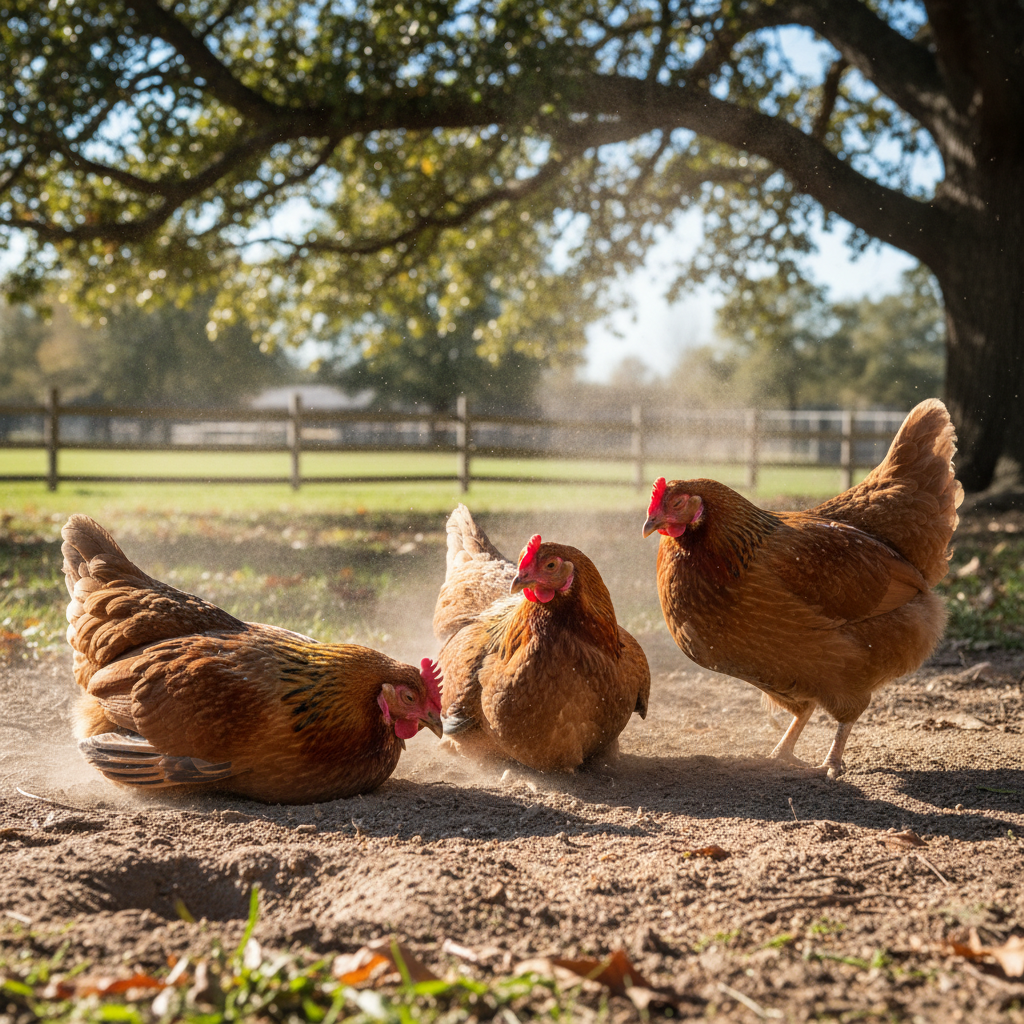
- Dust Baths: Ensure chickens have access to dust baths. It's their natural way to combat pests.
Frequently Asked Questions
How can I tell if my chickens have mites or lice?
Look for signs of discomfort in your flock, such as constant preening, feather loss, or bare patches. At night, use a flashlight to inspect the vent area for mites.
Are there natural alternatives to chemical treatments?
Diatomaceous earth is a popular natural remedy. Some keepers also use wood ash in dust baths. However, be cautious to avoid inhalation issues.
Can mites or lice affect humans?
While these pests are primarily avian parasites, they can cause mild irritation if they come into contact with humans. Proper hygiene and handling can minimize this risk.
How can I prevent future infestations?
Regular coop cleaning, providing dust baths, and maintaining a healthy flock through proper nutrition and spacing are your best defenses.
Is there a connection between mites, lice, and other poultry diseases?
Yes, stress from infestations can weaken chickens and make them more susceptible to illnesses like Marek's Disease or Coccidiosis.
What Should You Do After Treating an Infestation?
After treating your flock, continue to monitor them closely. Ensure they have a balanced diet to recover from any stress or nutritional deficits caused by the pests. Maintaining coop ventilation and proper roost spacing can also help keep your chickens healthy and comfortable.
Got questions or your own tips?
Jump into the community and swap notes with other backyard chicken keepers.
Discuss in the community →Comments
Sign in to join the conversation.