
Coccidiosis
By The Coop Team · Updated May 25, 2026
Quick answer
Coccidiosis is a protozoal infection caused by Eimeria species that affects chicks aged 3-8 weeks, leading to symptoms like bloody diarrhea and lethargy. Treatment involves using Amprolium in drinking water for 5 days. Prevention includes using medicated feed and maintaining a clean environment.
Key facts
- Affected Age Range
- 3-8 weeks
- Treatment Duration
- 5 days
- Dosage of Amprolium
- 1.5 teaspoons per gallon
- Cleaning Frequency
- daily spot cleaning
- Medicated Feed Benefits
- contains low levels of Amprolium
Coccidiosis is a gut-wrenching concern for many backyard chicken keepers, especially when you notice your lively chicks suddenly becoming lethargic. This protozoal infection primarily targets chicks aged 3-8 weeks, a critical period for their development. If you're not careful, it can quickly spread through your flock, turning your coop into a battleground. Let's dig into how to recognize, treat, and prevent this common poultry problem.
What is Coccidiosis?
Coccidiosis is caused by microscopic parasites known as protozoa, specifically from the Eimeria species. These parasites invade the intestinal lining of chickens, leading to symptoms like bloody or mucousy diarrhea, lethargy, ruffled feathers, and weight loss. It's not just distressing to see but can also be lethal if untreated.
Why Chicks are Most Vulnerable
Chicks between 3 and 8 weeks old are most susceptible because their immune systems aren't fully developed. During this time, exposure to low levels of the protozoa can help build natural immunity, but high exposure leads to illness. That's why gradual exposure to outdoor soil can be part of a balanced prevention strategy.
How to Recognize the Symptoms
Spotting the signs early can make a big difference. Here’s what to look for:
- Diarrhea: Often bloody or mucousy, a telltale sign.
- Lethargy: If your once lively chicks are now listless.
- Ruffled Feathers: A symptom of many chicken illnesses.
- Weight Loss: Rapid weight loss despite adequate feed.
Keep an eye on your chicks daily. I’ve found that morning checks allow you to catch these signs early, especially when combined with regular feed and water monitoring.
Treatment Options
When you suspect coccidiosis, swift action is crucial. Amprolium (marketed as Corid) is the go-to treatment. It's mixed in the drinking water, making it easy to administer:
- Mix 1.5 teaspoons of Amprolium per gallon of water.
- Treat for 5 days straight.
It's important to ensure the medicated water is the only source they drink during treatment. Some folks might worry about overmedication, but rest assured, Amprolium is safe for chickens when used as directed according to veterinary guidelines.
Preventing Coccidiosis
Prevention is always better than cure, especially when it comes to coccidiosis. Let’s explore some preventive measures:
Use Medicated Feed
Medicated chick starter feed contains low levels of Amprolium, which helps prevent coccidiosis. Brands like Purina and Kalmbach offer these feeds, which are just as nutritious as their non-medicated counterparts.
Maintain a Clean Environment
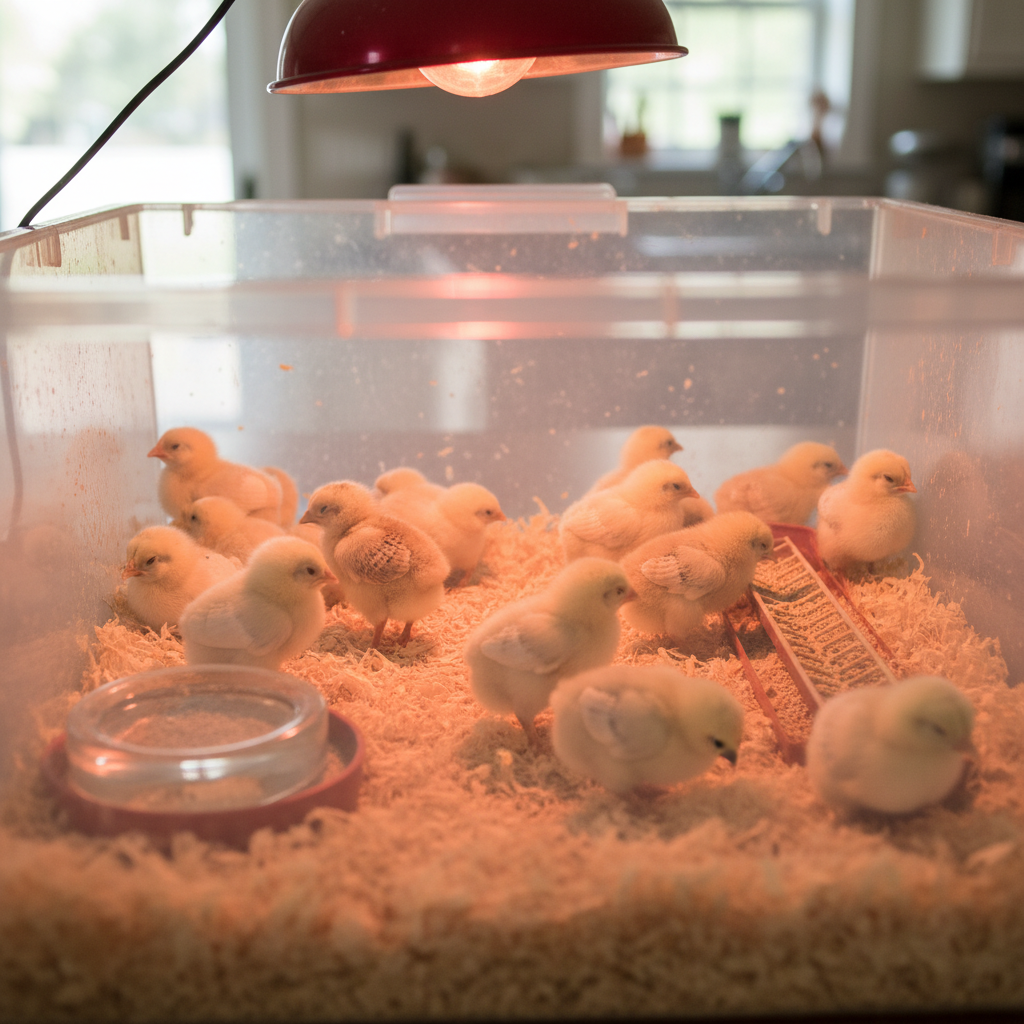
- Dry Brooder: Moisture is a breeding ground for coccidia. Use absorbent bedding and clean it regularly.
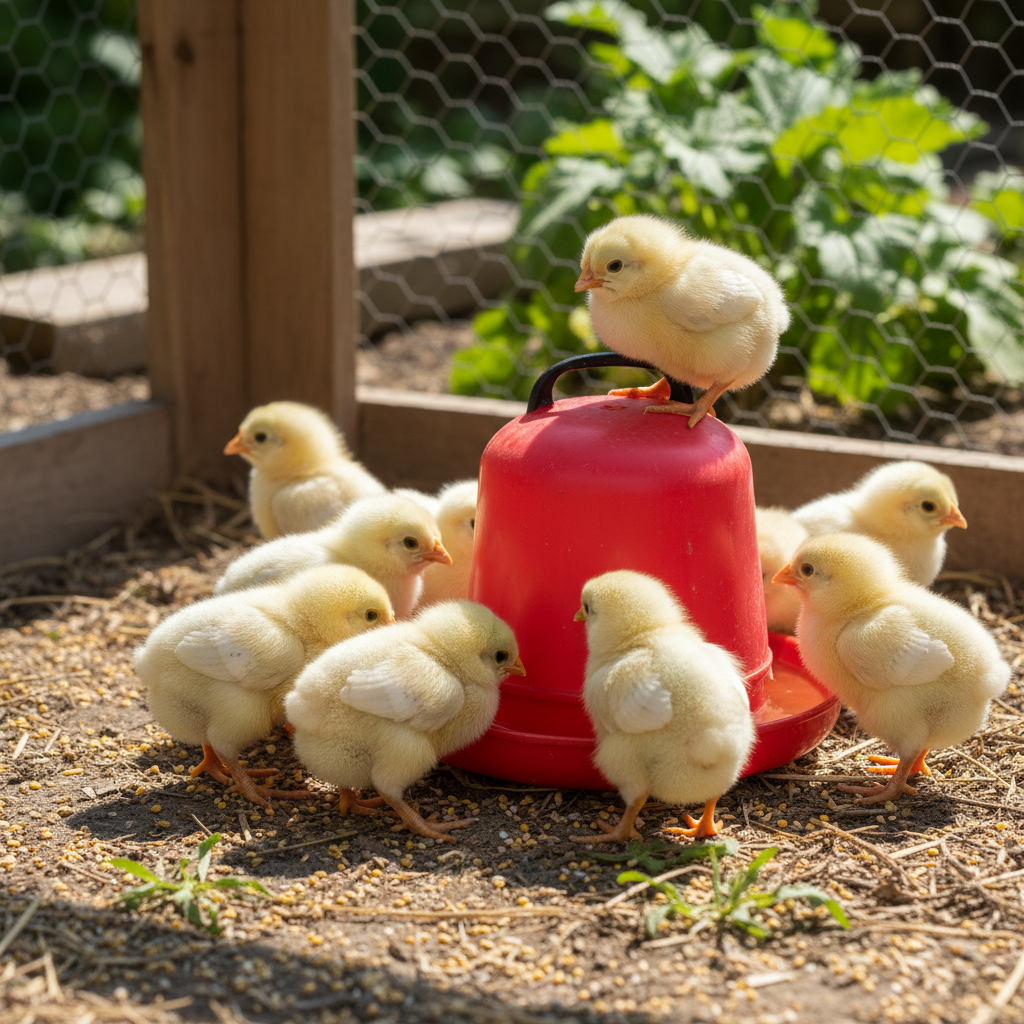
- Gradual Soil Exposure: Introduce chicks to outdoor soil gradually to build immunity. A small run with wire mesh allows them to scratch without full exposure.
Regular Coop Maintenance
A well-ventilated coop can prevent many diseases, not just coccidiosis. Good ventilation minimizes moisture buildup, reducing the risk of all kinds of infections.
Impact on Different Chicken Breeds
Some breeds, like the hardy Australorp, may be less susceptible to coccidiosis due to their robust immune systems, while others might need extra care. It's essential to know your breed and provide the appropriate environment.
Breeds to Watch
- Buff Orpingtons: Known for being docile but sometimes more susceptible to diseases.
- Leghorns: Generally resilient but monitor them during their vulnerable chick stage.
Frequently Asked Questions
Can adult chickens get coccidiosis?
Yes, but it's less common. Adult chickens usually have built immunity from previous low-level exposures. However, stress or poor conditions can trigger an outbreak.
Is medicated feed safe for all breeds?
Generally, yes. However, some specialty breeds or show chickens might have specific dietary needs. Always check with a poultry expert if in doubt.
How often should I clean the brooder?
Daily spot cleaning and a full clean-out once a week work well. Moisture control is key, so adjust based on your specific conditions.
Can I use bleach to sanitize my coop?
Bleach can be used, but it must be thoroughly rinsed to prevent harm. A natural alternative is a vinegar solution, which is less harsh but still effective.
Are there natural treatments for coccidiosis?
Some advocate for herbal remedies like oregano oil, but these shouldn't replace proven treatments like Amprolium. They might help in prevention when used as part of a broader health plan.
For more insights on chicken health and breed specifics, you might find our articles on Mites and Lice and Buff Orpington helpful.
Got questions or your own tips?
Jump into the community and swap notes with other backyard chicken keepers.
Discuss in the community →Comments
Sign in to join the conversation.