Treats and Kitchen Scraps
By The Coop Team · Updated May 25, 2026
Quick answer
Treating backyard chickens with kitchen scraps and special snacks is enjoyable and beneficial, as long as treats compose no more than 10 percent of their total daily intake. Monitor their health when introducing new treats to avoid toxicity from harmful foods.
Key facts
- Maximum treat percentage
- 10 percent
- Suggested treat frequency
- a few times a week
- Best age for chick treats
- a few weeks old
- Calorie-dense winter treats
- cracked corn and oats
Treating your backyard chickens with kitchen scraps and special snacks is not just fun, it's a great way to reduce waste and provide entertainment for your flock. But before you start tossing everything into the coop, it’s important to know which treats are beneficial and which can be harmful. Too many treats can upset their nutritional balance, so moderation is key.
What Makes a Good Chicken Treat?
When selecting treats for your chickens, aim for those that complement their regular diet. The golden rule is that treats should make up no more than 10% of their total daily intake. Here's what to focus on:
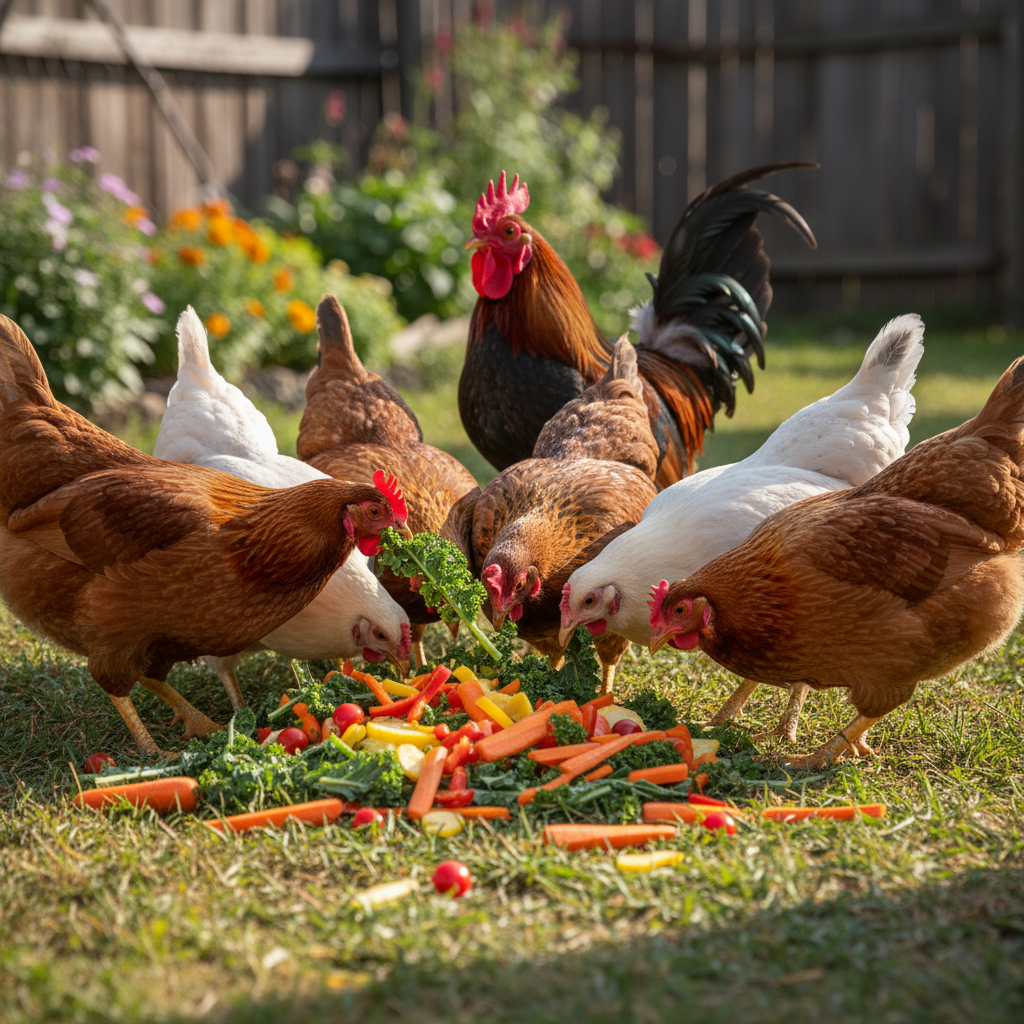
- Leafy Greens: Spinach, kale, and broccoli leaves are rich in vitamins A, C, and K.
- Berries and Fruits: Blueberries, blackberries, and watermelon are hydrating and packed with antioxidants.
- Protein-Rich Snacks: Mealworms and cooked eggs provide essential proteins and amino acids.
- Seasonal Veggies: Pumpkins and squash in the fall are perfect, providing vitamins and a natural dewormer.
Learn about different chicken breeds like the docile Buff Orpington or the hardy Plymouth Rock and their dietary needs.
What to Avoid Feeding Your Chickens
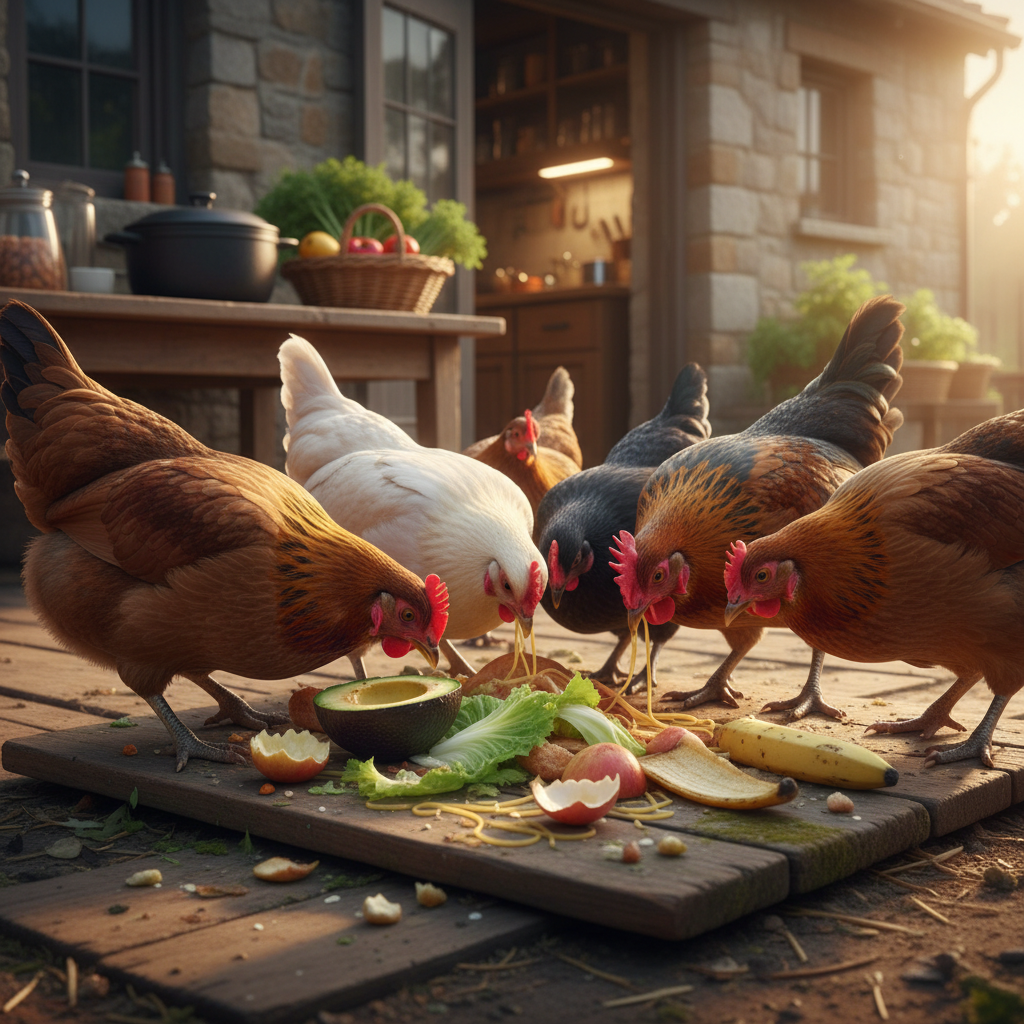
Some foods can be toxic or otherwise harmful to chickens. Here’s a quick rundown of what to keep out of the coop:
- Avocado: Contains persin, which is toxic to birds.
- Raw or Dried Beans: Can contain hemagglutinin, harmful to chickens.
- Chocolate: Like for dogs, it's a no-go due to theobromine.
- Moldy Food: Can cause illness in chickens.
- Raw Potato Peels: Contain solanine, a toxic compound.
- Citrus: Too much can interfere with calcium absorption.
- Onions and Garlic: In large amounts, these can taint the flavor of eggs.
How to Safely Introduce New Treats
When introducing any new food, it’s best to do so gradually. Start with small amounts and watch for any changes in behavior or health. Here are some tips:
- Monitor: Initially, watch your chickens after they try a new treat to ensure there’s no adverse reaction.
- Balance: Ensure their primary feed remains the bulk of their diet. Check the recommended feed by life stage for details.
- Variety: Rotate treats to keep their diet interesting and nutritious.
Treats for Enrichment and Health
Treats can also serve as great enrichment tools. Use them to stimulate natural behaviors and support chicken health.
Puzzle Feeders
- Scatter seeds or grains in bedding to encourage foraging.
- Use treat balls or hanging cabbages to get them pecking and moving.
Seasonal Changes
Vary treats with the seasons to align with natural food availability. Pumpkins in fall, watermelon in summer, and greens in winter keep nutrition balanced.
The Role of Grit and Oyster Shells with Treats
When feeding treats, chickens may need additional grit to aid digestion, especially with fibrous foods like greens and whole grains. Grit acts as their teeth and helps grind food in the gizzard. Learn more about grit and oyster shell needs here.
Calcium Needs
Increased treat feeding, especially of fruits high in water, might dilute the calcium levels necessary for healthy eggshell production. Ensure you’re providing oyster shells for laying hens to peck freely at.
Can Treats Affect Egg Production?
Feeding too many treats, particularly low-calcium or high-fat options, might impact egg production. An imbalance can lead to:
- Weak Eggshells: Lack of calcium leads to thin shells.
- Reduced Lay Rates: Poor nutrition can decrease egg-laying frequency.
Frequently Asked Questions
How often should I give my chickens treats?
A few times a week is generally a good frequency, as long as treats make up less than 10% of their diet. Over time, you'll learn what balance works for your flock.
Can chicks have treats?
Chicks can have treats too, but in very small amounts and only after a few weeks old. Stick to softer treats like mashed cooked eggs or chopped greens.
Are there specific treats for Australorps?
Australorps, like most breeds, enjoy a variety of treats. They do well with protein-rich snacks to support their prolific egg-laying. Learn more about the breed here.
Can treats help with pest control?
Some treats like pumpkin seeds are believed to help with internal parasites. However, they're no substitute for regular health checks and treatments for mites and lice.
What treats are best in winter?
In winter, focus on calorie-dense treats like cracked corn and oats to help them maintain body heat, alongside greens for vitamins.
For more detailed feeding guides, check out your state's extension office resources.
Got questions or your own tips?
Jump into the community and swap notes with other backyard chicken keepers.
Discuss in the community →Comments
Sign in to join the conversation.