
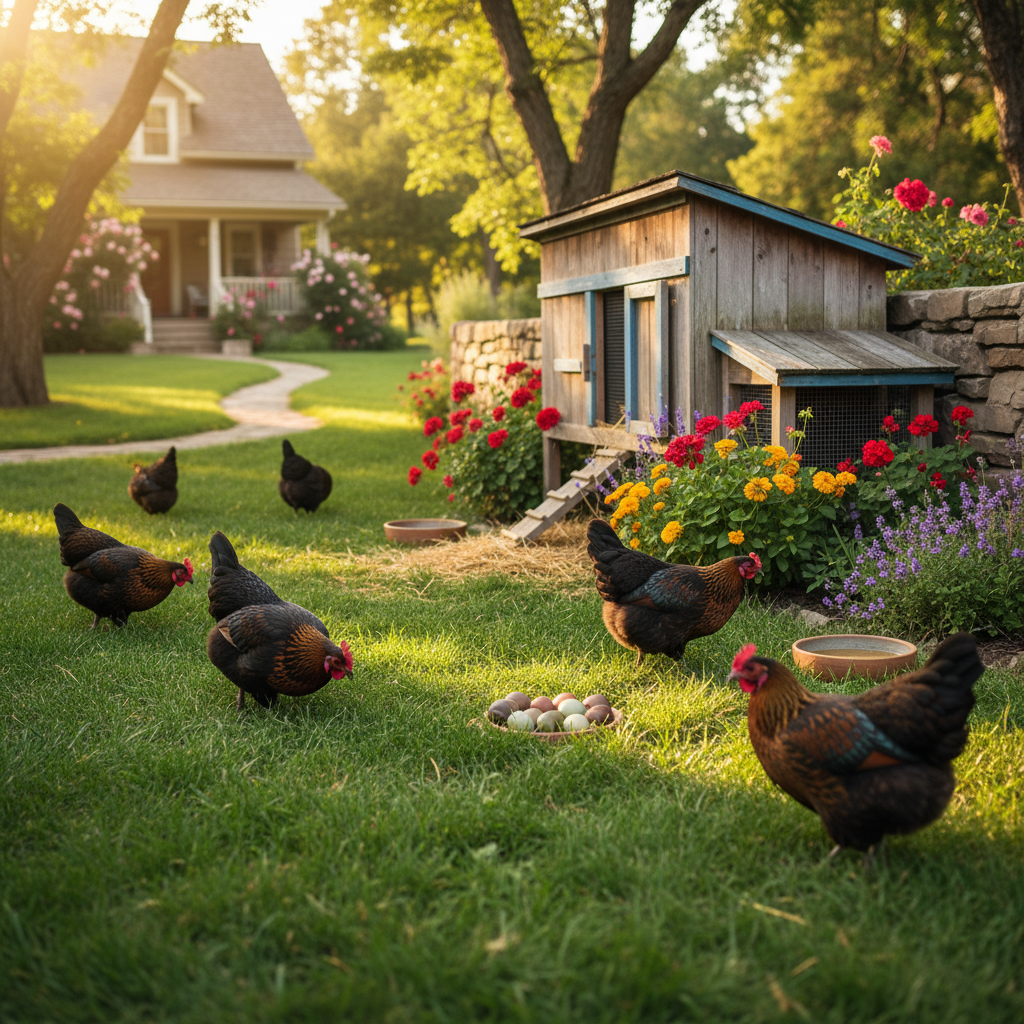
Marans
By The Coop Team · Updated May 25, 2026
Quick answer
Marans are a beloved breed of backyard chickens known for their stunning dark chocolate-brown eggs. They typically lay 150 to 200 eggs annually and require a minimum of 4 square feet of coop space per bird to thrive in your flock.
Key facts
- Egg Production
- 150 to 200 eggs per year
- Coop Space
- 4 square feet per bird
- Weight of Hens
- 6 to 7 pounds
- Egg Color Grade
- 4 or darker on a scale of 1 to 9
When it comes to backyard chickens, Marans have a special place in many chicken keepers' hearts. Known for their incredibly dark chocolate-brown eggs, these French beauties bring both charm and productivity to your flock. If you've ever dreamt of opening your egg carton to find a range of colors, the Marans might just be the jewel in your egg basket.
What Makes Marans Stand Out?
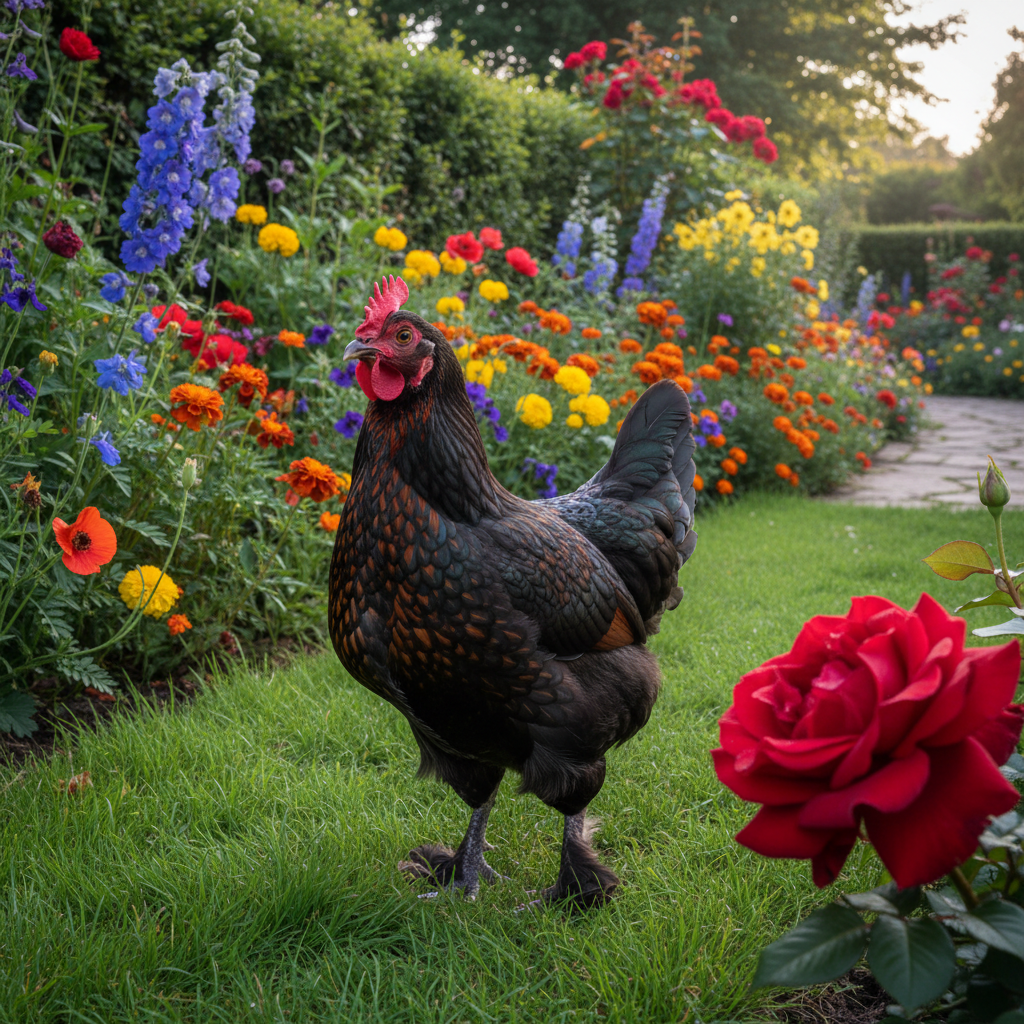
Marans are celebrated for their unique egg color. Their eggs are graded on a darkness scale from 1 to 9, and true show quality eggs are 4 or darker. They lay between 150 to 200 eggs per year, making them a reliable layer. Hens typically weigh between 6 to 7 pounds, making them a sturdy addition to your flock. The most popular variety is the Black Copper Marans, easily recognized by its striking plumage and rich egg color.
Egg Color
- The deep, chocolate-brown color of Marans eggs is unrivaled.
- To maintain true Marans egg color, selective breeding focusing on shell shade is essential.
How to Care for Marans
Marans are known for being calm and hardy, adapting well to confinement. That said, they appreciate space to roam and forage. Here are some tips to keep them happy:
- Coop Space: Ensure you provide at least 4 square feet per bird inside the coop. Check out our Coop Size Per Bird guide for more insights.
- Ventilation: A well-ventilated coop is crucial to avoid respiratory problems. Refer to our Ventilation article.
- Diet: Feed them a balanced diet. I’ve found brands like Kalmbach Poultry Feed work well, especially when supplemented with garden greens and occasional treats. Learn more in our Feed by Life Stage guide.
Health Considerations
Like any breed, Marans need regular health checks. Keep an eye out for common chicken ailments like Marek's Disease and Coccidiosis.
Best Environment for Marans
Marans are incredibly hardy birds, suitable for a range of climates. However, their resilience doesn't mean they should be exposed to harsh conditions without some protection.
- Cold Climates: Their dense feathering provides good insulation. Ensure they have a dry, draft-free coop during winter months.
- Hot Climates: Provide plenty of shade and fresh water. You might need extra ventilation in their coop to keep them cool.
Breeding Marans: What You Need to Know
Breeding Marans can be rewarding, especially if you're aiming for that coveted dark egg color. Here are some tips:
- Keep a diverse gene pool to maintain genetic health.
- Select birds with the darkest eggs for breeding to preserve the egg color.
- Use a scale to grade egg color before setting them in the incubator.
Comparing Marans to Other Breeds
If you're wondering how Marans stack up against other popular breeds, let's take a quick look:
- Australorp: Known for their high egg production, Australorps are hard to beat in the laying department, yet lack the unique egg color of Marans.
- Buff Orpington: Buff Orpingtons are gentle and great for families. Their egg production is similar but the eggs are standard brown.
Frequently Asked Questions
Are Marans good for beginners?
Yes, Marans are generally calm and easy to manage, making them suitable for beginners who want to enjoy unique egg colors.
How do I maintain the dark egg color?
Focus on selective breeding using hens with the darkest eggs. Avoid cross-breeding with lighter egg-laying breeds.
What should I feed my Marans?
A high-quality layer feed supplemented with calcium sources like oyster shell helps maintain egg quality and shell strength. Check our Grit and Oyster Shell guide.
How do I protect Marans from predators?
Ensure your coop and run are predator-proof. Familiarize yourself with our Predator-Proofing Basics.
Do Marans have any specific health concerns?
Like all chickens, they need monitoring for parasites and diseases. Refer to our guides on Mites and Lice and Respiratory Disease.
Can I keep Marans in a mixed flock?
Absolutely. They generally get along well with other breeds but always monitor introductions carefully.
Got questions or your own tips?
Jump into the community and swap notes with other backyard chicken keepers.
Discuss in the community →Comments
Sign in to join the conversation.