

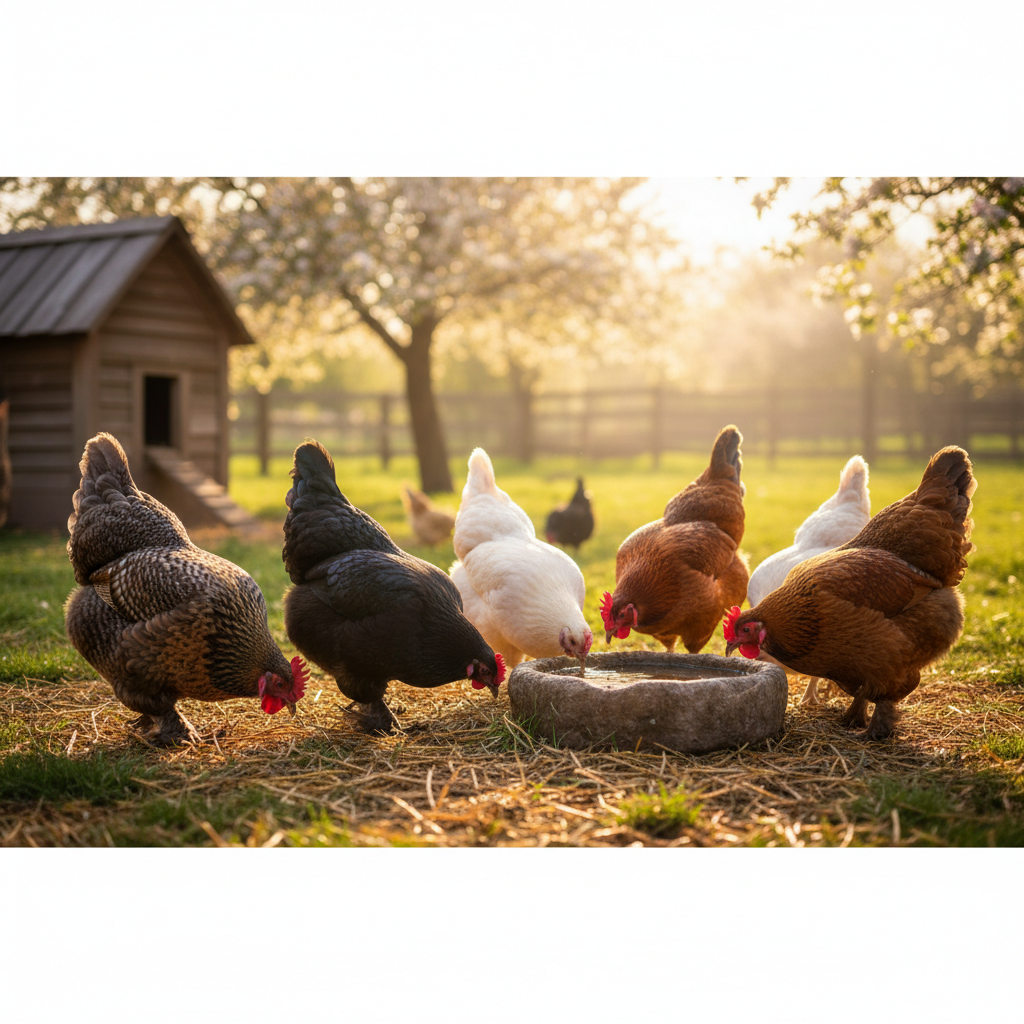
Best Chicken Breeds for Cold Climates
Cold-hardy breeds share three traits: small or rose-shaped combs (less frostbite), heavy feathering, and a calm temperament that doesn't waste calories. These 10 thrive in real winters.
Not sure which breed fits you?
Answer 6 quick questions and our AI matches you to ideal breeds.
Take the Breed Matcher quizWhat we looked for
- Small, rose, pea, or cushion comb (less surface area = less frostbite)
- Dense, layered feathering
- Heavy body that holds heat
- Continues laying through short winter days
- Calm temperament (less energy wasted)
The ranked picks
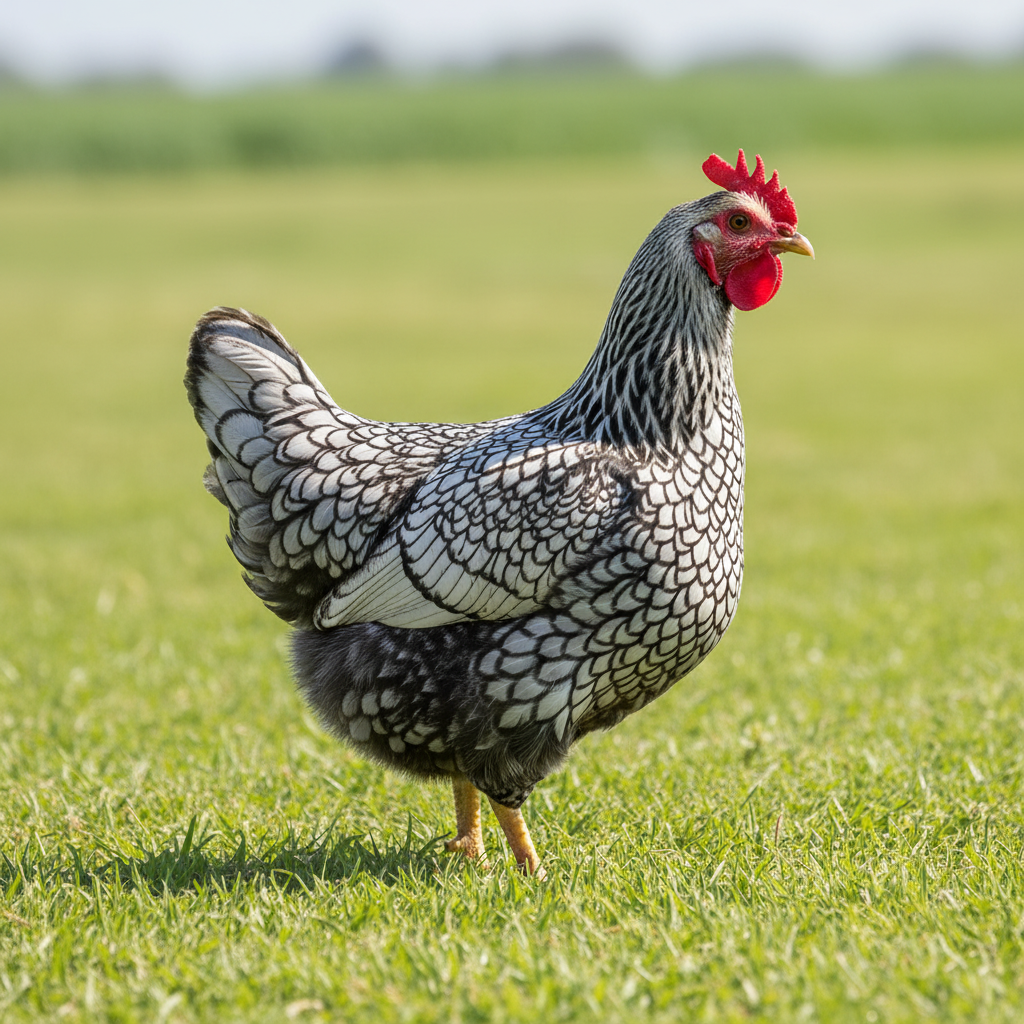
Wyandotte
Rose comb means almost no frostbite, and the laced feathering insulates beautifully. Top winter pick.
Read full Wyandotte breed profile →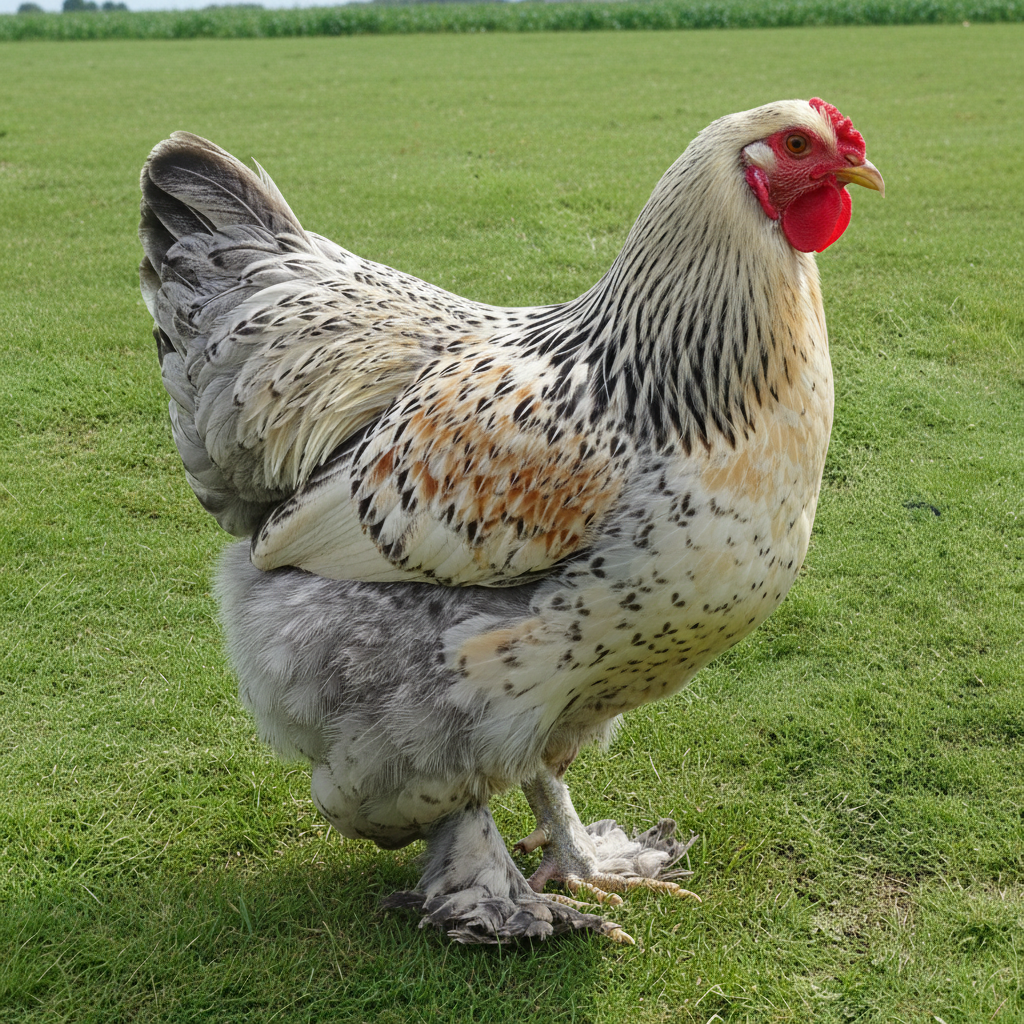
Brahma
Heavy, feather-footed, pea-combed, engineered for cold. Will free-range in snow.
Read full Brahma breed profile →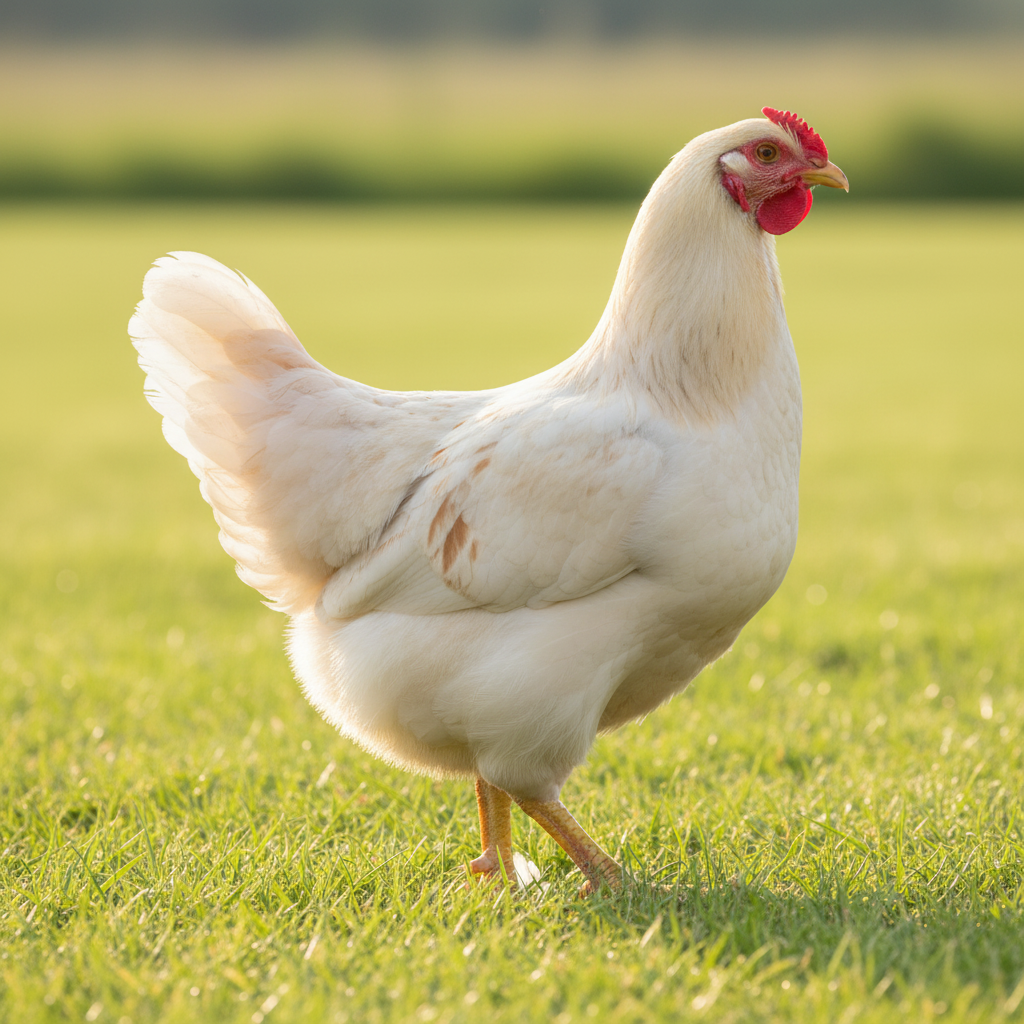
Chantecler
Bred in Canada specifically for the cold. Tiny cushion comb and dense plumage. Hard to find but worth the search.
Read full Chantecler breed profile →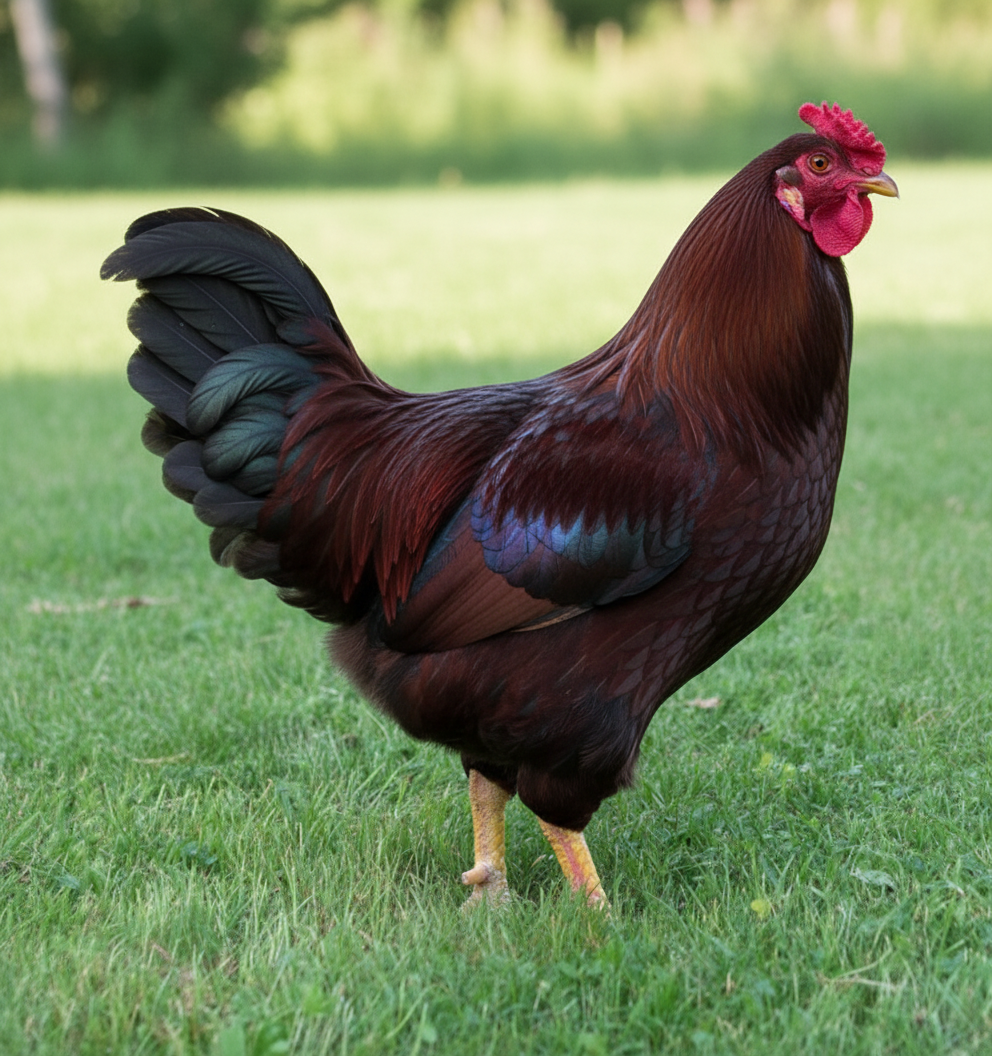
Buckeye
Pea comb, deep red feathering, and the only American breed developed by a woman (Nettie Metcalf in Ohio). Active in snow.
Read full Buckeye breed profile →Buff Orpington
Fluffy enough that they look like they're wearing parkas. Reliable winter layers.
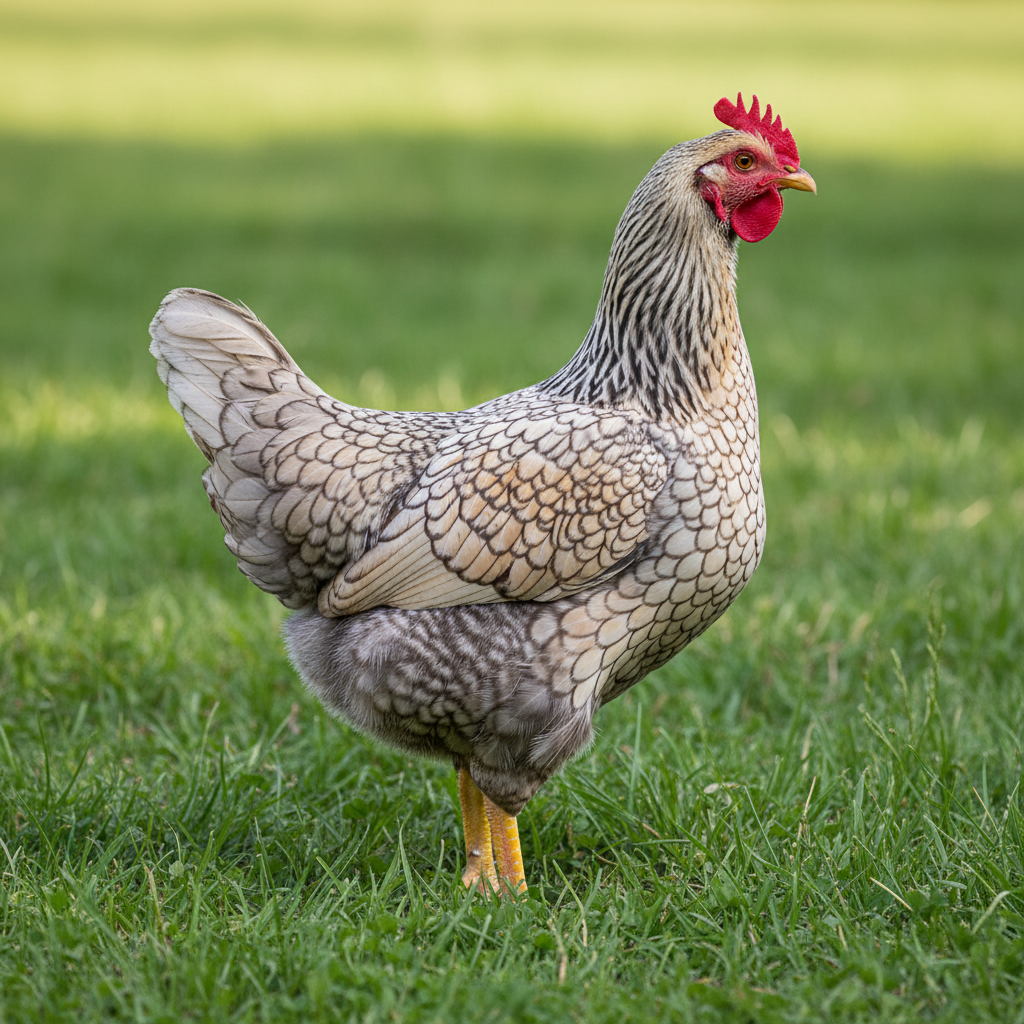
Plymouth Rock
Tough, hardy, and keeps laying further into winter than most breeds.
Read full Plymouth Rock breed profile →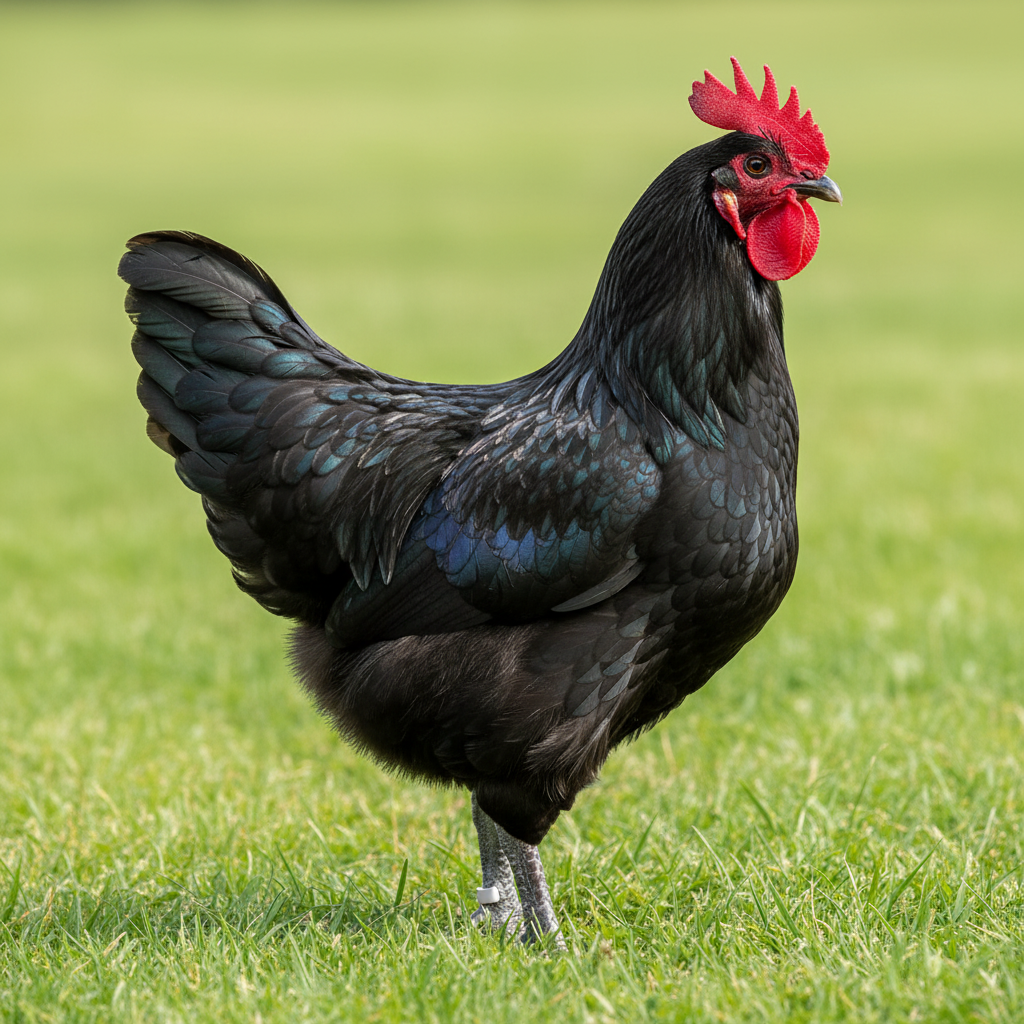
Australorp
Glossy black absorbs sun warmth. Lays through cold snaps when others quit.
Read full Australorp breed profile →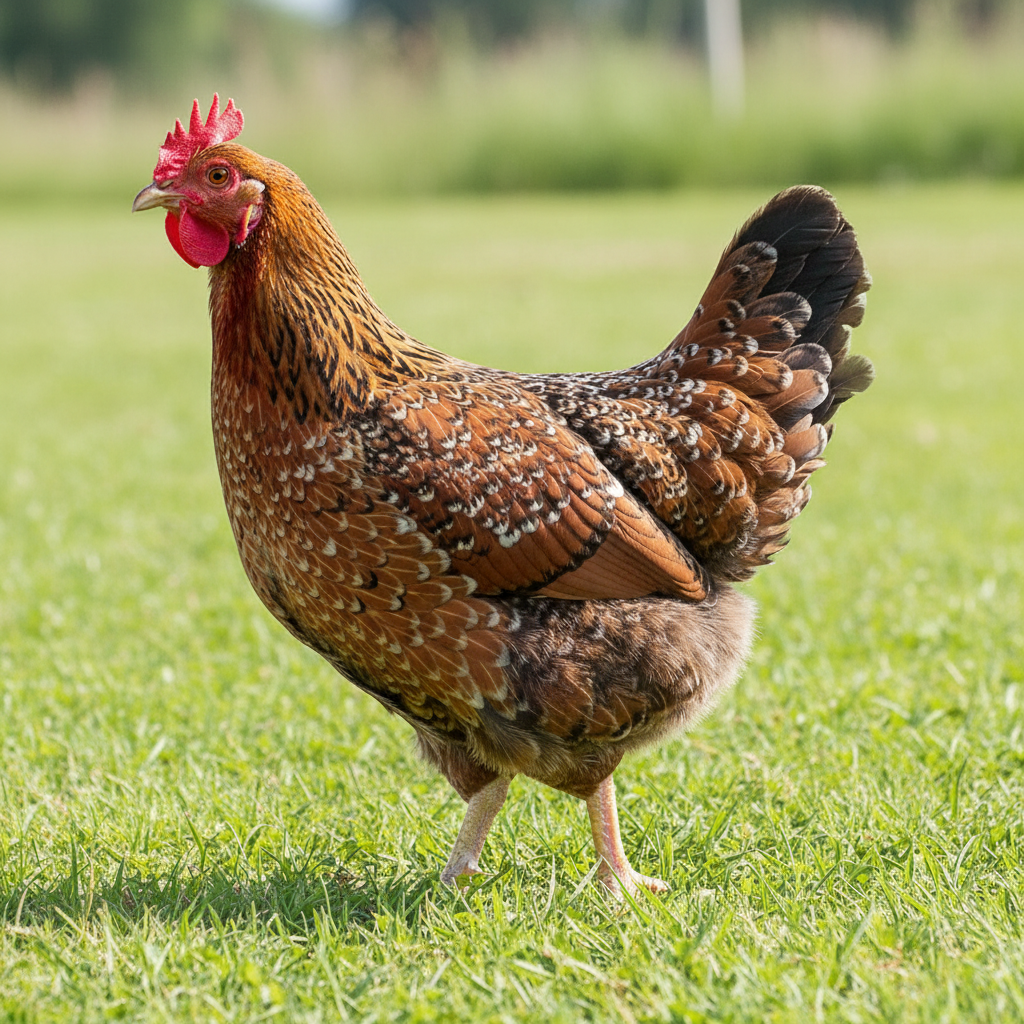
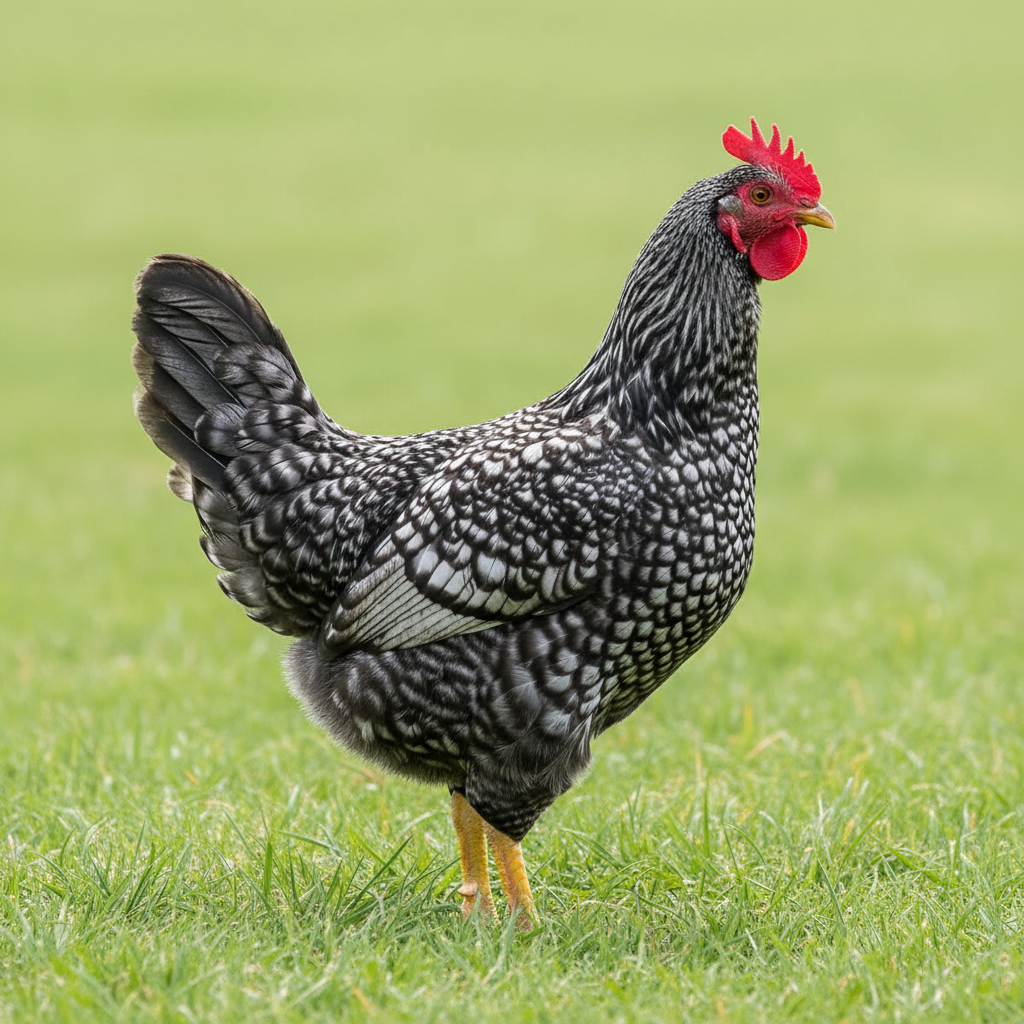
Dominique
America's oldest breed, rose comb, alert personality, lays well through winter.
Read full Dominique breed profile →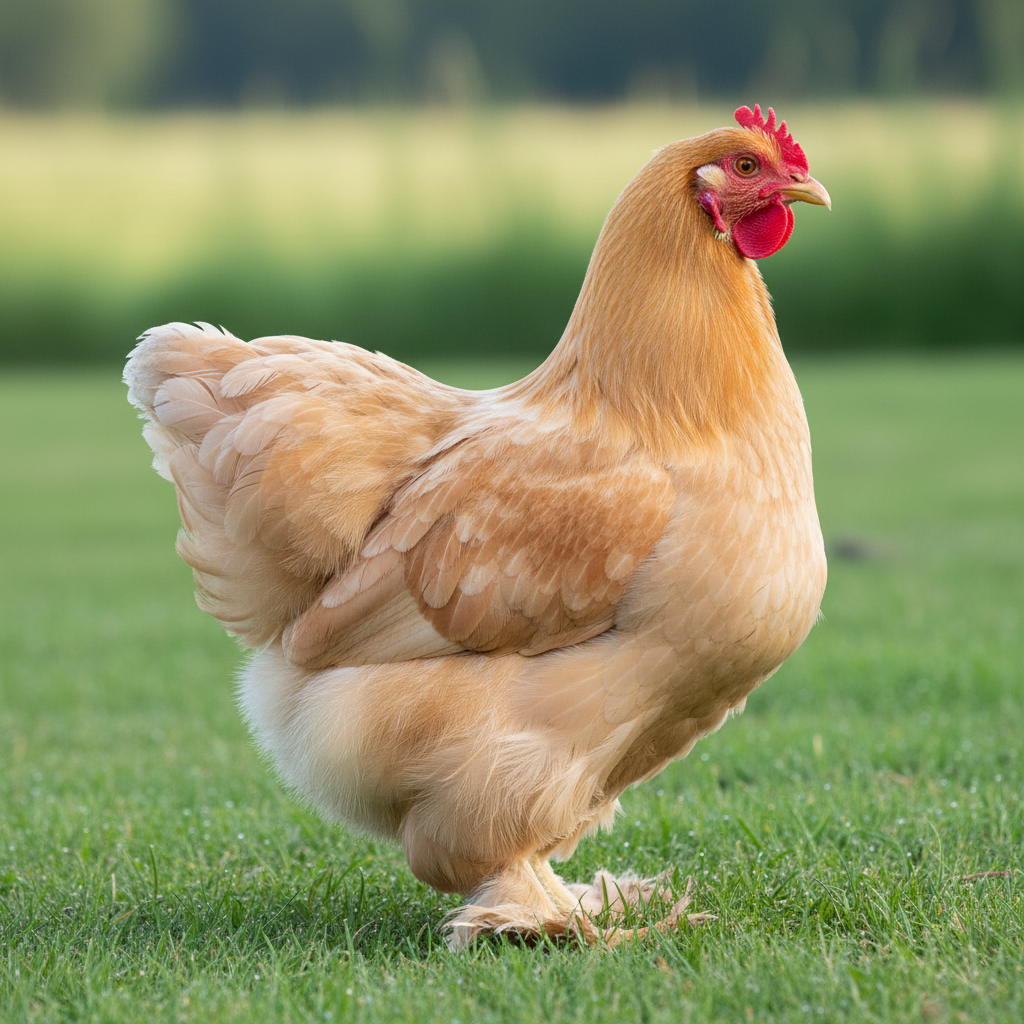
Cochin
Cushion comb and feathered feet. Slow movers but never seem bothered by cold.
Read full Cochin breed profile →Frequently asked questions
Do chickens need heat in winter?
Almost never. Cold-hardy breeds tolerate -20°F if the coop is dry and draft-free. Heat lamps cause more coop fires than they prevent frostbite.
What temperature is too cold for chickens?
Healthy adult birds of cold-hardy breeds handle -20°F. Below that, focus on dryness, draft elimination, and roosts wide enough to cover feet.
How do I prevent comb frostbite?
Pick small-comb breeds, keep humidity low (good ventilation), and rub a thin layer of Bag Balm on combs and wattles in deep cold.
More breed roundups
- Best Chicken Breeds for Beginners
- Best Chicken Breeds for Hot Climates
- Best Chicken Breeds for Kids and Families
- Best Chicken Breeds for Small Yards and Urban Coops
- Best Chicken Breeds for Colorful Eggs
- Best Chicken Breeds for Meat
- Best Chicken Breeds for Free-Ranging
- Best Quiet Chicken Breeds for Suburban Neighborhoods
Choosing a cold-hardy breed for your winters
Almost any healthy adult chicken can get through a cold winter if the coop is dry and draft-free. Cold-hardy breeds just make it easier. They carry more body mass, grow dense feathers and, most important, tend to have small combs that are less likely to get frostbite. Here is how to narrow down the list for your yard.
Look at the comb first
Frostbite usually starts on the comb and wattles. Breeds with rose, pea or cushion combs keep those tissues close to the head. The Wyandotte has a rose comb, the Brahma has a pea comb, and the Chantecler, developed in Canada, has a tiny cushion comb. Big single combs, on a hen like a Leghorn, are the most at risk. Single comb breeds can still work, but they need extra attention to coop moisture.
Match the bird to your kind of cold
- Dry, deep cold. Heavy, fluffy birds like Brahmas and Orpingtons hold heat well. Small combs matter most here.
- Wet, raw cold. Feathered feet, as on Brahmas and Cochins, can ball up with mud and ice. Clean-legged birds like Wyandottes or Australorps may cope better.
- Long winters with short days. If you want eggs in winter, pick breeds known for laying through cold months, such as Brahmas, Chanteclers and Buckeyes.
Mixing cold-hardy breeds in one flock
Most heavy, cold-hardy breeds are calm, so they mix well. Watch size, though. A big Brahma can bully a smaller bird at the feeder without meaning to. Put out more than one feeder and waterer in winter, when birds spend more time crowded inside. If you add a lighter, more active breed for egg numbers, it may be the one that pushes everyone else around.
Pitfalls to avoid
- Sealing the coop tight. It feels kind, but trapped moisture causes more frostbite than cold air. Keep high vents open.
- Relying on heat lamps. They are a common cause of coop fires. Cold-hardy birds rarely need them.
- Ignoring water. Frozen water is a bigger danger than cold. Plan a heated base or swap waterers often.
If a bird does get frostbite, the frostbite guide explains what to look for and when to call a vet.
Common questions about cold-climate chicken breeds
What temperature is too cold for chickens?
There is no single number. Healthy, cold-hardy adults in a dry, draft-free coop handle well below freezing. Wet birds, young birds and sick birds are far more at risk.
Do cold-hardy chickens lay in winter?
Many slow down because of short days, not cold. Some breeds keep laying better than others. Added light can help, but many keepers let hens rest.
Should I put Vaseline on combs?
Some keepers do on very cold nights. Good ventilation and a dry coop do far more to prevent frostbite.

