1
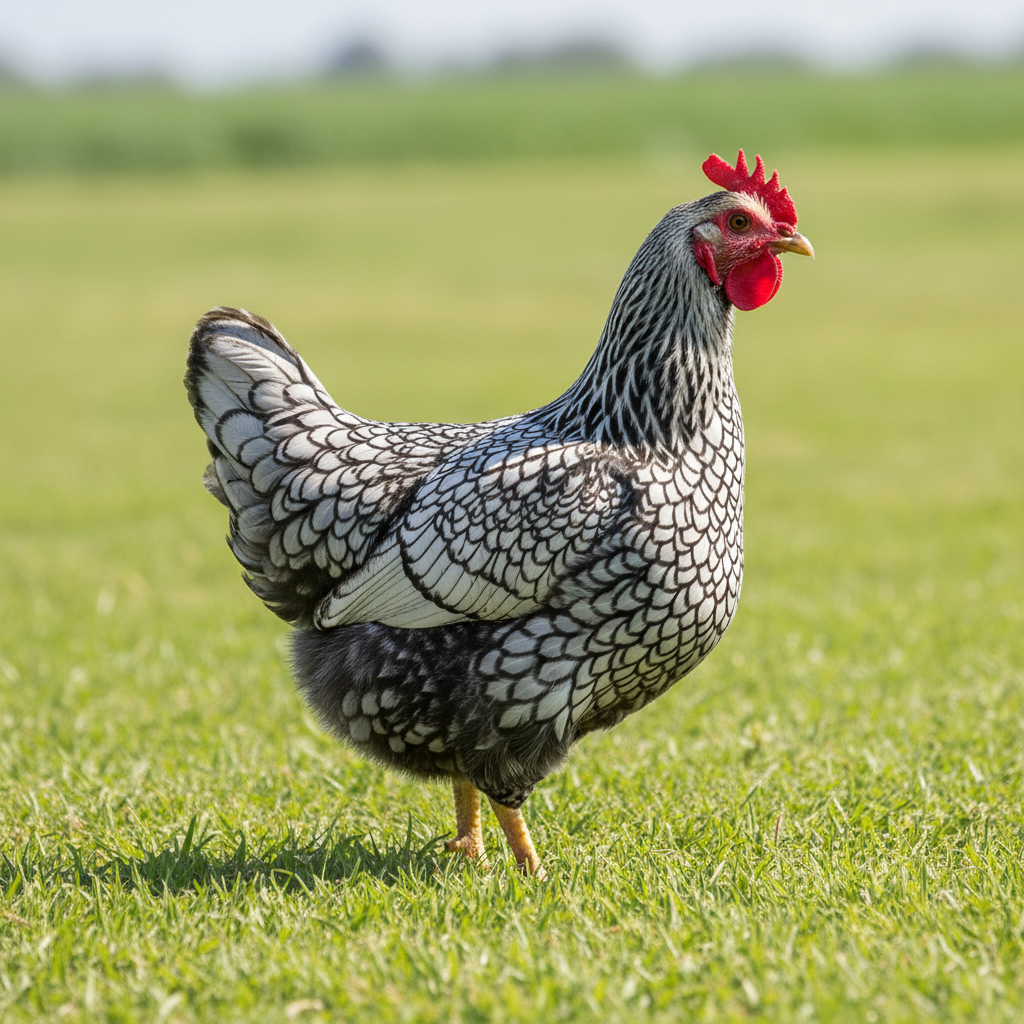
Wyandotte
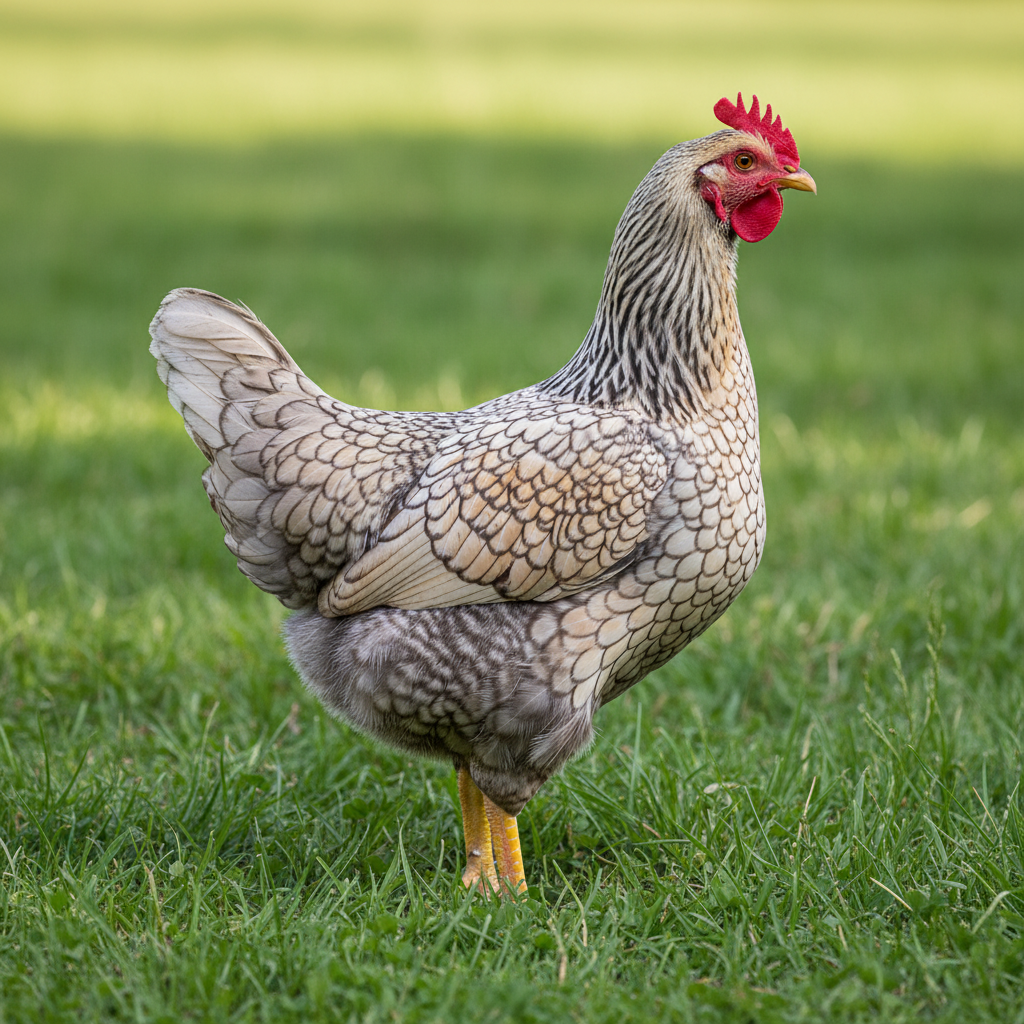
Rose comb means almost no frostbite, and the laced feathering insulates beautifully. Top winter pick.
Read full Wyandotte breed profile →
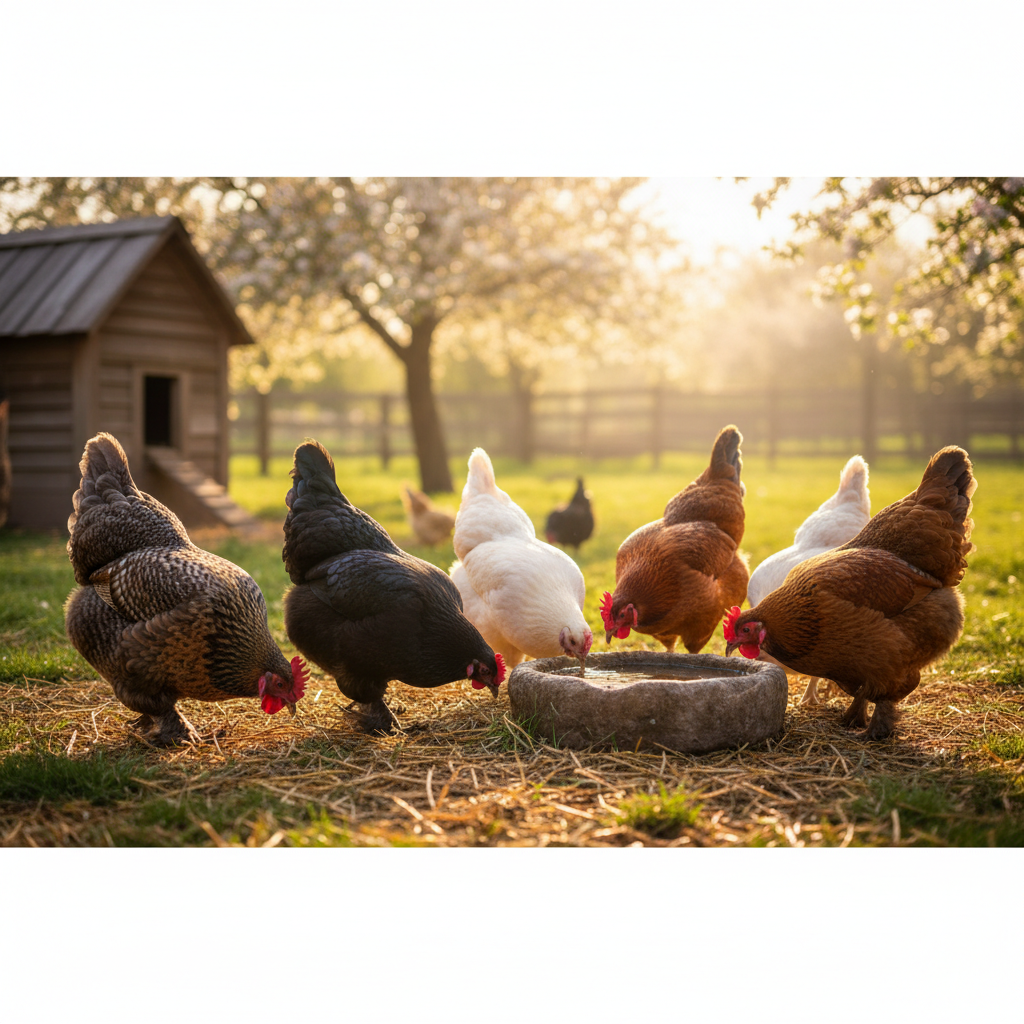
Cold-hardy breeds share three traits: small or rose-shaped combs (less frostbite), heavy feathering, and a calm temperament that doesn't waste calories. These 10 thrive in real winters.
Answer 6 quick questions and our AI matches you to ideal breeds.
Take the Breed Matcher quizRose comb means almost no frostbite, and the laced feathering insulates beautifully. Top winter pick.
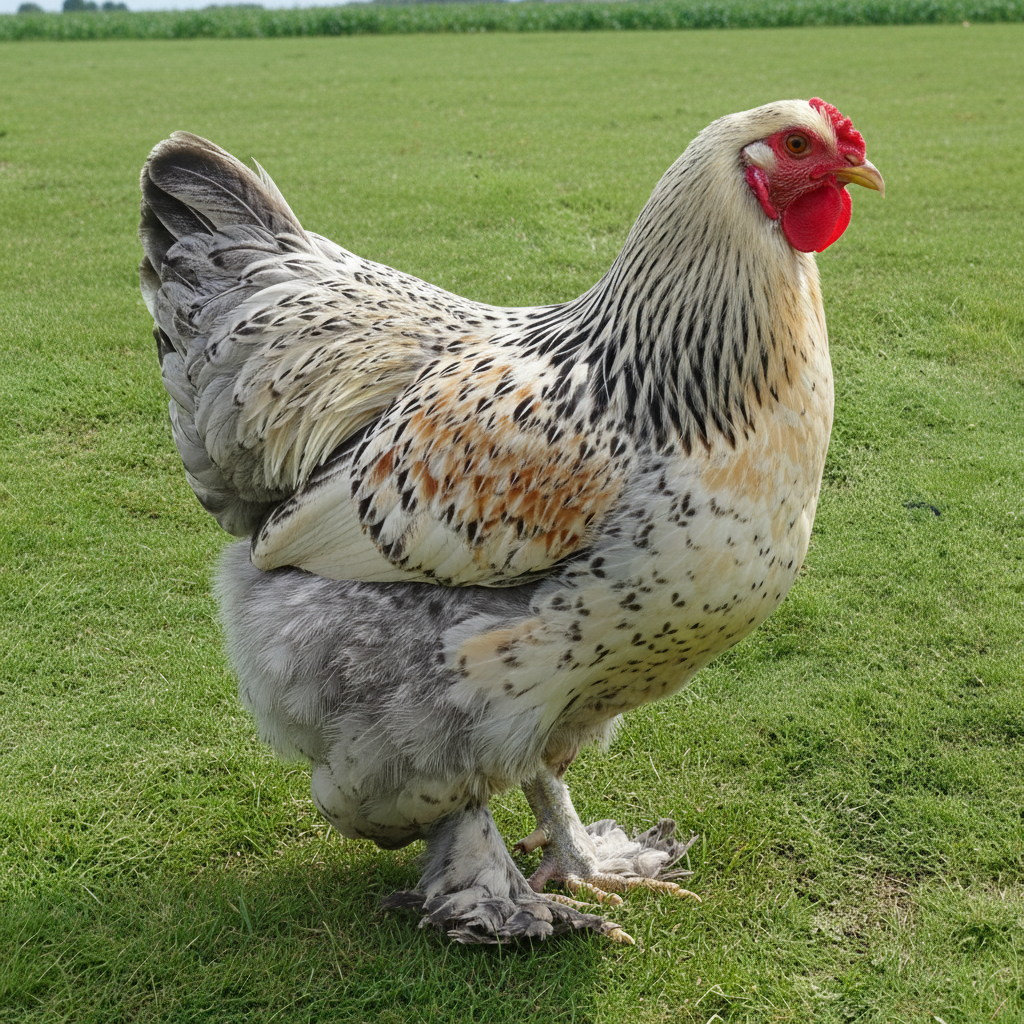
Read full Wyandotte breed profile →Heavy, feather-footed, pea-combed, engineered for cold. Will free-range in snow.
Read full Brahma breed profile →Bred in Canada specifically for the cold. Tiny cushion comb and dense plumage. Hard to find but worth the search.
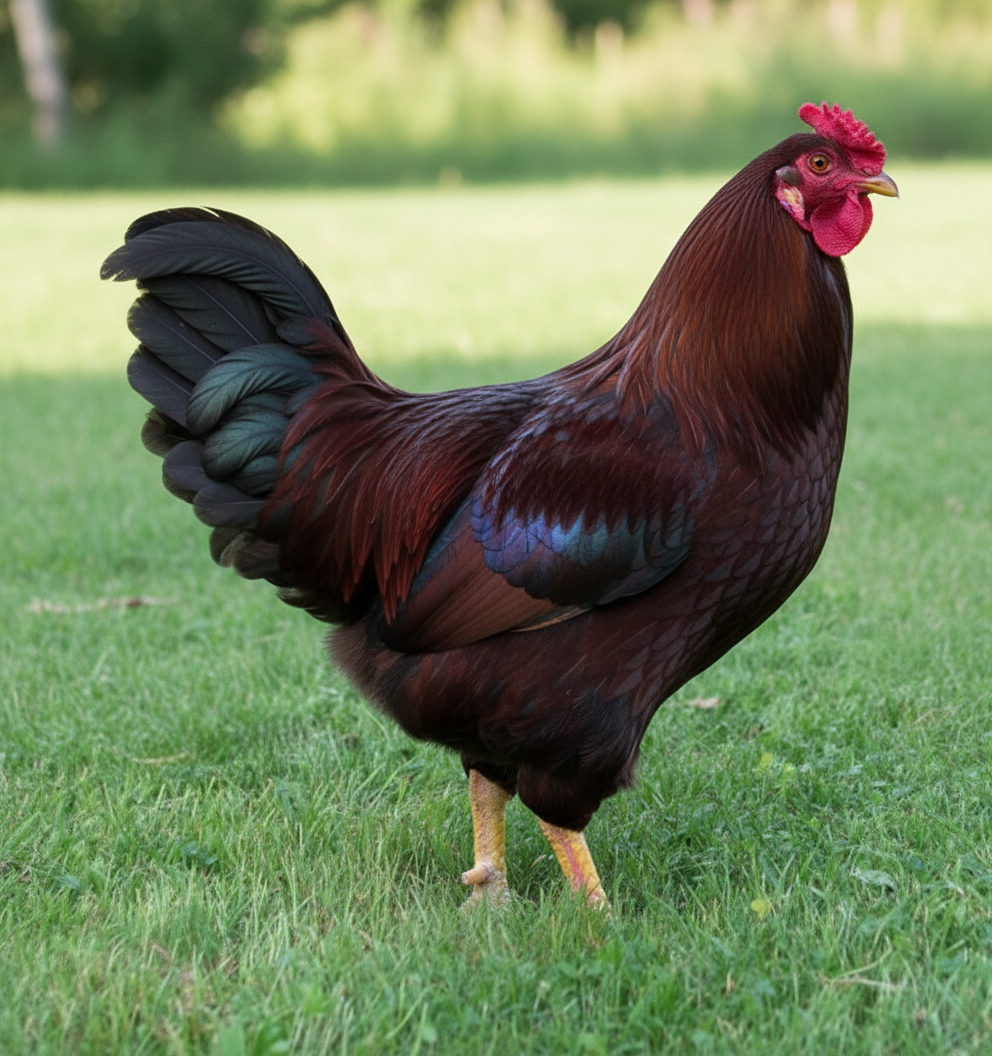
Read full Chantecler breed profile →Pea comb, deep red feathering, and the only American breed developed by a woman (Nettie Metcalf in Ohio). Active in snow.
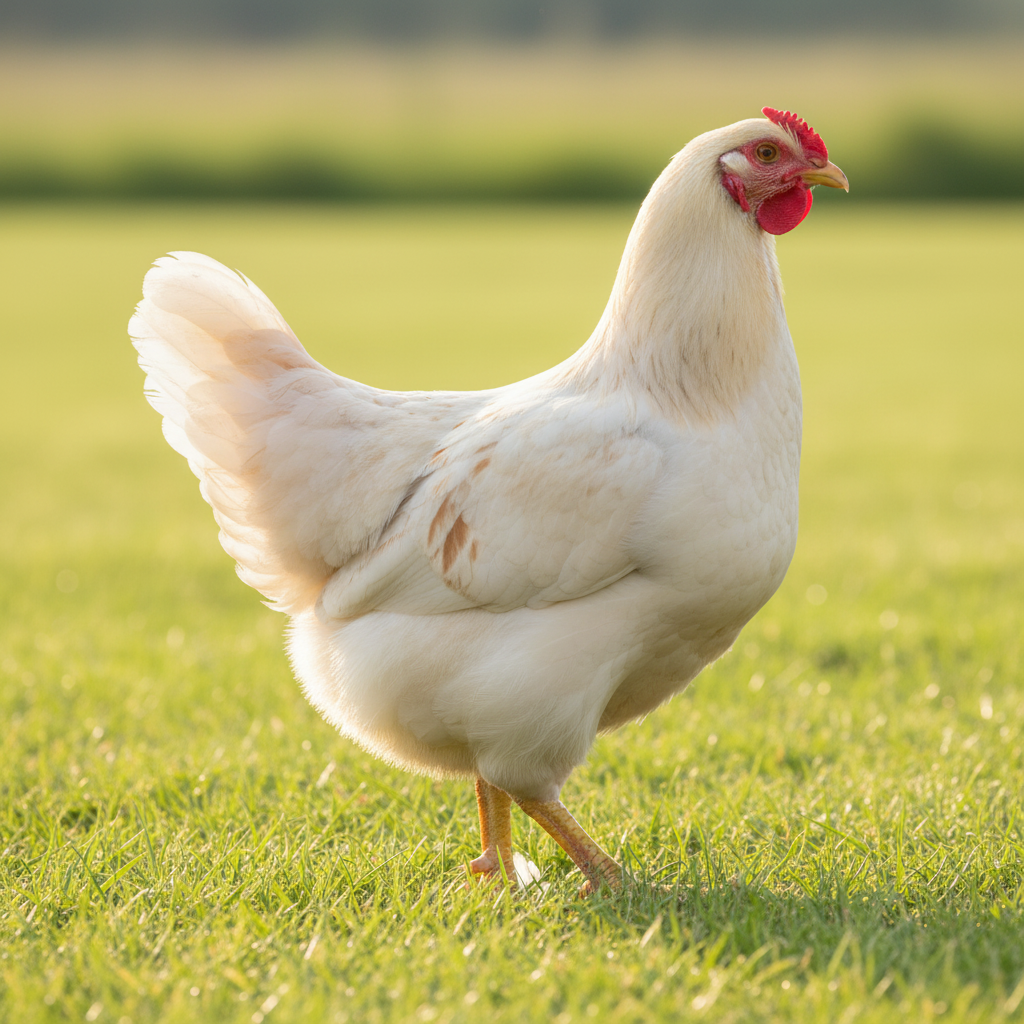
Read full Buckeye breed profile →Fluffy enough that they look like they're wearing parkas. Reliable winter layers.
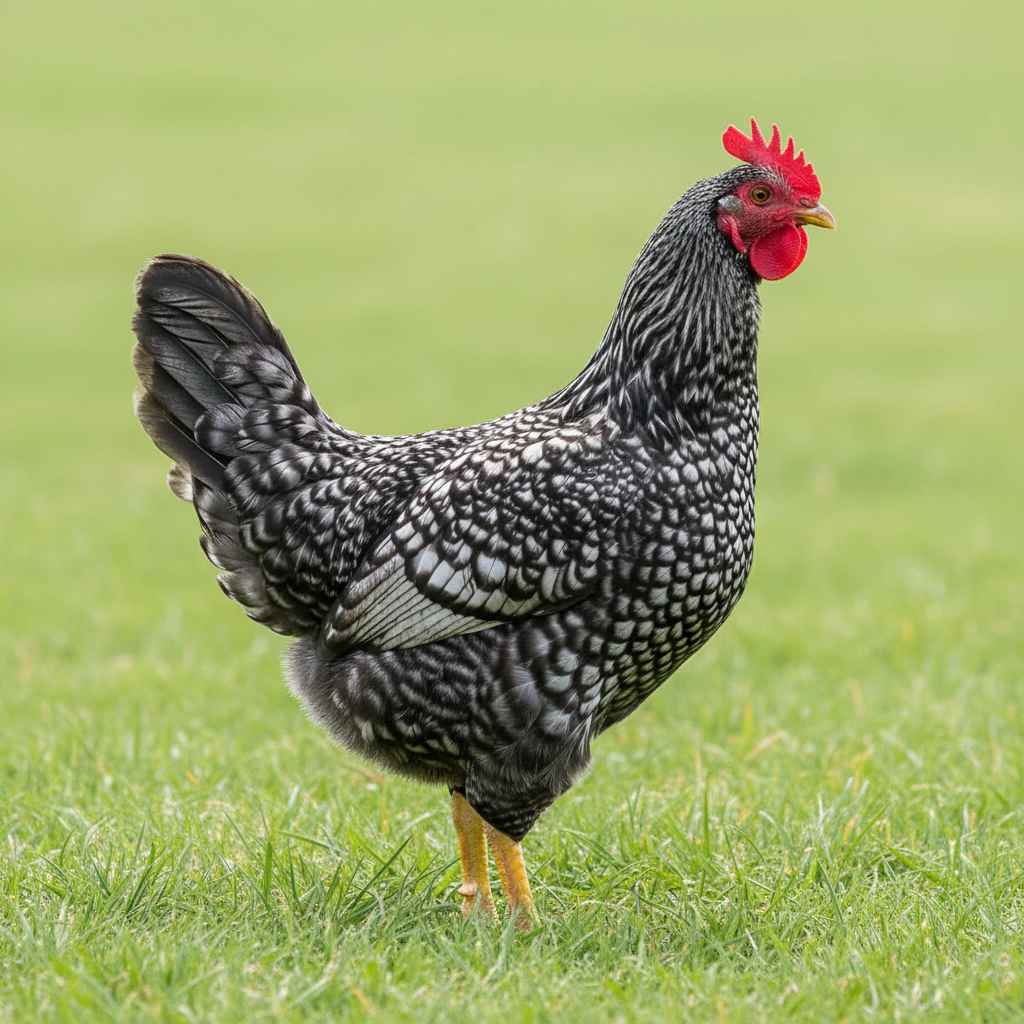
Tough, hardy, and keeps laying further into winter than most breeds.
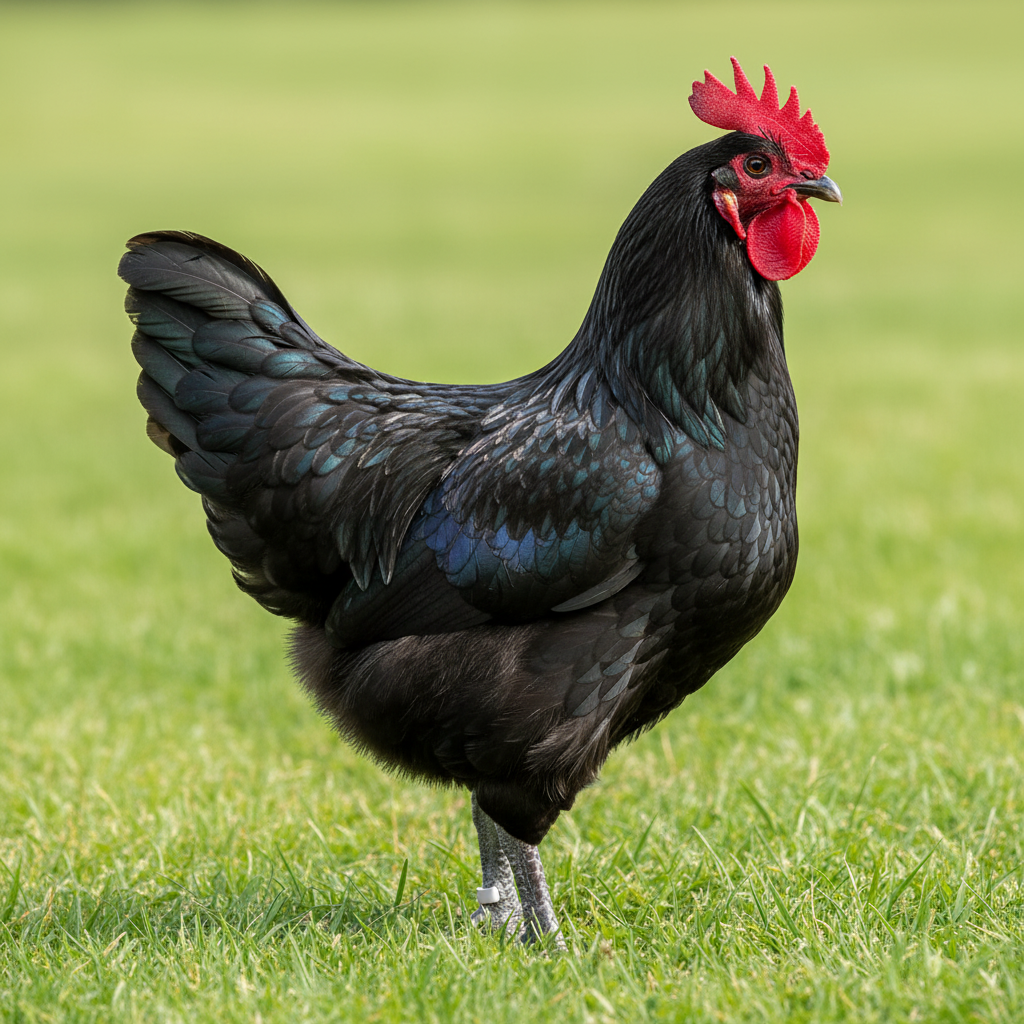
Read full Plymouth Rock breed profile →Glossy black absorbs sun warmth. Lays through cold snaps when others quit.
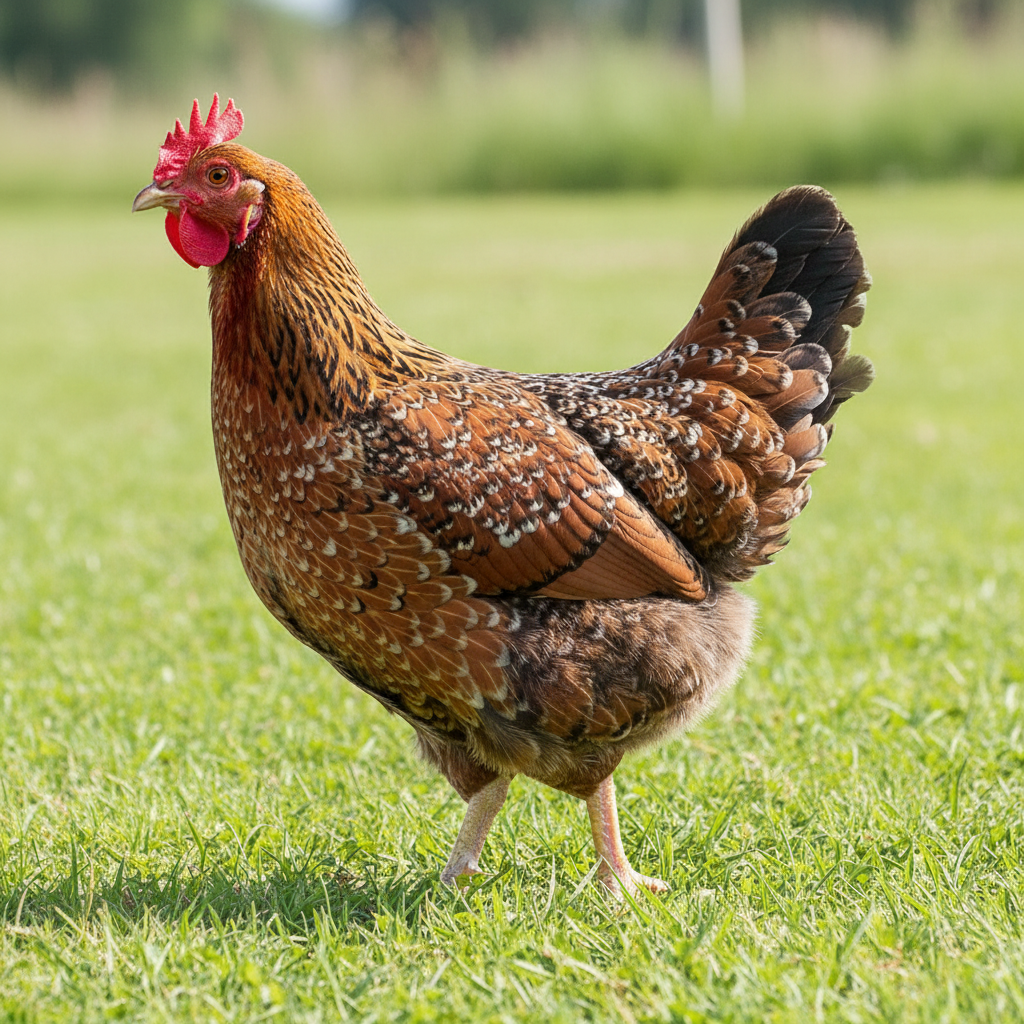
Read full Australorp breed profile →America's oldest breed, rose comb, alert personality, lays well through winter.
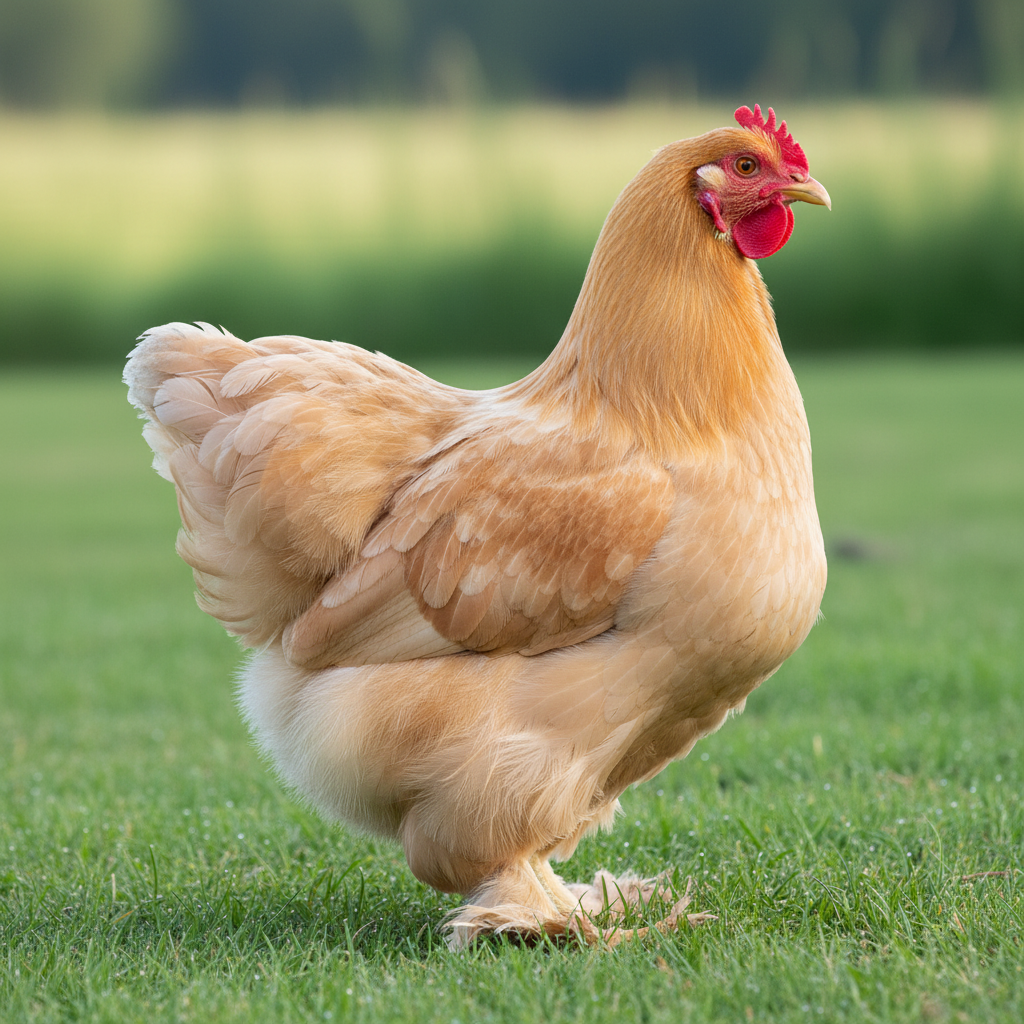
Read full Dominique breed profile →Cushion comb and feathered feet. Slow movers but never seem bothered by cold.
Read full Cochin breed profile →Almost never. Cold-hardy breeds tolerate -20°F if the coop is dry and draft-free. Heat lamps cause more coop fires than they prevent frostbite.
Healthy adult birds of cold-hardy breeds handle -20°F. Below that, focus on dryness, draft elimination, and roosts wide enough to cover feet.
Pick small-comb breeds, keep humidity low (good ventilation), and rub a thin layer of Bag Balm on combs and wattles in deep cold.