1
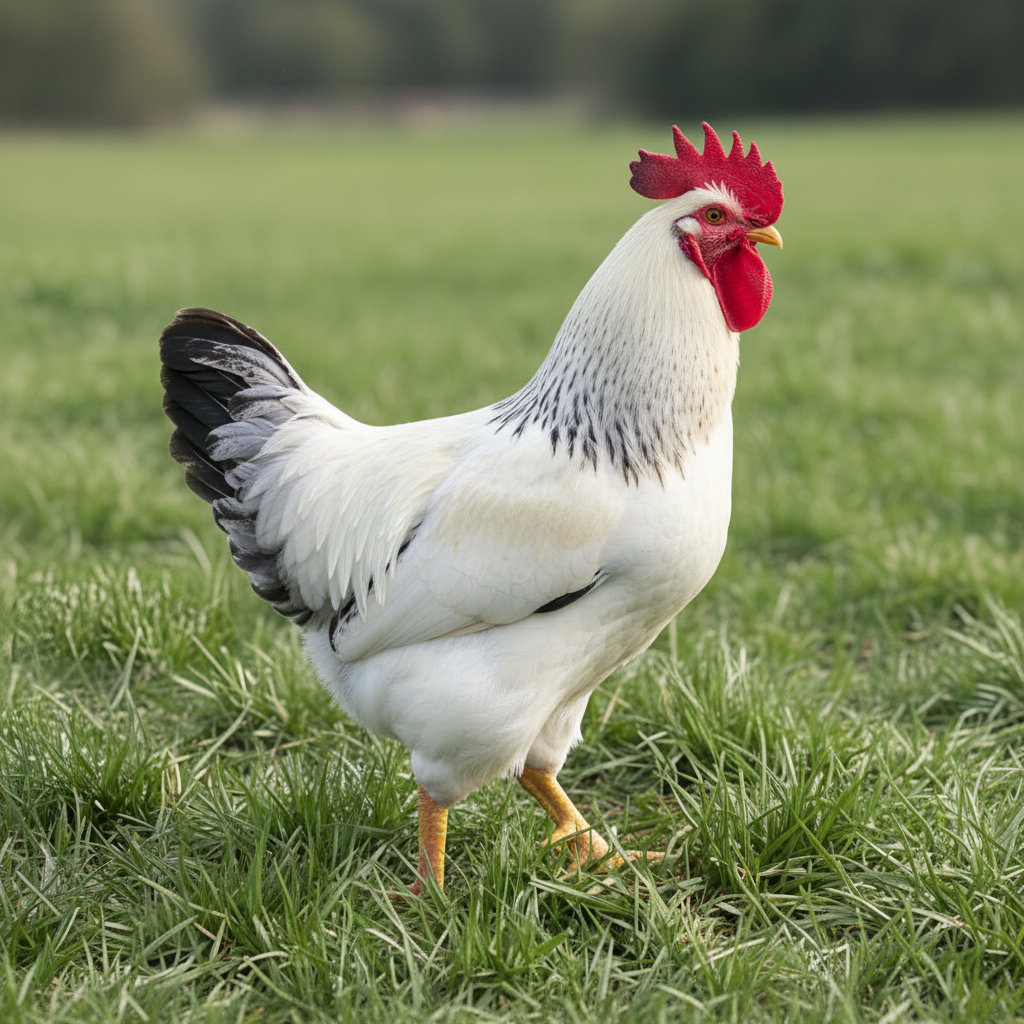
Cornish Cross
The grocery-store bird. Ready at 6-8 weeks. Best feed-to-meat ratio of any breed but health problems if kept long.

Meat birds break into two camps: fast-growing hybrids (8-week harvest) and heritage dual-purpose breeds (16+ weeks but slower, better life). Here are the best of both.
Answer 6 quick questions and our AI matches you to ideal breeds.
Take the Breed Matcher quizThe grocery-store bird. Ready at 6-8 weeks. Best feed-to-meat ratio of any breed but health problems if kept long.
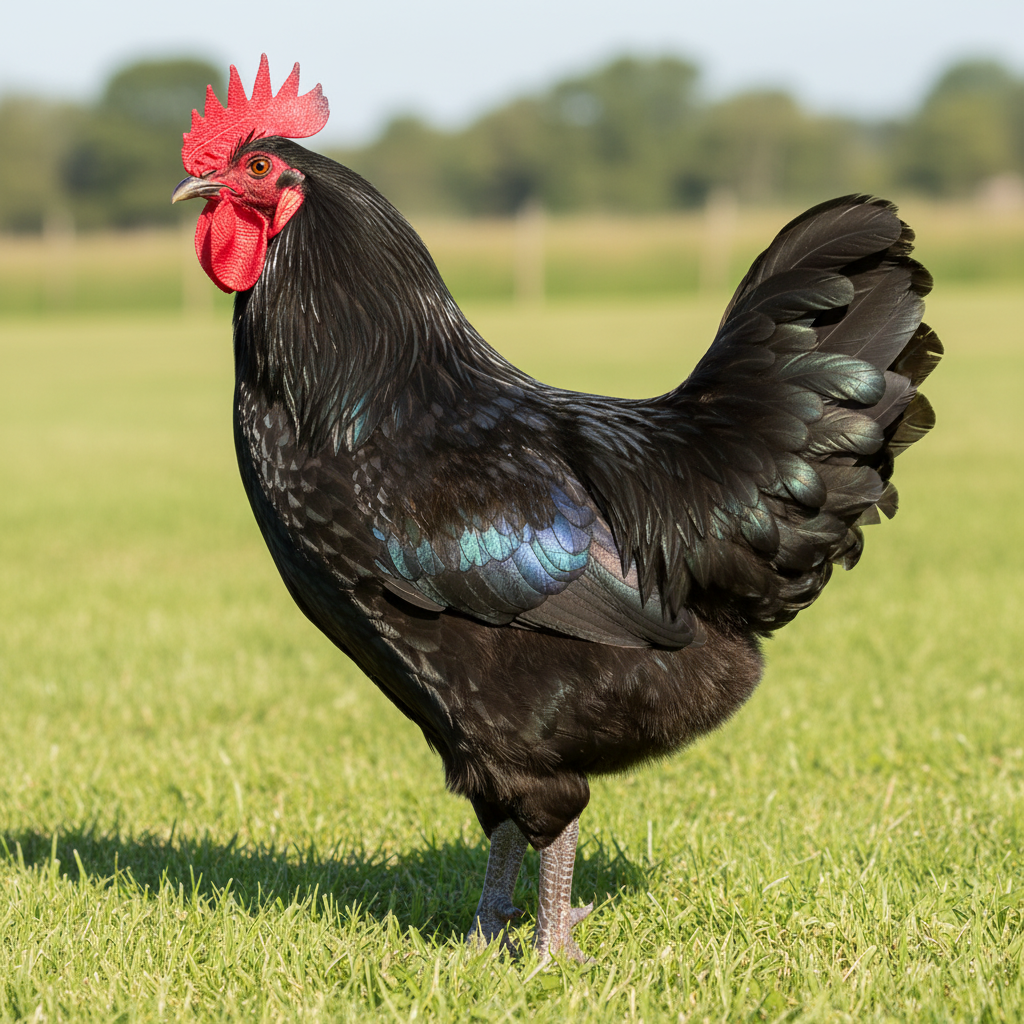
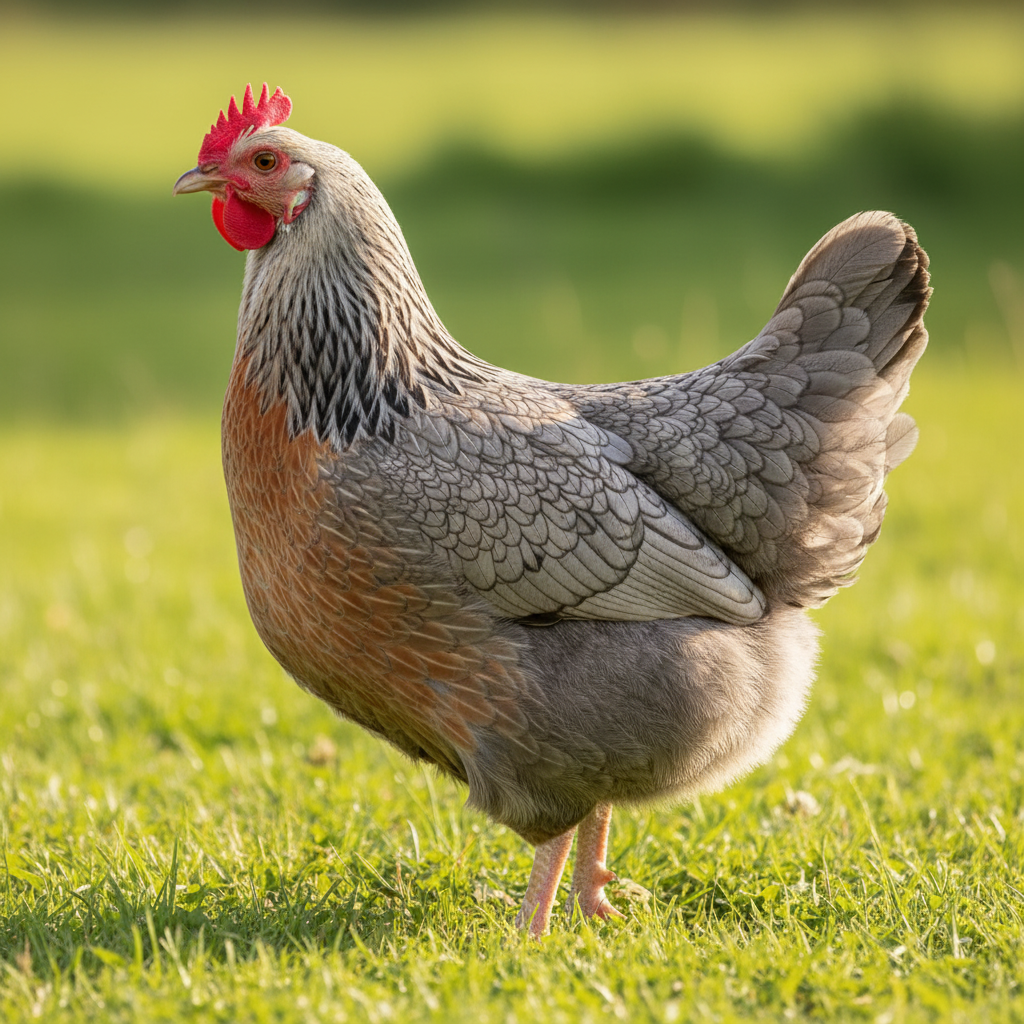
Pasture-friendly hybrid. Ready at 9-12 weeks, slower than Cornish but much hardier and tastier.
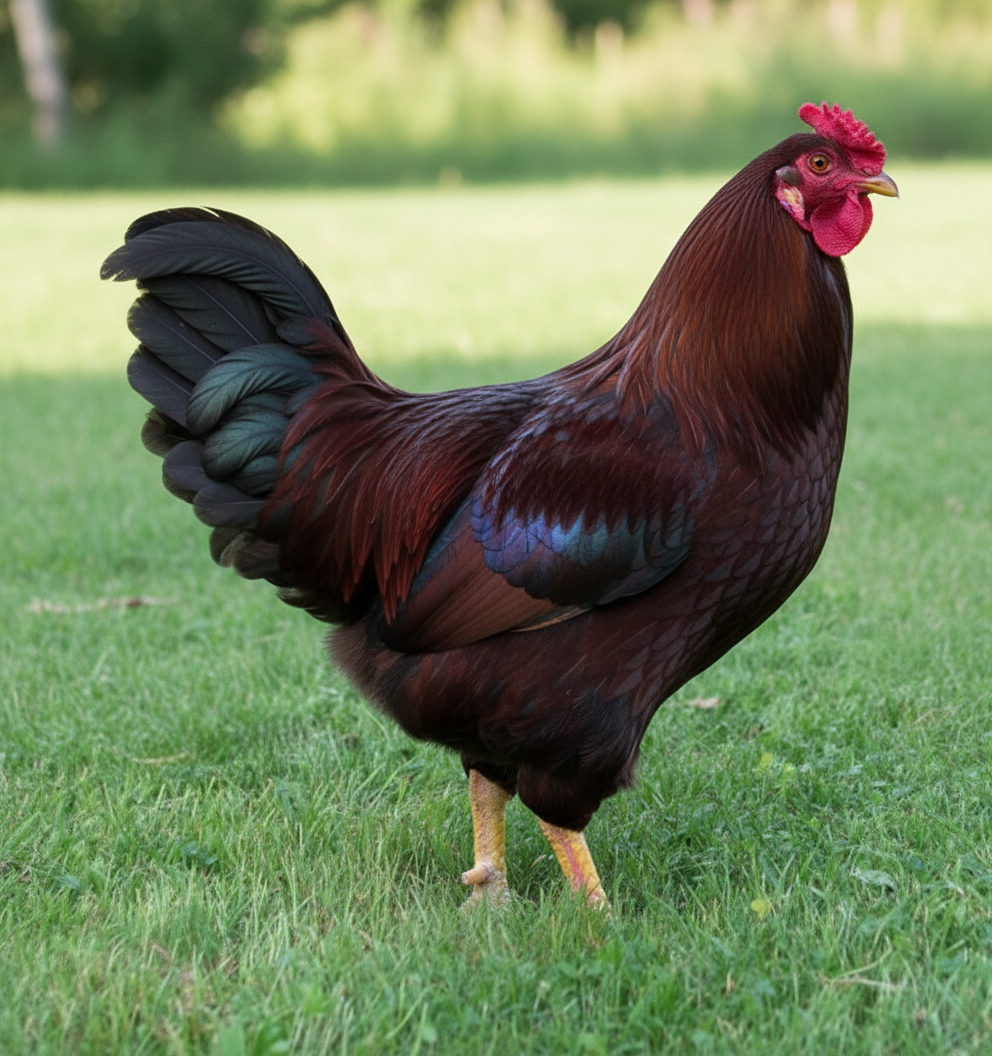
Heritage dual-purpose breed bred for broiler crosses in the 1940s. Lays well too.
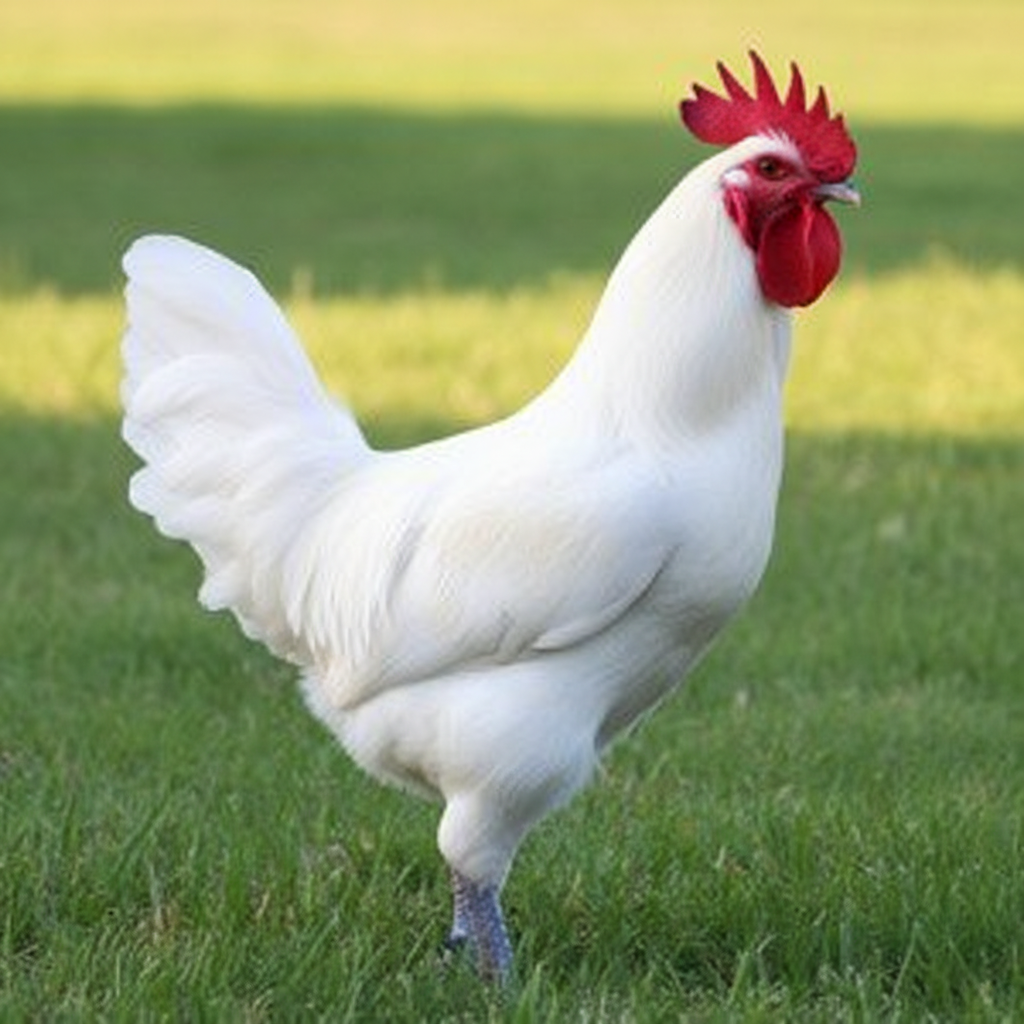
Read full Delaware breed profile →Largest American breed. Slow grower (16-20 weeks) but huge final size.
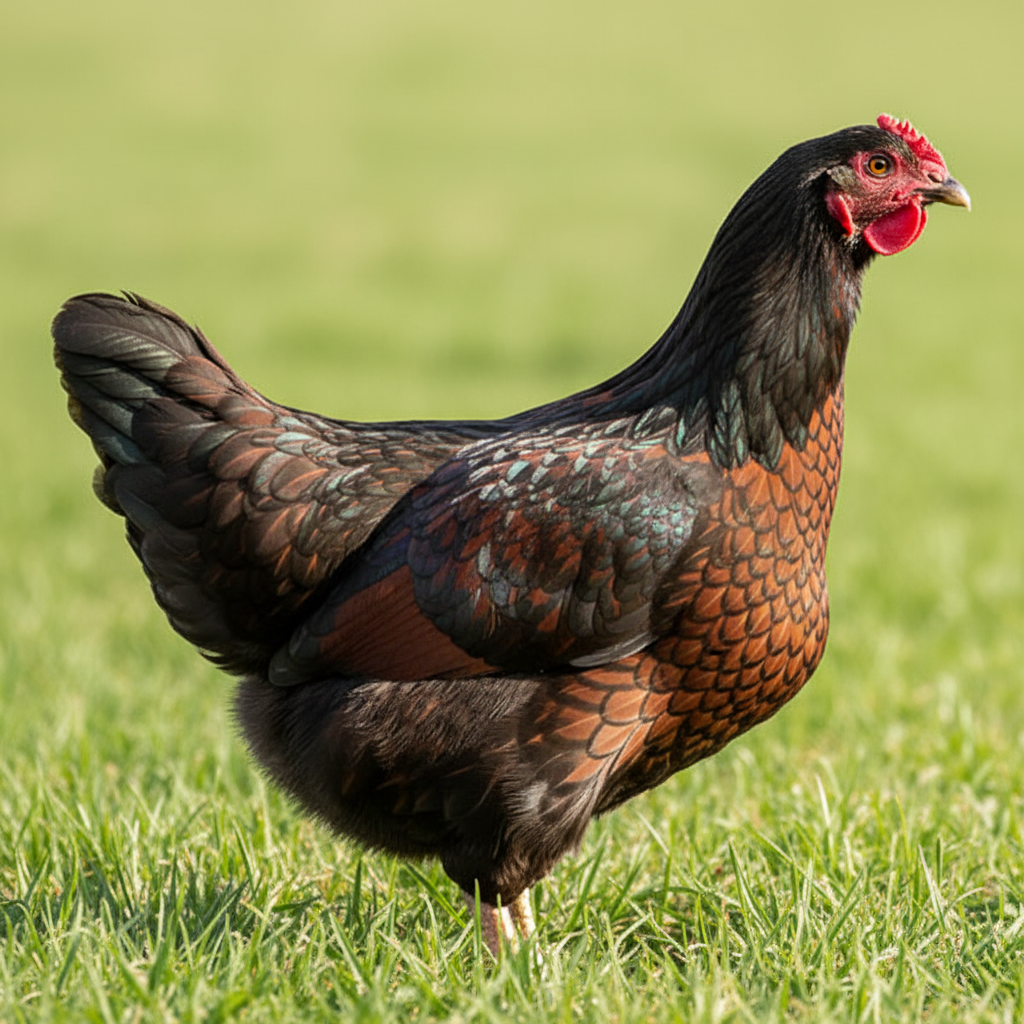
Read full Jersey Giant breed profile →American heritage breed with excellent breast meat for a heritage bird.
Read full Buckeye breed profile →French breed widely considered the best-tasting chicken in the world. Premium pick.
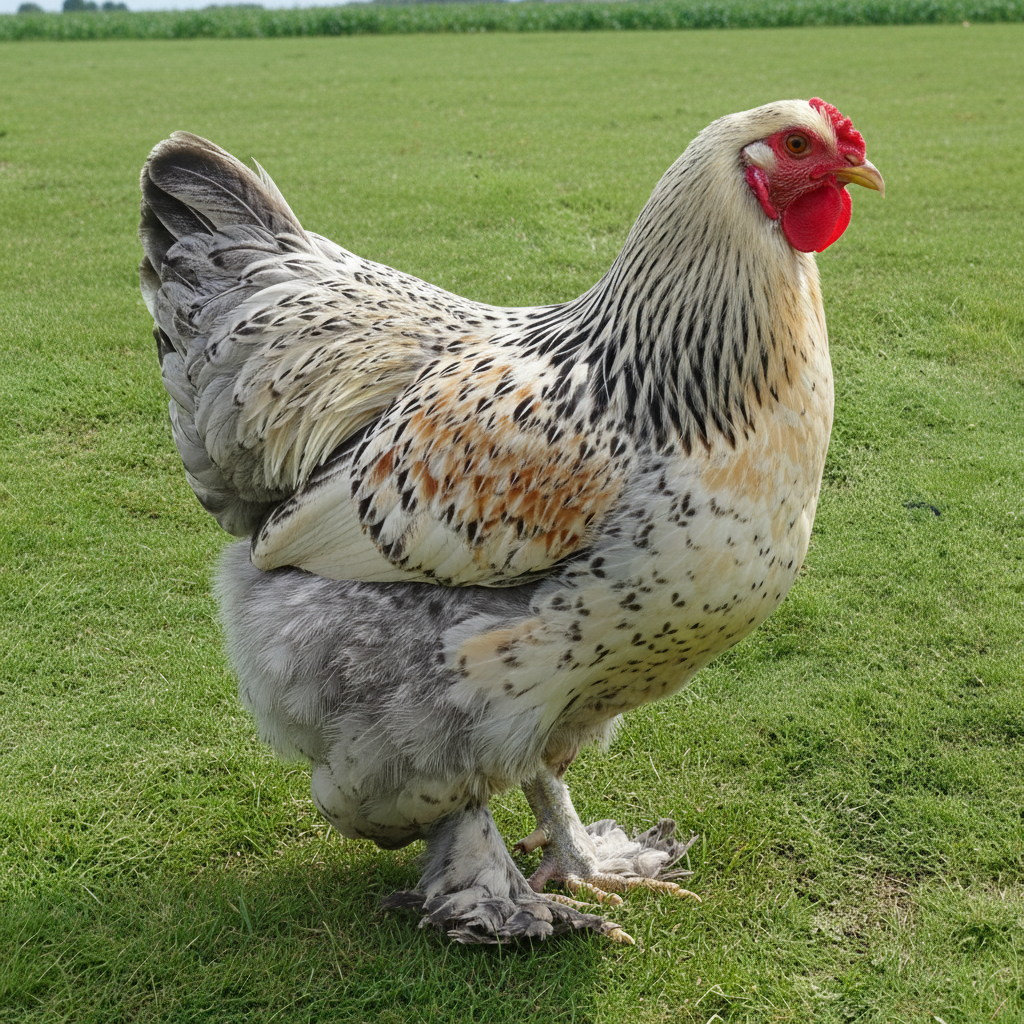
Read full Bresse breed profile →Slow grower but huge. Good for soup or roasting at 12+ months.
Read full Brahma breed profile →Original meat breed (parent of Cornish Cross). Compact, muscular.
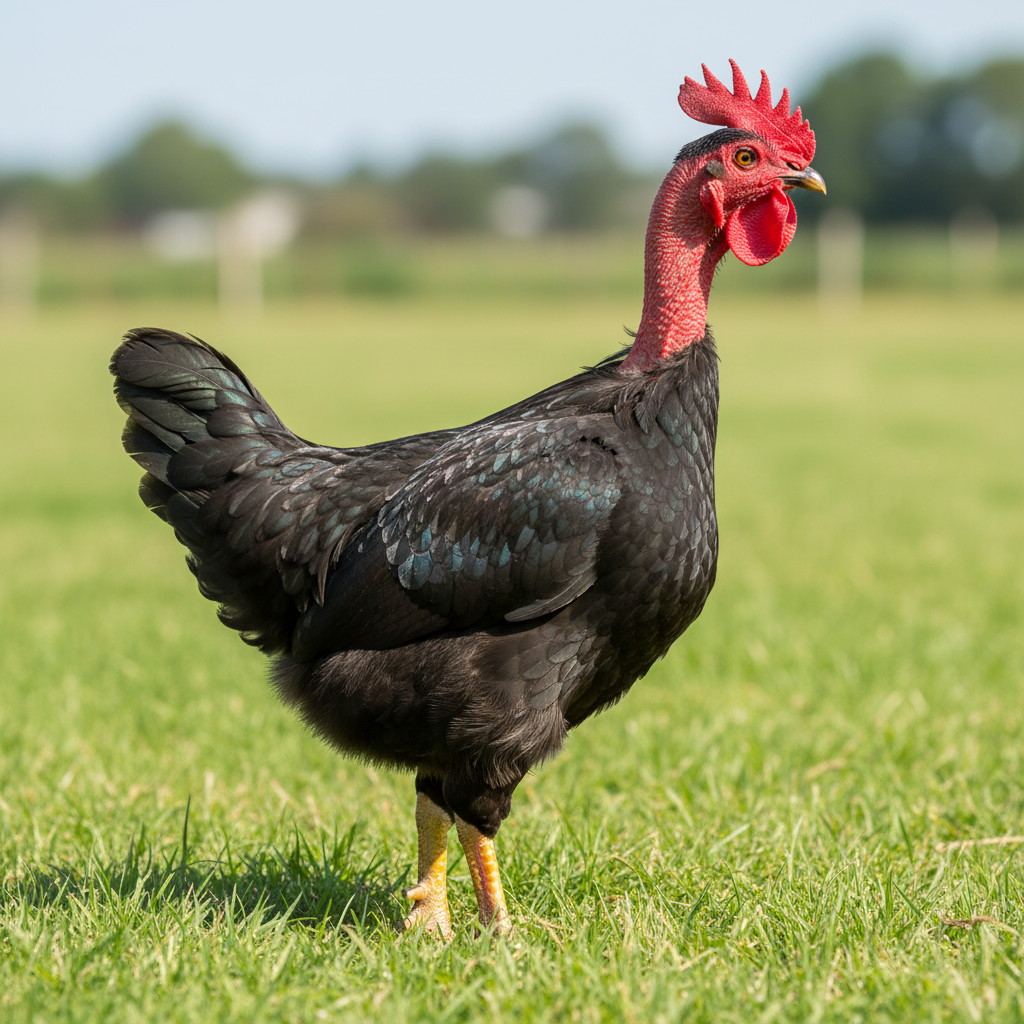
Read full Cornish breed profile →Easy to pluck (already half-bare) and grow at a moderate pace.
Read full Naked Neck breed profile →Cornish Cross: 6-8 weeks. Freedom Rangers: 9-12 weeks. Heritage breeds: 16-24+ weeks.
Yes, older hens make excellent stewing or soup birds. Texture is tougher, so slow-cook them.
Better flavor, better life for the bird, but 2-3× the cost per pound of meat. Worth it for personal use, not for selling cheaply.