
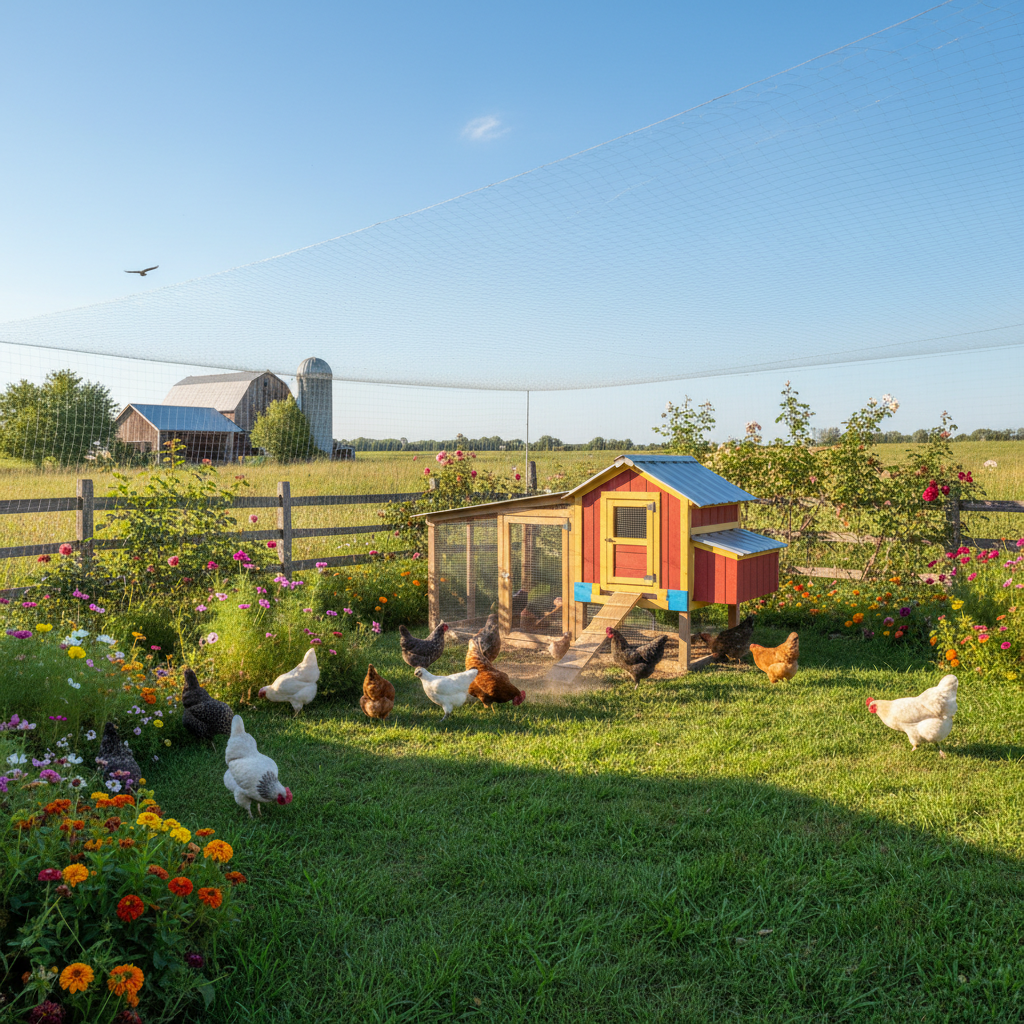
Aerial Predator Protection
By The Coop Team · Updated May 25, 2026
Quick answer
To protect your chickens from aerial predators like hawks and owls, use 2-inch heavy-duty bird netting secured over your run, with 1/2-inch hardware cloth for durability. Create support frames using 2x4 lumber and ensure overlap of at least 6 inches when joining netting. Roosters can enhance flock protection.
Key facts
- Netting Size
- 2 inches
- Overlap Required
- 6 inches
- Hardware Cloth Size
- 1/2 inch
- Support Frame Size
- 2x4 inches
- Netting Cost
- affordable
If you've ever watched a hawk circle above your chickens, you know the heart-stopping feeling. While these magnificent birds are mesmerizing, they pose a real risk to your flock. Thankfully, with a few strategic moves, you can protect your chickens from these aerial predators while respecting their federally protected status.
What Makes Hawks and Owls So Dangerous?
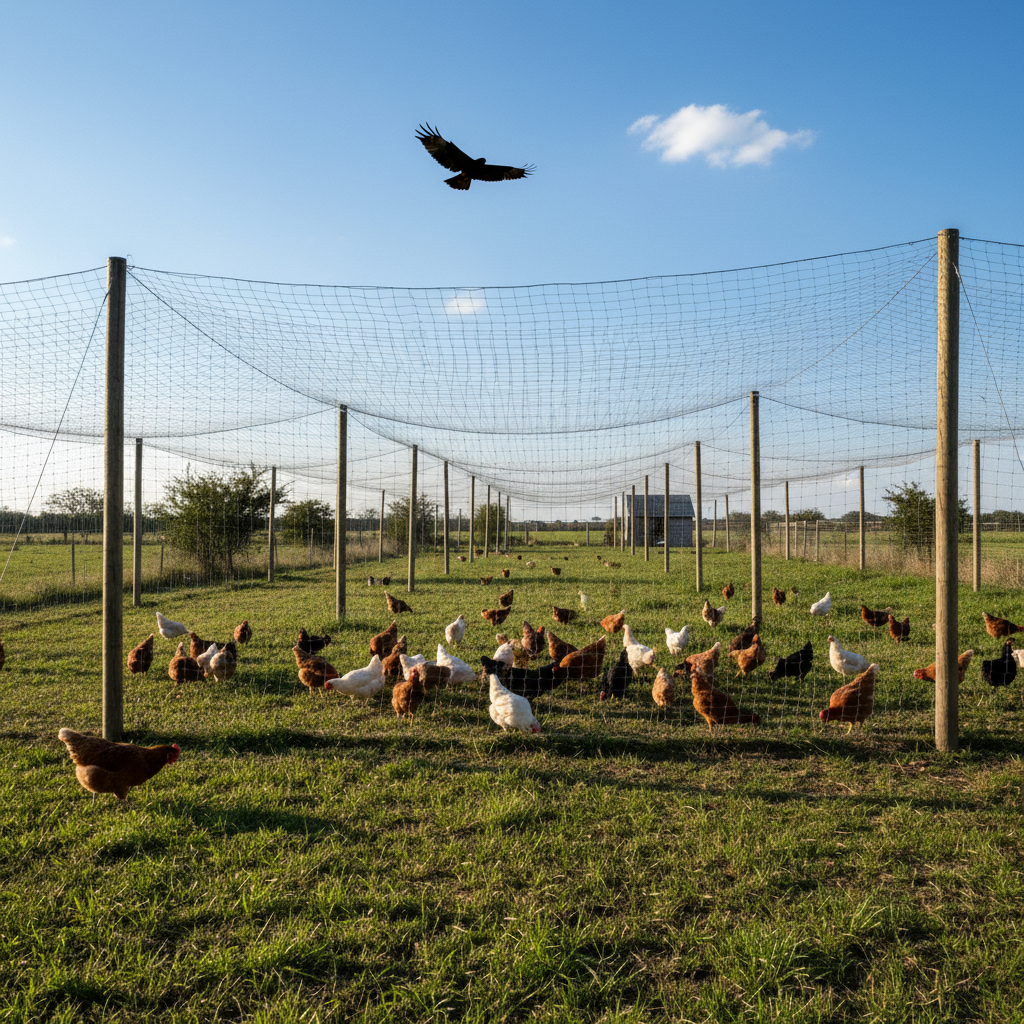
Hawks and owls are skilled hunters with incredible eyesight and stealthy flight. A hawk can spot a meal from hundreds of feet in the air, swoop down at speeds over 120 mph, and carry off a sizable chicken with ease. Owls, with their nocturnal prowess, can silently glide down upon unsuspecting birds at night. Protecting your chickens from these predators is not just about day or night, but about understanding their hunting patterns.
How to Use Netting and Wire for Protection
One of the most effective ways to protect your flock is to physically block predators from access. Here’s how:
- Netting: Use 2-inch heavy-duty bird netting stretched tightly over your chicken run. It's affordable and available at most farm supply stores. Make sure it's secured down to the ground to prevent predators from sneaking in.
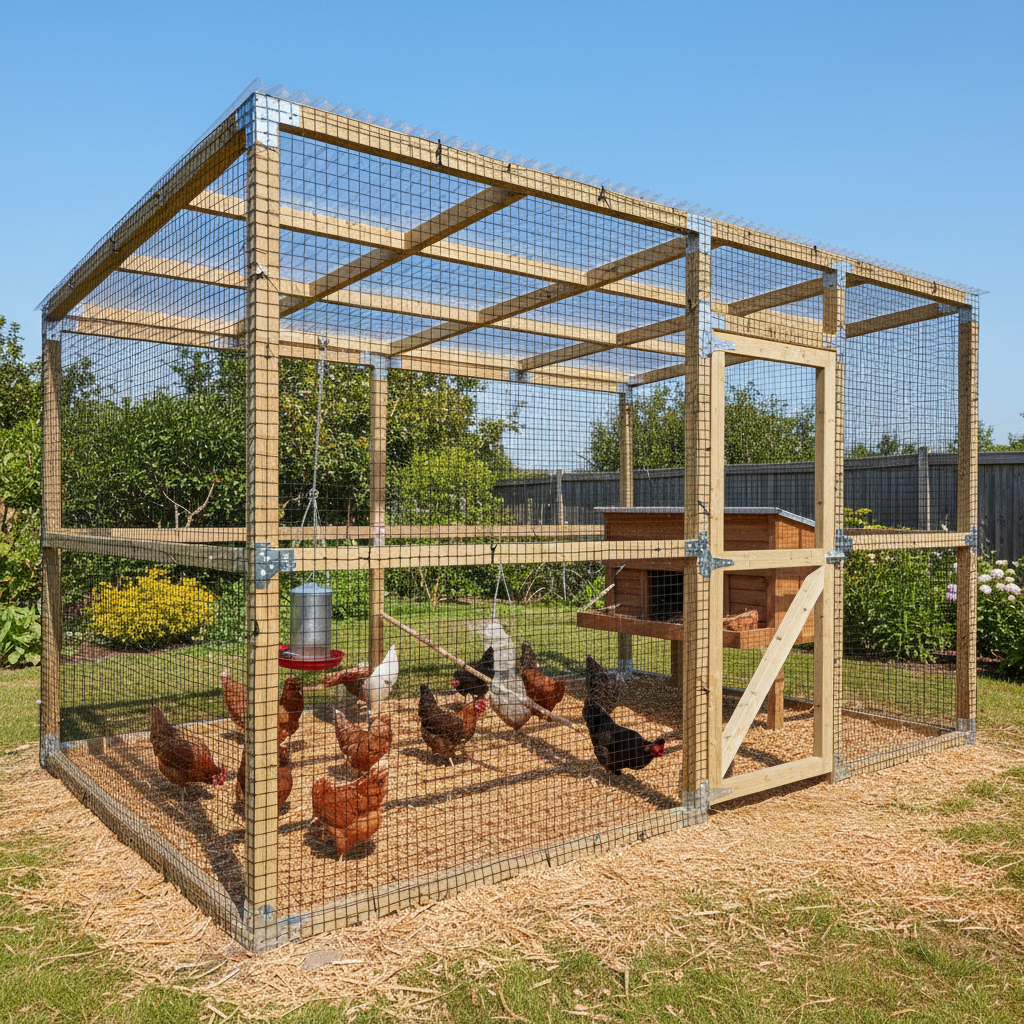
- Hardware Cloth or Wire: For a sturdier option, 1/2-inch hardware cloth is a solid choice. It’s more durable than chicken wire and can withstand harsh weather for years. Attach it securely to wooden or metal frames.
Installation Tips
- Support Frames: Use 2x4-inch lumber or metal piping to create a frame for your netting or wire. In windy areas, the extra support keeps everything in place.
- Overlap Sections: When joining pieces of netting or wire, overlap them by at least 6 inches and secure with zip ties or hog rings.
Natural Cover: Creating a Safe Haven
Beyond the physical barriers, providing cover within the run can give your chickens a safe place to hide. Here are some ideas:
- Low Shrubs: Plant shrubs like butterfly bush or lilac within the run. These not only offer quick cover but also add a touch of beauty to your space.
- Rooster Umbrellas: Install a simple 'rooster umbrella' (a wooden or metal frame with a tarp) for instant protection. Chickens naturally seek sheltered spots when danger looms.
Rooster Guardians: Nature’s Alarm System
Roosters have keen senses and are often the first to spot aerial threats. They’ll sound a loud alarm call, giving hens time to seek cover. If you’ve got space and your local laws allow roosters, adding one to your flock can enhance its protection.
Scare Tactics: What Works and What Doesn’t?
While not foolproof, scare tactics can deter aerial predators, especially when combined with other methods.
- Reflective Tape and CDs: Hang these around your run. The flashing light can confuse hawks and owls, keeping them at bay temporarily.
- Scarecrows: A classic choice, but update it with movement or sound features to keep predators guessing.
- Kites and Balloons: Some folks find success with kite-shaped hawks or colored balloons, but don’t rely solely on these tactics, as birds can grow accustomed to them.
Legal Considerations: Understanding Federal Protections
Hawks and owls are protected under the Migratory Bird Treaty Act, making it illegal to harm or harass them. Focus on preventative measures rather than lethal ones. If you’re dealing with persistent problems, contact your local wildlife service for guidance.
Frequently Asked Questions
Can I use electric fencing for aerial predators?
Electric fencing is more effective for ground predators such as raccoons or foxes. It doesn't deter birds from above.
Do certain chicken breeds offer better protection against hawks?
Breeds like the Australorp and Plymouth Rock can be more vigilant and hardy, but no breed is fully hawk-proof.
Can I use decoy owls or hawks?
Decoy predators can be effective for short periods. Move them regularly to prevent hawks or owls from realizing they’re fake.
How do chickens react to aerial threats?
You may notice panicked clucking, hiding under cover, or freezing in place. Observant chickens learn to recognize the shadow of a hawk overhead.
Is there a breed of rooster more alert to aerial predators?
Roosters of any breed can be vigilant, but larger breeds like Brahma often have a commanding presence that can deter predators.
For those of us living in hawk and owl country, it's essential to strike a balance between enjoying these raptors and keeping our flocks safe. With thoughtful planning, you can ensure your chickens have the protection they need without crossing any legal lines.
Got questions or your own tips?
Jump into the community and swap notes with other backyard chicken keepers.
Discuss in the community →Comments
Sign in to join the conversation.