

Newcastle Disease
A reportable viral disease with respiratory, digestive, and neurological signs. Virulent strains kill flocks fast. Contact your state vet or USDA APHIS at the first suspicion.
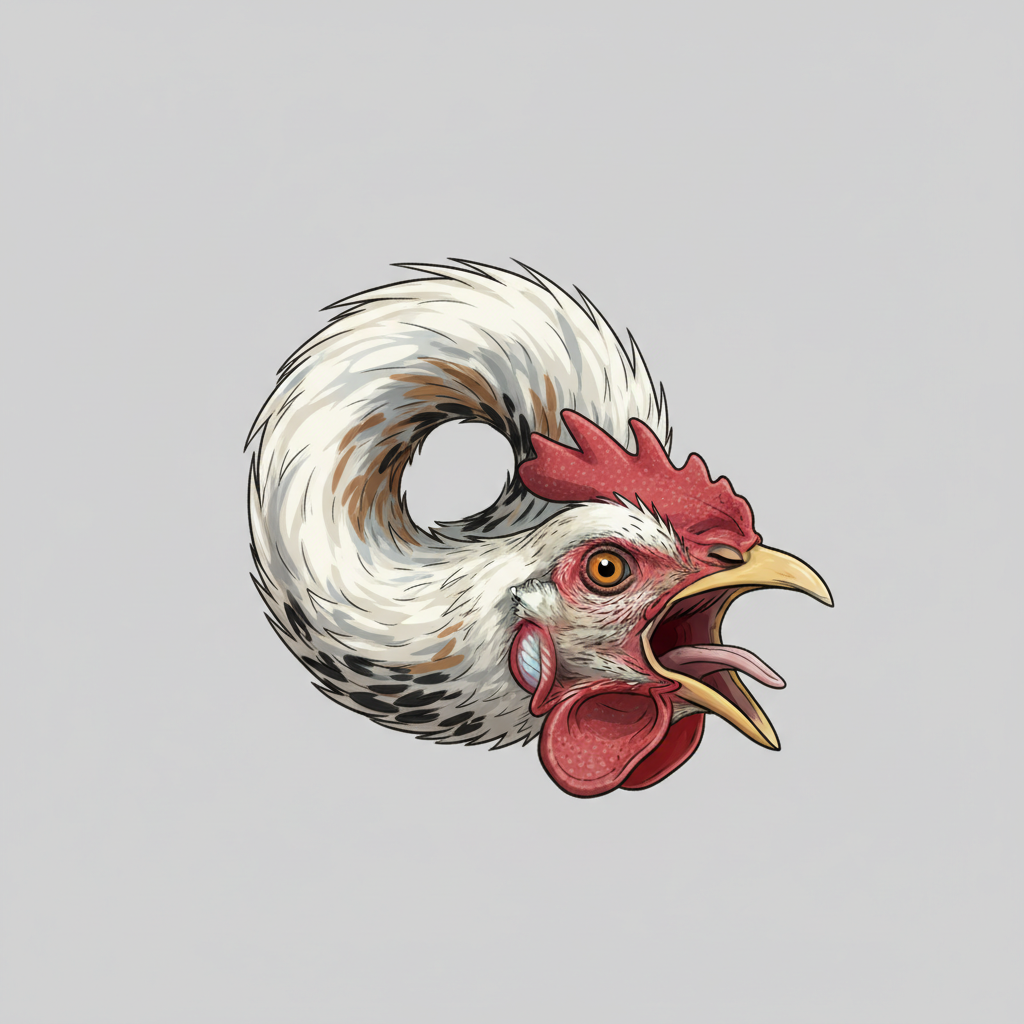
Mix of AI illustrations and anonymized real cases shared by community keepers. Visual severity varies by bird, age, and stage.
Symptoms
- Sudden death
- Twisted neck / star gazing
- Paralysis
- Greenish watery diarrhea
- Gasping / open mouth breathing
- Drop in egg production
Treatment
There is no cure. Report the suspicion to your state veterinarian or APHIS (1-866-536-7593 in the US). Quarantine the property. Supportive care only while you wait for guidance.
Prevention
Practice strict biosecurity. Avoid contact with wild birds. Use dedicated boots and clothing in the coop. Vaccination programs exist in commercial flocks. Quarantine all new birds and any returning from shows.
What to do if you suspect Newcastle disease
Newcastle disease is a viral disease of birds. Mild strains are fairly common and cause light breathing signs. Virulent Newcastle disease is very different. It spreads fast, kills large numbers of birds, and is a reportable disease. If you suspect it, you must contact your state veterinarian or extension office. Fast reporting is the best protection for your flock and every flock near you.
Signs that should make you call right away
- Sudden deaths, sometimes several birds in a day.
- Gasping, coughing and sneezing.
- Nerve signs like trembling, twisted necks, circling, paralysis of legs or wings.
- Swelling around the eyes and neck.
- Green, watery diarrhea.
- Sudden drop in laying and thin or misshapen eggs.
Step by step
- Call your state veterinarian or extension office. Describe what you see and follow their instructions.
- Do not move birds, eggs, manure or equipment off your property.
- Keep dead birds bagged and cool, away from pets and wildlife, until officials tell you what to do with them.
- Keep all visitors away from your birds.
- Keep the flock confined and away from wild birds.
How to tell this apart from look-alikes
Newcastle disease and avian influenza look very alike, and only a lab test can tell them apart. Both are reportable. A single twisted neck in an otherwise healthy flock is more often wry neck from injury or vitamin issues. Paralysis that climbs from the legs up after birds ate rotting material is more like botulism. Slow, mild breathing signs without deaths are more typical of mycoplasma or bronchitis. When in doubt, report.
Protecting yourself
Newcastle disease can cause mild eye irritation in people who handle infected birds, usually red, watery eyes. Wear gloves and eye protection if you must handle sick or dead birds. Wash your hands, change clothes and shoes, and keep children away from sick birds.
Prevention
- Buy birds from reputable, tested sources.
- Quarantine new birds for about a month.
- Keep wild birds away from feed and water.
- Do not share equipment, and clean your shoes after visiting other flocks or feed stores.
- Be careful with birds that come from outside legal channels. Illegally imported birds have spread virulent Newcastle in the past.
The Defend the Flock page has more.
Eggs and the rest of the flock
Do not eat, sell or share eggs from a flock suspected of Newcastle disease. Follow officials' instructions. There is no home treatment, and home remedies do not cure it.
Common questions about Newcastle disease
Is Newcastle disease reportable?
Yes. Contact your state veterinarian or extension office if you suspect it.
Can humans catch Newcastle disease?
It can cause mild eye irritation in people, but it is not a serious human illness.
Is there a vaccine for Newcastle disease?
Yes. Ask a vet whether it makes sense for your flock and area.

