
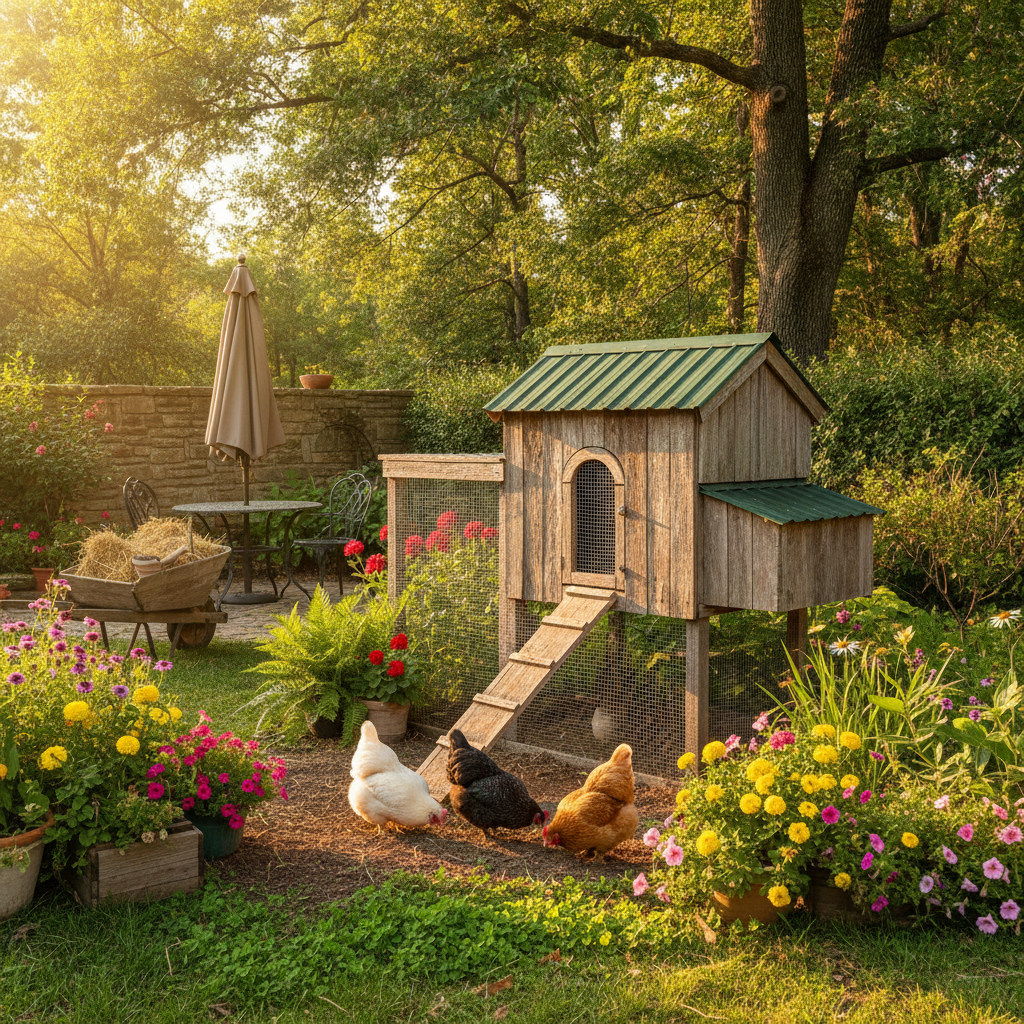
Raising Backyard Chickens in Lexington: Tips for Success
By Mara K. · Updated August 3, 2026
Quick answer
Raising backyard chickens in Lexington, KY, involves selecting heat-tolerant breeds like Rhode Island Reds and providing 4 to 5 square feet per bird in the coop. Ensure coops have good ventilation to handle summer highs of over 90°F and manage humidity. Check local supply options in neighborhoods like Chevy Chase or Beaumont.
Key facts
- Coop space per bird
- 4 to 5 square feet
- Summer temperature highs
- 90 to 95°F
- Popular breed egg production
- 250 to 300 eggs/year
- Recommended wire gauge
- 1/2 inch hardware cloth
- Humidity in summer
- 80%+
If you're thinking about raising backyard chickens in Lexington, you're in luck. With the city's humid-subtropical climate, the key is to choose the right breeds and set up a coop that suits the local weather. The summer months can get pretty steamy with highs frequently reaching 90 to 95°F, so ventilation in your coop is a must.
Best Chicken Breeds for Lexington
In Lexington, picking the right chicken breeds can make or break your flock's success. Rhode Island Reds are a fantastic choice, laying around 250 to 300 eggs a year and handling heat quite well. Rhode Island Red breeds are known for their hardiness and egg production. You might also consider Leghorns or Easter Eggers, both of which are suited for the humid conditions here.
Building the Perfect Coop: Space and Ventilation
Each chicken should have about 4 to 5 square feet of space in the coop itself. When building or buying a coop, check out our coop plans for ideas. Use 1/2 inch hardware cloth to predator-proof your run and coop, and make sure to include plenty of ventilation to combat the Kentucky humidity.
Increased ventilation will help prevent health issues that can arise from too much moisture and heat buildup. Summer humidity levels often exceed 80%, so fans or additional vents might be necessary.
Local Regulations and Supplies
Before setting up your coop, be sure to check local ordinances. The Fayette County ordinances will provide specifics on how many chickens you can legally keep. Once you're ready to get started, you'll find everything you need at local feed stores in neighborhoods like Chevy Chase or Beaumont. For more specific supply needs, you can check our local feed and supply page for Lexington.
Managing Health in Humid Conditions
The humid climate of Lexington can be a breeding ground for mites and worms, so proactive health management is critical. Regular deworming and monitoring for mites can save you a lot of trouble down the road. For more on keeping your flock healthy, see our chicken health and outbreak map for insights.
Coping With the Climate: Seasonal Considerations
Spring frost dates in Lexington typically occur around late April, so plan your chick arrivals accordingly. Summers can be intense with heat indices rising above 100°F, which means your chickens will need plenty of shade and water. Strategic placement of the coop in a shaded part of your yard can help. For more weather insights, check the NOAA climate data to prepare for unexpected weather changes.
FAQ
How many chickens can I keep in Lexington?
Check with Fayette County ordinances to find the specific limits on the number of chickens allowed per household.
What feed is best for chickens in Lexington?
Look for feeds from local suppliers that fit your flock's needs; popular brands include Purina and Kalmbach.
Are there local vets for chickens?
Yes, there are local vets familiar with poultry. Check our chicken doctor directory for more information.
Final Thoughts from the Coop
Raising backyard chickens in Lexington can be a rewarding venture if you pick good breeds, build a well-ventilated coop, and stay on top of health management. Whether you’re in Chevy Chase, Beaumont, or even nearby Nicholasville, the right setup will ensure your flock thrives.
More for Lexington chicken keepers
Got questions or your own tips?
Jump into the community and swap notes with other backyard chicken keepers.
Discuss in the community →Comments
Sign in to join the conversation.