
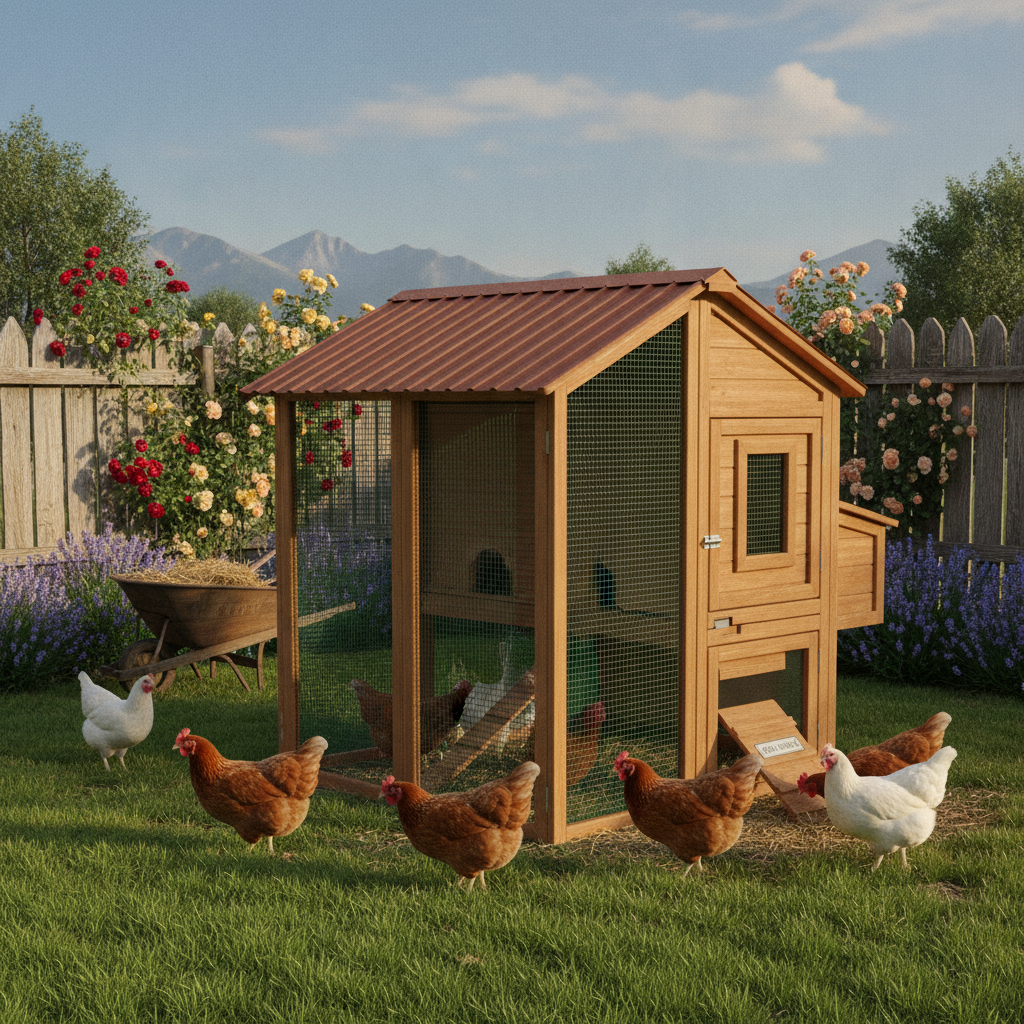
Predator Proofing Chicken Coops in Reno
By Mara K. · Updated October 4, 2026
Quick answer
Predator proofing chicken coops in Reno involves using 1/2 inch hardware cloth, securing doors and windows with robust latches, and considering the arid desert climate. Reno's low humidity and summer highs over 100°F require solid coop construction to protect chickens from both predators and heat.
Key facts
- Hardware cloth size
- 1/2 inch
- Summer highs
- 100°F+
- Recommended breeds
- 5
- Frost date
- late October
- Humidity level
- 15-20%
Reno, Nevada, offers a unique challenge for backyard chicken keepers. Between the extreme heat of summer and the chilly desert nights, there's a lot to consider. Making sure your chicken coop is predator-proof is crucial. Here in areas like Old Northwest Reno, South Meadows, and even over in Sparks, folks have to contend not only with the weather but also with clever critters looking for an easy meal.
What Gauge Wire is Best for Predator Proofing in Reno?
Using 1/2 inch hardware cloth is the best choice for predator proofing chicken coops in Reno. This type of wire is sturdy enough to keep out raccoons, skunks, and even the neighbor's persistent dog. I learned this the hard way when I first started out and used some old chicken wire. Big mistake! That stuff is too flimsy for determined predators. Reno's climate can also be harsh on materials, so make sure the wire is galvanized to withstand both the blazing sun and cold nights.
How to Secure Doors and Windows Against Predators
Robust latches and locks on coop doors and windows are essential for keeping predators at bay. In Reno's neighborhoods like Spanish Springs, raccoons and coyotes are known for their dexterity. Avoid simple hook locks, as these can be easily opened. Instead, use padlocks or carabiner-style latches that require opposable thumbs to open. It might sound like overkill, but believe me, it's worth the peace of mind.
Building Materials Suitable for Reno's Climate
When you're building or reinforcing a coop in Reno, use materials that can handle both heat and cold. Here, we see summer highs soar above 100°F with humidity often dipping to 15-20%. I've used plywood and 2x4s, but painted or treated wood will last longer in this environment. Providing shade and ventilation is crucial, and a misting system can be a lifesaver during those scorching afternoons. Explore some DIY coop plans to find designs that incorporate these features.
Why Choosing the Right Chicken Breeds Matters
Selecting the right breeds for Reno's climate is just as important as predator-proofing. Breeds like Leghorns, Rhode Island Reds, and Easter Eggers thrive here due to their heat tolerance. In my backyard, these breeds have not only handled the climate but also dodged local predators effectively. For more insight on breeds that do well in Reno, check our comprehensive breed guides.
Understanding Local Predator Behavior
Predators in Reno, such as bobcats and coyotes, are more active during dawn and dusk. It's crucial to have your chickens safely locked up in their coop during these times. I've noticed that using motion-activated lights or small radios can deter these nighttime visitors. The Nevada Department of Wildlife offers additional resources on dealing with local wildlife, which can be quite helpful.
Where to Buy Supplies in Reno
For folks living in neighborhoods like Damonte Ranch or North Valleys, local feed stores provide all the necessary supplies. Check out our Reno feed and supply page for a list of trusted spots to get everything from hardware cloth to feed brands like Purina or Kalmbach.
Final Thoughts from the Coop
Living in Reno comes with its fair share of challenges, but with proper planning, your backyard flock can thrive. From understanding local predator patterns to choosing the right breeds and materials, keeping your coop secure is possible. If you're worried about any health issues, see our chicken health map or consult a local chicken doctor for advice. Happy chicken keeping!
More for Reno chicken keepers
Got questions or your own tips?
Jump into the community and swap notes with other backyard chicken keepers.
Discuss in the community →Comments
Sign in to join the conversation.