
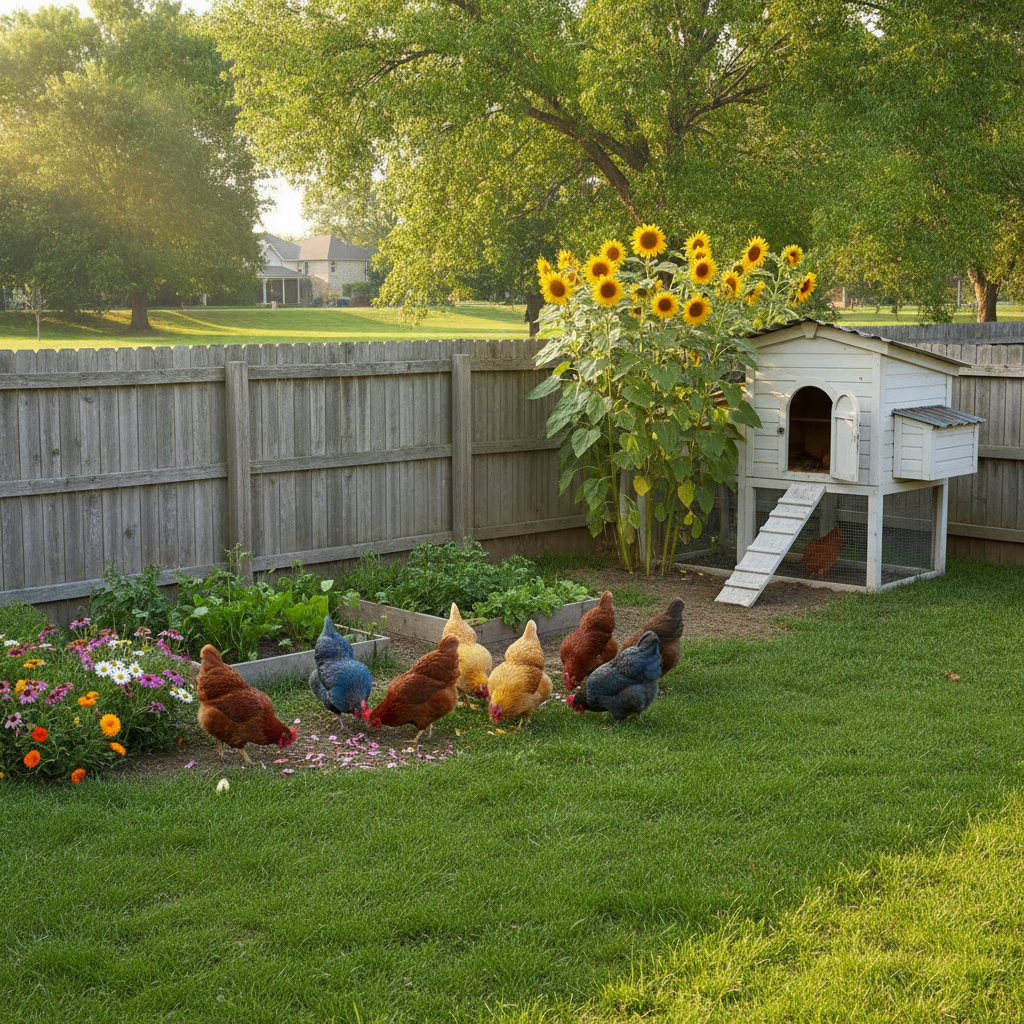
Understanding Chicken Keeping Laws in Chattanooga
By Mara K. · Updated October 12, 2026
Quick answer
In Chattanooga, up to 6 hens per household are allowed, though roosters are often prohibited. Coops must be 25 feet from any neighboring residence. The local climate in areas such as St. Elmo and Hixson requires heat-tolerant breeds and proper coop ventilation.
Key facts
- Max hens
- 6
- Rooster policy
- Prohibited
- Coop distance
- 25 feet
- Summer highs
- 90°F
- Frost-free period
- April to October
Chattanooga's chicken keeping laws allow residents to have up to 6 hens, but roosters are usually prohibited. This keeps the peace in neighborhoods like St. Elmo and Hixson, where folks appreciate their quiet Sunday mornings. Chicken coops must be at least 25 feet from any neighboring residence, so check your yard space before getting started.
Coop Regulations and Space Requirements
Chicken coops in Chattanooga need to be properly placed and sized. Not only do they have to be 25 feet away from neighboring homes, but they should also provide at least 2 to 4 square feet per bird inside the coop. This ensures your flock can stay cool during those blistering summer days, where temperatures often hit 90°F with high humidity.
For plans that meet local codes, check out our coop plans page to get started. The right coop design can make a big difference in keeping your hens healthy and productive.
Choosing the Right Breeds for Chattanooga
Given the humid subtropical climate, it's wise to choose heat-tolerant breeds. Leghorns, Rhode Island Reds, and Easter Eggers do well here, handling both the heat and the humidity. These breeds are not only resilient but also provide a good egg supply. Learn more about them on our breed guides for Leghorn, Rhode Island Red, and Easter Egger.
Climate Considerations for Your Flock
Chattanooga summers can be harsh, with a heat index often exceeding 95°F. Proper ventilation is key to preventing overheating in your coop. Consider adding windows or vents that can be opened during the hottest months.
The frost-free period here typically stretches from April to October, giving you a good window for raising chicks without worrying about the cold. However, sudden cold snaps can happen in the early spring, so it's always good to be prepared with heat lamps for young chicks.
Managing Pests and Health in the Humid South
The warmth and humidity make Chattanooga a perfect place for pests like mites and worms. Regular deworming and pest control should be part of your routine. Stay informed about potential outbreaks and health issues affecting poultry by checking our health map.
To keep your flock healthy, visit local suppliers such as those listed on our local feed and supply page for quality feed options that suit the humid climate.
Helpful Local Resources
For specific questions or to ensure compliance with city ordinances, check the Chattanooga city website or the Hamilton County government page for the latest updates on animal husbandry laws.
Final Thoughts from the Coop
Raising chickens in Chattanooga can be a rewarding endeavor if you follow the local rules and adjust your practices to meet the climate's demands. Stick to the legal limits, choose the right breeds, and stay informed about health risks, and you'll have a happy, productive flock. Whether you're in Red Bank or East Brainerd, these tips should help you get started on the right foot.
More for Chattanooga chicken keepers
Got questions or your own tips?
Jump into the community and swap notes with other backyard chicken keepers.
Discuss in the community →Comments
Sign in to join the conversation.