
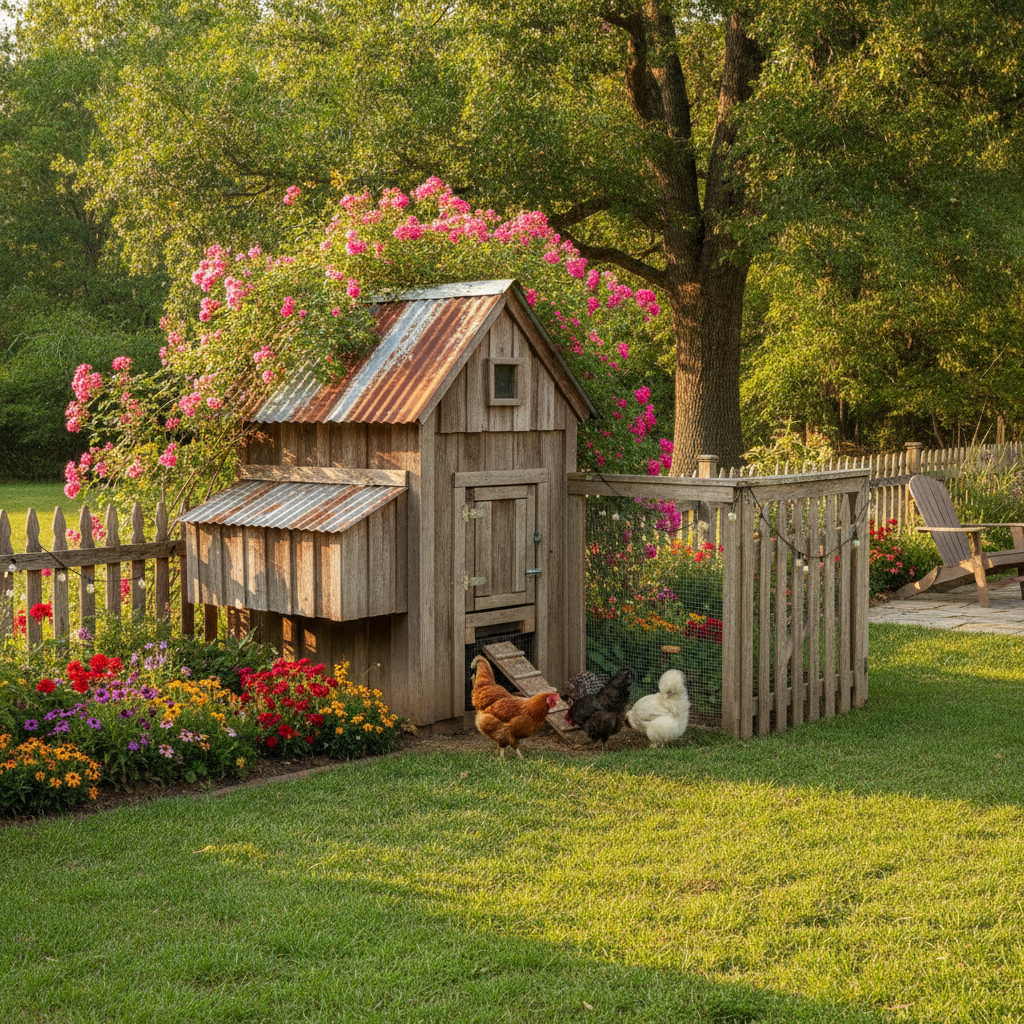
Chicken Coop Ideas for Raleigh Backyards
By Mara K. · Updated October 8, 2026
Quick answer
For Raleigh backyards, chicken coops should provide 4 square feet per bird and aggressive ventilation. Use 1/2 inch hardware cloth for predator-proofing. Heat-tolerant breeds like Leghorns and ventilation are crucial to handle summer highs over 90°F and high humidity.
Key facts
- Space per bird
- 4 square feet
- Hardware cloth gauge
- 1/2 inch
- Summer highs
- 90°F
- Predator-proofing height
- 18 inches
Raleigh, with its unique blend of urban and suburban life, offers plenty of space for backyard chickens. The climate here is humid-subtropical, meaning summers can be long, hot, and sticky. This makes choosing the right chicken coop design crucial.
How Much Space Per Bird in Raleigh?
A chicken coop in Raleigh should provide at least 4 square feet per bird. This space recommendation helps ensure your chickens stay comfortable when temperatures soar above 90°F in the summer. Ventilation is also key, allowing hot, humid air to escape, making the coop more livable. During peak summer months, humidity can make the heat feel even more intense, with the heat index often rising.
In neighborhoods like Cameron Park or Five Points, where urban gardens often maximize smaller spaces, you need to be particularly efficient with your coop design. Raising heat-tolerant breeds like Leghorns can help mitigate the stress that hot summers can bring.
Predator-Proofing Your Chicken Coop in Raleigh
Using 1/2 inch hardware cloth is essential for keeping predators at bay. Raccoons and snakes are common pests in the Raleigh area, so ensuring your coop has robust predator-proofing will save you heartache. Burying the hardware cloth at least 18 inches into the ground can prevent diggers from getting in, which is a common practice around places like Morrisville and Apex, where wildlife tends to roam.
Ventilation and Climate Control
For dealing with Raleigh's summer heat, make sure your coop has plenty of windows or ventilation slots. Position these above the roosting areas to keep the air circulating without chilling your birds in the cooler months. Here in the Carolinas, the cold isn't usually severe, but you should still be aware of frost dates.
Coop plans designed for ventilation and airflow can help maintain a healthy environment. When winter does roll around, chickens like Rhode Island Reds, known for their hardiness, manage well even when it cools off.
Choosing the Right Breeds for Raleigh
Breeds like Leghorns, Rhode Island Reds, and Easter Eggers are excellent choices due to their heat tolerance and egg production. These breeds thrive in the local climate, offering a reliable source of eggs year-round, even when summer temperatures push the mercury.
The local feed and supply stores offer plenty of resources to get you started with the right feed and care supplies, which is a big help in keeping your flock healthy and productive.
Health Considerations in Raleigh's Climate
Raleigh's humid climate can encourage pests like mites and worms, so proactive deworming and regular health checks are critical. Consulting the chicken health and outbreak map can help you stay informed about any local health issues. Regularly check your birds for mites and lice, particularly in the warmest months.
For more local advice, the North Carolina Cooperative Extension provides excellent resources on managing chicken health and dealing with the humid climate.
Final Thoughts from the Coop
Raising chickens in Raleigh means thinking carefully about coop design, breed choice, and health management. With proper planning, your backyard can be both a welcoming home for your chickens and a productive addition to your urban homestead. If any health issues arise, consulting a chicken doctor can provide peace of mind and keep your flock thriving.
More for Raleigh chicken keepers
Got questions or your own tips?
Jump into the community and swap notes with other backyard chicken keepers.
Discuss in the community →Comments
Sign in to join the conversation.