
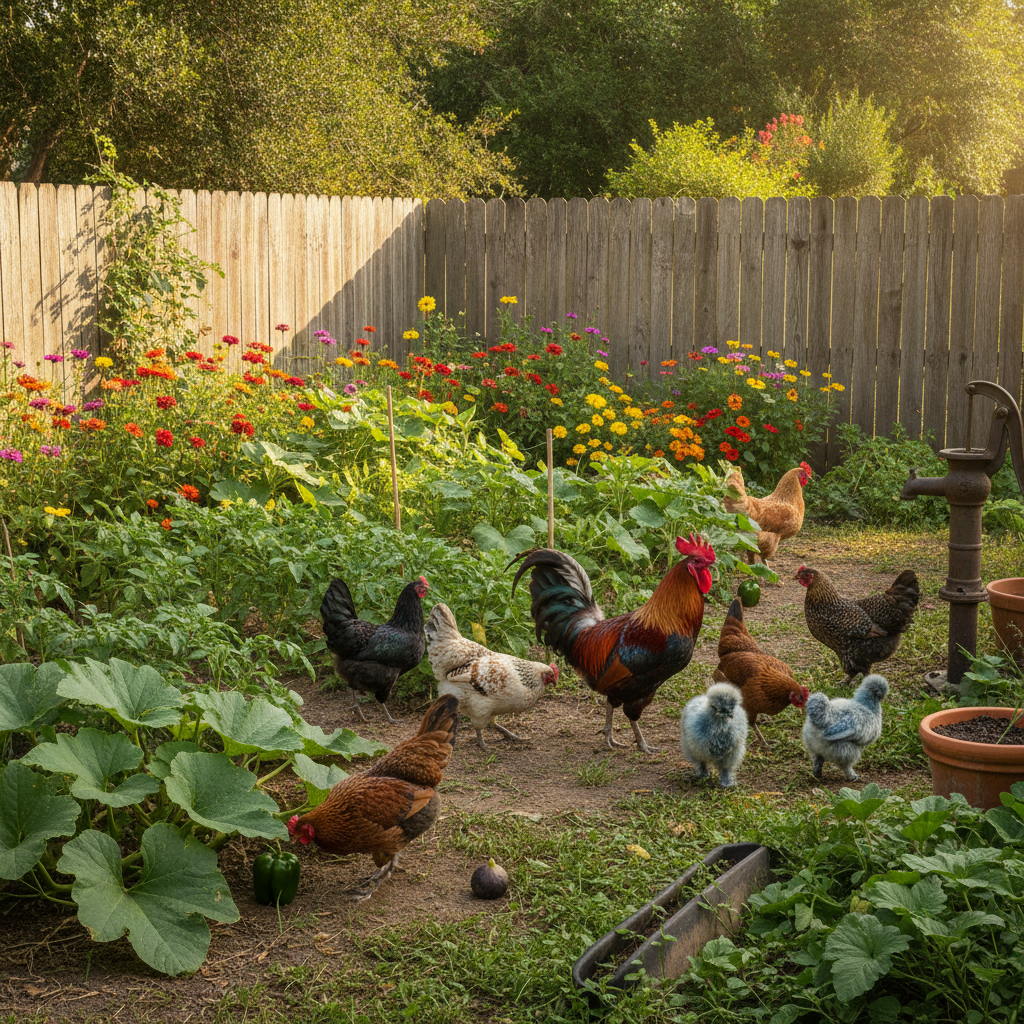
Best Chicken Breeds for New Orleans Weather
By Mara K. · Updated October 5, 2026
Quick answer
In New Orleans, with summer highs reaching 90°F and humid conditions, the best chicken breeds include Leghorns, Rhode Island Reds, and Australorps. These breeds are heat-hardy and thrive with large combs that help them cool down effectively.
Key facts
- Summer Highs
- 90°F
- Recommended Space
- 4 sq ft per bird
- Humidity Levels
- 75% average
- Frost-Free Days
- 300 days/year
If you live in New Orleans, you know the weather can be a bit of a beast. With those scorching 90°F summer highs and humidity levels averaging around 75%, it's crucial to pick chicken breeds that can handle the heat. Luckily, there are a few breeds that thrive in our subtropical climate. Let's dive into the best chicken breeds for New Orleans weather.
What Makes a Good Chicken Breed for New Orleans?
Chickens that flourish here are typically heat-hardy with large combs, which help dissipate heat. They need to be resilient against the sweltering summers and manage well with minimal chill in the winter. Given our mild winters-thanks to over 300 frost-free days per year-you're looking at birds that can primarily focus on keeping cool rather than warming up.
Rhode Island Reds: The Versatile Laying Powerhouses
Rhode Island Reds are a top choice for New Orleans. Known for their high egg production, they lay about 250 to 300 eggs per year. Their rich, mahogany feathers might seem a bit warm for the climate, but these birds are hardy and manage the heat fairly well, especially with proper shade and ventilation in their coop. You can learn more about Rhode Island Reds to see if they're a perfect match for your flock.
Leghorns: Lightweight but Heat-Tolerant
Leghorns are another fantastic option. These birds thrive in heat, thanks to their large combs and slender bodies, which help with temperature regulation. Leghorns are known for their prolific egg-laying abilities, with annual counts hitting around 280 to 320 eggs. In areas like the French Quarter or Metairie, where space might be tight, Leghorns work well as they adapt easily to confined spaces. Check out our Leghorn breed guide to get a feel for their needs.
Australorps: Temperament and Production
Here in New Orleans, the Australorp is appreciated for its calm nature and productive laying-around 250 eggs annually. With their large, deep-colored feathers, they might not seem the heat-tolerant type, but their laid-back temperament often helps them manage stress better in humid conditions. They do well in neighborhoods like Algiers and Gentilly, where gardens provide natural shade.
Essentials for Keeping Chickens Cool
To ensure your chickens stay comfortable in the New Orleans heat, consider the following tips:
- Shade and Ventilation: Position your coop in a shaded area and ensure it has deep ventilation to help air circulate. Our coop plans offer various designs to suit different backyard spaces.
- Frozen Treats: Tossing your birds some frozen corn or chilled watermelon can help them cool down. You might even find supplies at local feeds stores listed on our New Orleans supplies page.
- Hydration: Keep fresh, cool water available at all times to stave off dehydration.
Specific Climate Considerations
According to the National Weather Service, summer heat indexes here can push past 100°F, so it's vital to prepare for these extremes. Additionally, you should be aware of regional chicken health trends by checking our US chicken health map.
Final Thoughts from the Coop
Raising chickens in New Orleans can be rewarding with the right breeds. Consider your local climate, coop setup, and breed characteristics to make sure your flock thrives. Whether you're in Bywater or Uptown, these feathered friends can provide both joy and fresh eggs for your table. For more tips and advice on keeping chickens happy and healthy, head over to our learning section or consult a local chicken doctor if you run into any hiccups.
More for New Orleans chicken keepers
Got questions or your own tips?
Jump into the community and swap notes with other backyard chicken keepers.
Discuss in the community →Comments
Sign in to join the conversation.