
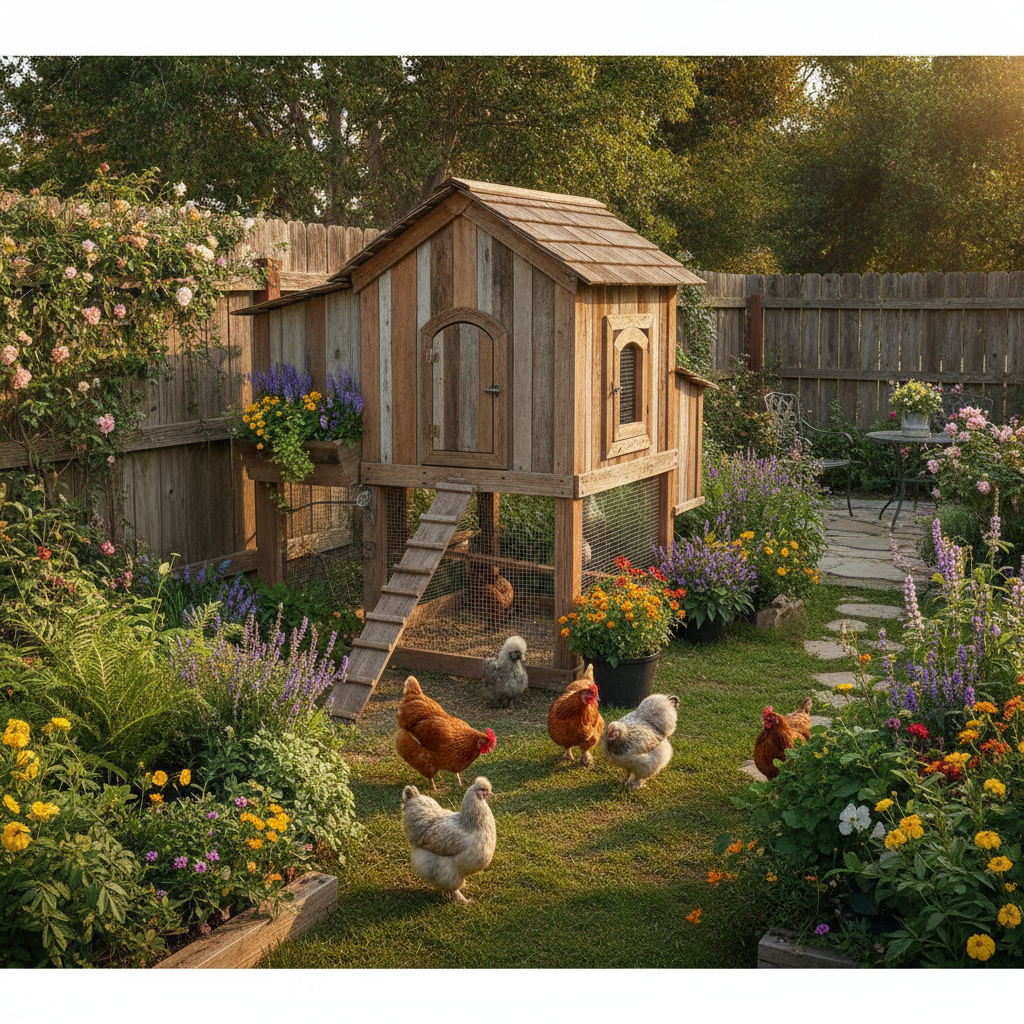
Top Chicken Coop Ideas for San Jose Backyards
By Mara K. · Updated October 1, 2026
Quick answer
Chicken coop ideas for San Jose backyards should provide 4 to 5 square feet per bird and ample summer shade, with sturdy 16-gauge wire to protect against hawks. Include ventilation for hot dry summers and insulation for mild wet winters. Consider breeds like Buff Orpingtons and Rhode Island Reds.
Key facts
- Square feet per bird
- 4 to 5 sq ft
- Predator wire gauge
- 16 gauge
- Summer shade need
- essential
- Recommended breeds
- 5 breeds
- Winter lows
- 40°F
Living in San Jose means you're blessed with a Mediterranean climate, perfect for raising backyard chickens. But with the hot, dry summers and mild, wet winters, your chicken coop needs to be up to the challenge. Whether you're in Willow Glen, Almaden Valley, or nearby Campbell, here are some chicken coop ideas to fit your San Jose backyard.
How Big Should Your Chicken Coop Be?
For San Jose backyards, you'll want to provide about 4 to 5 square feet per bird inside the coop itself. This space ensures your hens are comfortable, even during those cooler winter nights when they might not want to roam as much. In the run, aim for at least 8 to 10 square feet per bird so they have plenty of space to move around. Given the moderate climate here, you can take advantage of open-air designs that enhance ventilation.
I've got 4 Buff Orpingtons and they do just fine with a 20 square foot coop here in the Willow Glen area. You can learn more about the Buff Orpington’s easy-going temperament and egg-laying abilities.
Keeping Cool in San Jose's Hot Summers
San Jose summers can get pretty toasty, with highs often reaching into the 90s Fahrenheit. Your chickens will need some shade and ventilation to stay comfortable. Consider adding shade cloths or planting trees near your coop. Also, ensure your coop has plenty of windows or vents.
Using 16-gauge wire for any parts of the coop exposed to the outside ensures protection from predators such as hawks. Those birds are around year-round, so you’ll need sturdy materials. Our detailed coop plans can help you design a structure that balances ventilation with protection.
Best Breeds for San Jose Backyards
Given the climate, almost any breed will do well, but some top choices include Buff Orpingtons, Australorps, and Rhode Island Reds. These breeds are not only hardy but also great for egg production. Learn more about Rhode Island Reds if you prefer a reliable layer or Australorps if you're interested in a gentle, friendly bird.
Planning for the Wet Winters
Though winters here are mild, you’ll still want to keep your coop dry and cozy. The average low in winter is around 40°F. Ensure your coop is raised off the ground to avoid any dampness, and think about using a deep bedding system to insulate and absorb moisture.
Wood shavings or straw make excellent bedding materials. In my experience, a layer of about 4 to 6 inches works well. A spacious coop with good ventilation will help manage moisture and ammonia levels, keeping your flock healthy.
Local Resources and Regulations
Incorporating your coop into your San Jose landscape might also mean adhering to local regulations. The Santa Clara County website offers insights into any zoning restrictions or permits you might need.
For supplies, check out the local feed and supply stores in San Jose to keep your coop stocked with everything your chickens need, from feed to bedding.
Final Thoughts from the Coop
Keeping chickens in San Jose is a breeze with the right coop setup. Remember to think about space, shade, and protection in your design. With a bit of planning, your backyard can become a haven for your flock, providing you with fresh eggs and endless entertainment. For more tips and advice, head over to our learning center, and if your flock encounters health issues, don't hesitate to consult our chicken doctor service.
More for San Jose chicken keepers
Got questions or your own tips?
Jump into the community and swap notes with other backyard chicken keepers.
Discuss in the community →Comments
Sign in to join the conversation.