Winter Chicken Care Tips for Allentown, PA
By Mara K. · Updated July 17, 2026
Quick answer
Winter chicken care in Allentown, PA requires proper coop preparation to withstand temperatures around 20°F. Insulate the coop, use the deep litter method, and ensure ventilation. Choose cold-hardy breeds like Wyandottes and Brahmas for better survival against frostbite. Increase their protein intake and provide warm treats for energy.
Key facts
- Average winter temperature
- 20°F
- Deep litter method depth
- 4 to 5 inches
- Egg collection frequency
- twice a day
- Recommended feed mix
- corn and layer pellets
- Protein boost
- increase slightly
Raising chickens in Allentown, PA offers its own set of challenges, especially when winter comes knocking at the coop door. With our humid, continental climate, the winter months can get brutally cold, often dipping well below freezing. I've been tending to my flock for a few years now, and every winter is a learning experience. Let's dive into some key winter chicken care tips that'll keep your hens happy and healthy through those frosty months.
How to Prepare Your Coop for Allentown's Winter
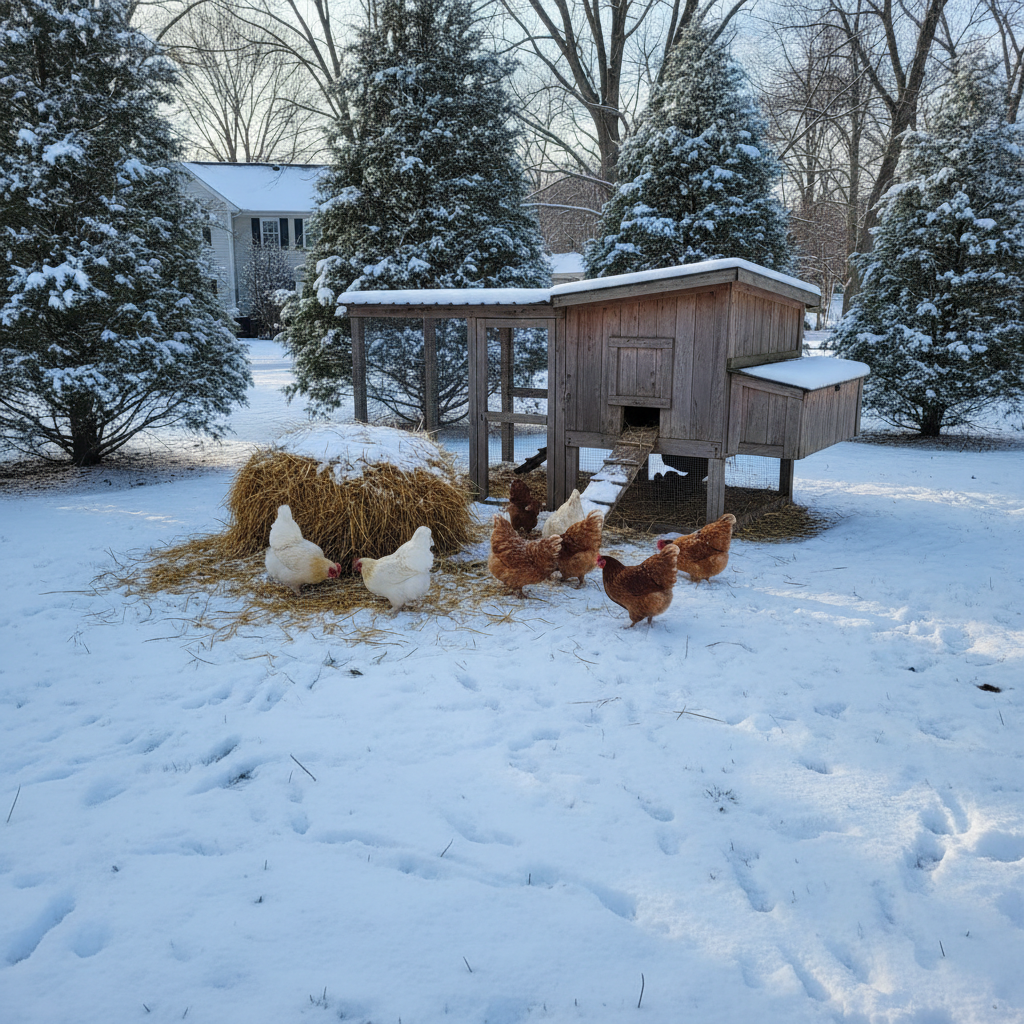
The winters in Allentown can be tough on both us and our birds. December through February sees temperatures plummeting, with an average low around 20°F. In areas like the West End or even neighboring Bethlehem, snow and ice can make things more difficult. To ensure your chickens stay warm, focus on these coop prep tips:
, Insulation: A well, insulated coop is key. Use straw bales or foam board insulation on the coop walls. I found that lining the inside with old carpet remnants works wonders too. , Deep Litter Method: This technique not only keeps your coop warmer but also reduces cleaning frequency. Start with 4, 5 inches of pine shavings or straw on the floor and let it build up naturally. , Ventilation: Make sure you balance warmth with fresh air. Proper ventilation prevents moisture build, up, which can lead to frostbite.
For detailed coop plans that work for Allentown's climate, check out our coop plans guide.
Choosing Cold-Hardy Breeds for Allentown
Not all chickens wear their winter feathers as well as others. Here in Allentown, breeds with rose combs are less prone to frostbite. Consider adding these hardy breeds to your flock:
, Wyandotte: Known for their adaptability and beautiful plumage, learn more about them in our Wyandotte breed guide. , Brahma: These gentle giants are well-suited for cold weather. Get the full scoop in our Brahma breed guide. , Buff Orpington: Friendly and hardy, they're perfect for colder climates. Check out our Buff Orpington breed guide.
Preventing Frostbite Among Your Flock
Frostbite can be a real concern when temperatures get so low. Areas like South Mountain can experience higher winds, which increases the risk. Here’s what I’ve learned to prevent it:
, Apply a thin layer of petroleum jelly on combs and wattles during the coldest spells. , Ensure your coop is draft-free but still well-ventilated. , Keep waterers full of lukewarm water to encourage drinking and prevent dehydration, which exacerbates frostbite.
Feeding Strategies to Keep Your Birds Warm
Chickens need extra energy to stay warm. In the Lehigh Valley, I like to give mine a mix of corn and quality feed. Purina's layer pellets have been a staple in my coop, mixed with some cracked corn as a treat.
, Protein, Rich Diet: Up the protein content slightly to give them the energy boost they need. , Warm Treats: Offer warm oatmeal or cooked rice on those particularly biting mornings.
For local supplies, visit our local feed and supply page for Allentown.
Keeping Your Flock Healthy Through the Cold Months
Cold weather can stress your flock's immune systems, so keep a close eye on their health. Regular checks and a watchful eye can avert problems before they start. Familiarize yourself with potential health issues via our chicken health and outbreak map.
It’s also wise to have quick access to a chicken doctor if something seems off with your flock.
FAQ About Winter Chicken Care in Allentown
What if my coop gets too cold?
Consider using a safe ceramic heat emitter if your coop's temperature drops too low. Just remember, too much heat can be as harmful as too little.
How often should I collect eggs in the winter?
Eggs can freeze and crack if left out too long. Aim to collect them twice a day.
Is it okay to let chickens free range in the snow?
Yes, as long as it's not too deep and they have access to a dry, safe place to return to.
How do I keep water from freezing?
Heated water bowls or a commercial water heater are excellent investments for maintaining a water supply.
Should I change their diet in winter?
Increase their caloric intake with more grains and treats while still providing balanced nutrition.
Stay warm and keep those feathers fluffed! With the right preparation, your Allentown flock can thrive all winter long. For more tips and resources, explore our learning center.
More for Allentown chicken keepers
Got questions or your own tips?
Jump into the community and swap notes with other backyard chicken keepers.
Discuss in the community →Comments
Sign in to join the conversation.