
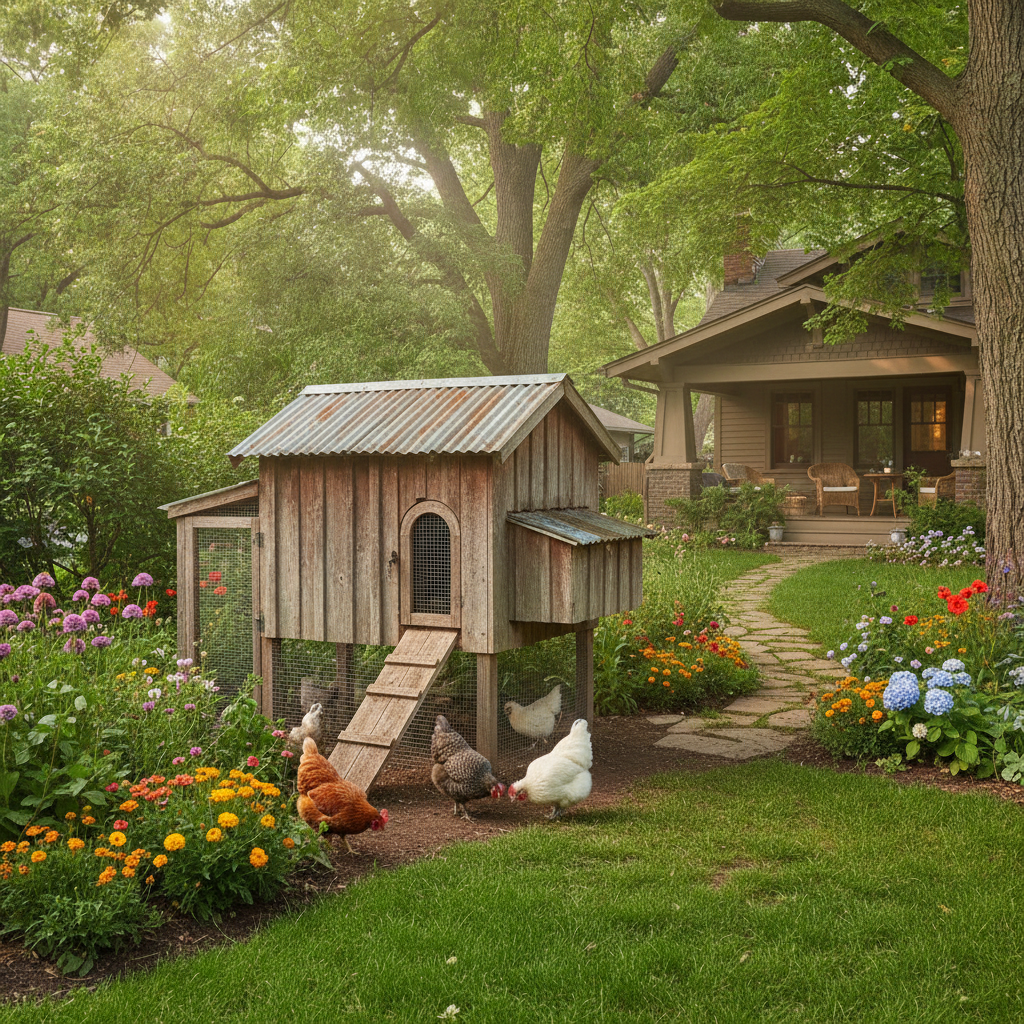
Raising Backyard Chickens in St. Paul
By Mara K. · Updated September 15, 2026
Quick answer
Raising backyard chickens in St. Paul means selecting cold-hardy breeds like Brahmas and Wyandottes and ensuring proper coop insulation. With temperatures often dropping below 0°F in winter, a heated waterer is essential. Your coop should offer at least 4 square feet per bird to keep them comfortable year-round.
Key facts
- Winter low
- -10°F
- Space per chicken
- 4 sq ft
- Heated waterer cost
- $40-$60
- Frost-free days
- 120 days
- Recommended breeds
- 5 breeds
Raising backyard chickens in St. Paul, MN, is an adventure in adapting to the whims of Mother Nature. With brutal winters and short summers, you've got to pick your breeds and equipment wisely. Here, we'll dive into what you need to know to keep your flock happy and healthy.
Best Chicken Breeds for St. Paul's Climate
St. Paul's cold-continental climate demands cold-hardy breeds. Brahmas, Wyandottes, and Buff Orpingtons are some top picks, handling the chill like champs. Brahmas with their feathered feet, can plow through the snow with ease. Wyandottes, known for their friendly nature, are equally tough and well-adapted to Minnesota's weather. For more on these hearty breeds, check out the Wyandotte breed guide and the Brahma breed guide.
Essential Equipment for Winter Chicken Care
A heated waterer is vital when temperatures plunge below zero in St. Paul. This can prevent your coop from turning into an ice rink and ensures your birds stay hydrated. Look to spend $40-$60, but remember, it's money well spent. Plenty of coop plans are available at our coop plans page to help you get started on the right foot with proper insulation and ventilation.
Getting Your Coop Ready for St. Paul's Weather
In Falcon Heights and Maplewood, coops must withstand chilly winds and heavy snowfalls. Insulating your coop with foam board or straw bales can make a world of difference. Each bird needs at least 4 square feet of space to keep them from getting anxious or aggressive, especially when they're cooped up all winter.
Choosing Local Supplies for Your Flock
You'll find plenty of local places to stock up on feed and other supplies. Visit our St. Paul supply page for a comprehensive list of nearby suppliers. They offer everything from Purina feeds to essential equipment that can make the winter months more bearable.
How to Handle Common Health Issues
Keeping your chickens healthy is a priority. Be aware of frostbite in those negative temperatures and watch for signs of respiratory issues. For more about potential health concerns, check our chicken health map or consult with a chicken doctor if needed. Ramsey County Extension provides great resources on poultry care in Minnesota.
Common Questions about Raising Chickens in St. Paul
What's the best time to start raising chicks?
Aim to start your flock in late spring, around May, when frost danger has passed and temperatures average above 70°F.
What are the local regulations for keeping chickens?
Regulations vary, so check St. Paul’s city ordinance page to ensure compliance.
How do I manage chickens in summer heat?
Though summers are short, they can reach the upper 80s°F. Provide plenty of shade and cool water to prevent heat stress.
Can chickens survive St. Paul's winters?
Yes, with the right preparations. Insulated coops and cold-hardy breeds can thrive even when temperatures plummet to -10°F.
Final Thoughts from the Coop
Raising chickens in St. Paul is all about preparation. With the right breeds, equipment, and care, your flock will not only survive but thrive, come rain, snow, or sunshine. For those just starting out or looking for more tips, our Learn page is packed with helpful articles to guide you every step of the way.
More for St. Paul chicken keepers
Got questions or your own tips?
Jump into the community and swap notes with other backyard chicken keepers.
Discuss in the community →Comments
Sign in to join the conversation.