
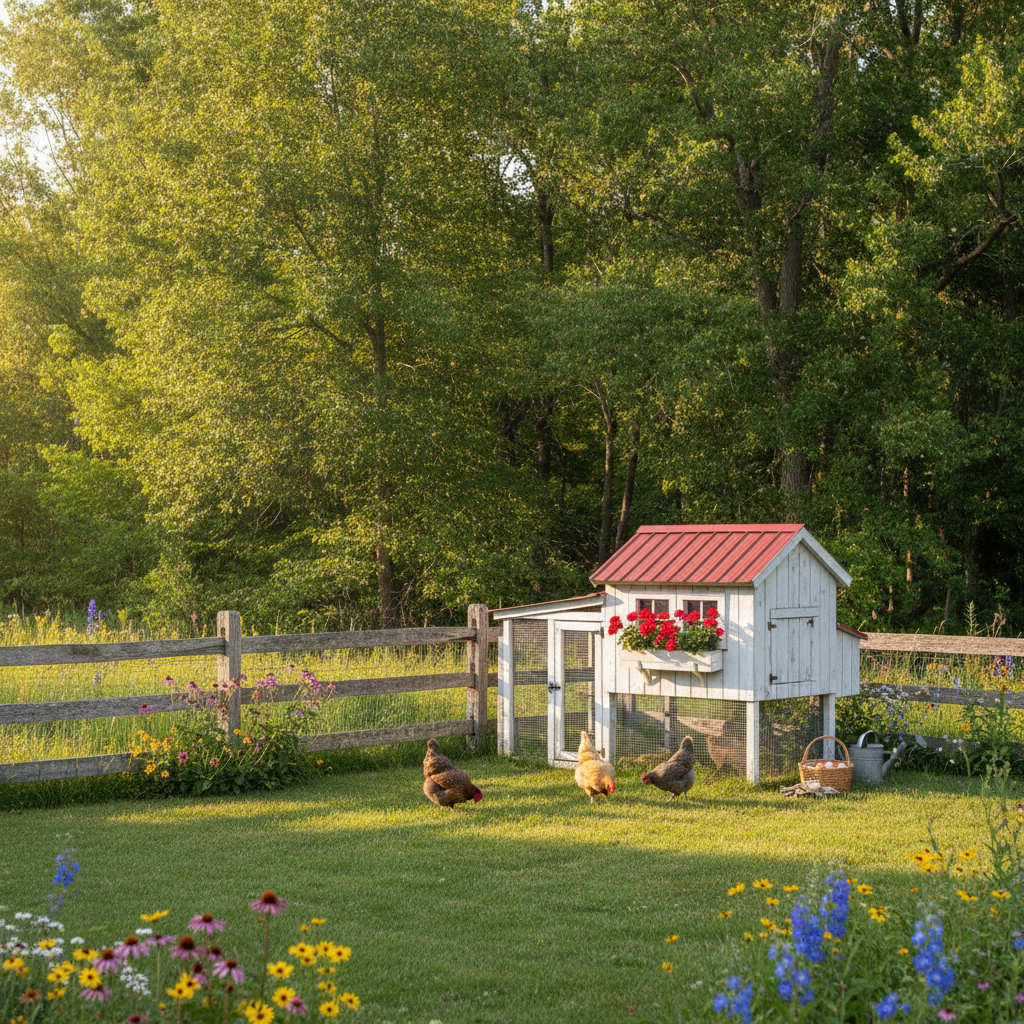
Raising Backyard Chickens in Green Bay: Essential Tips and Tricks
By Mara K. · Updated August 27, 2026
Quick answer
Raising backyard chickens in Green Bay means choosing cold-hardy breeds like Brahma and Wyandotte. Each bird needs 4 square feet of coop space, and a heated waterer is essential for the brutal winters. Planning ensures your flock thrives in Green Bay's cold-continental climate.
Key facts
- Coop space per bird
- 4 square feet
- Wire gauge for run
- 14 gauge
- Water heater cost
- $40 to $80
- Frost-free days
- 120 days
- Winter low temperature
- -10°F
Raising backyard chickens in Green Bay can be a rewarding experience, but it requires some special considerations due to the local climate. With bitterly cold winters and short summers, you'll want to choose the right breeds, set up a solid coop, and ensure your flock stays healthy through all seasons.
Best Chicken Breeds for Green Bay's Climate
In Green Bay, picking the right chicken breeds is vital. You need hardy birds that can withstand the chill. Wyandottes, Brahmas, and Buff Orpingtons are top choices. Wyandottes are particularly good for their cold tolerance and friendliness, while Brahmas, with their size and feathering, provide excellent resilience against freezing temps. Buff Orpingtons also bring a good mix of cold tolerance and productivity.
These breeds are well-suited for neighborhoods like Howard and De Pere. They each lay consistently even when temperatures drop, so you won't be short on eggs in the cold months.
Essential Supplies for Winter Chicken Keeping
To keep your chickens thriving during Green Bay's winters, you'll need a few specific supplies. Start with a heated waterer, which will run you between $40 and $80. This prevents the water from freezing, ensuring your hens stay hydrated. A well-insulated coop is a must, with at least 4 square feet of space per bird to provide comfort and warmth.
For local feed and supply needs, check out supplies near Green Bay, WI. They stock everything from bedding to feed suitable for the colder months.
Building a Coop to Weather the Wisconsin Chill
When it comes to building your coop, think warm and secure. Use sturdy materials and aim for at least a 14-gauge wire for your chicken run to keep predators out. Insulation is key, as is ventilation to prevent moisture buildup. Consider raising the coop off the ground a bit to avoid any snow drifts from piling up and affecting your hens.
If you're handy or aiming to become so, look into some of the coop plans available to suit the tight spaces you might find in Allouez or Ashwaubenon.
Managing Flock Health in Green Bay
Health is another big factor. Winter can bring challenges like frostbite and respiratory issues. Regular check-ups with a chicken doctor can help nip any problems in the bud. Keep an eye on the US chicken health and outbreak map for any concerns that might arise.
The Wisconsin Department of Agriculture provides guidelines and updates on local poultry health, which are worth staying on top of, especially if avian flu or similar concerns surface.
Understanding Green Bay's Unique Climate
Green Bay's climate swings from -10°F in the depths of winter to highs in the mid-80s in summer, but the heat is short-lived. With only about 120 frost-free days, the growing season for your chickens is just as brief. However, the humidity stays manageable which helps keep summer heat stress lower than more humid areas.
This means that even though summers like those in nearby Bellevue might feel warm, your chickens will mostly be dealing with the cold. Plan accordingly with plenty of bedding and robust coop design to ensure their comfort year-round.
Final Thoughts from the Coop
Raising chickens in Green Bay comes with its set of challenges, but it's nothing a bit of planning and good old-fashioned elbow grease can't handle. With the right breeds, a solid coop, and proper health management, your backyard flock can thrive in even the coldest Wisconsin winters. Keep an eye on the local weather, stock up on essentials, and enjoy the eggs and enjoyment your feathered friends will bring into your life.
More for Green Bay chicken keepers
Got questions or your own tips?
Jump into the community and swap notes with other backyard chicken keepers.
Discuss in the community →Comments
Sign in to join the conversation.