
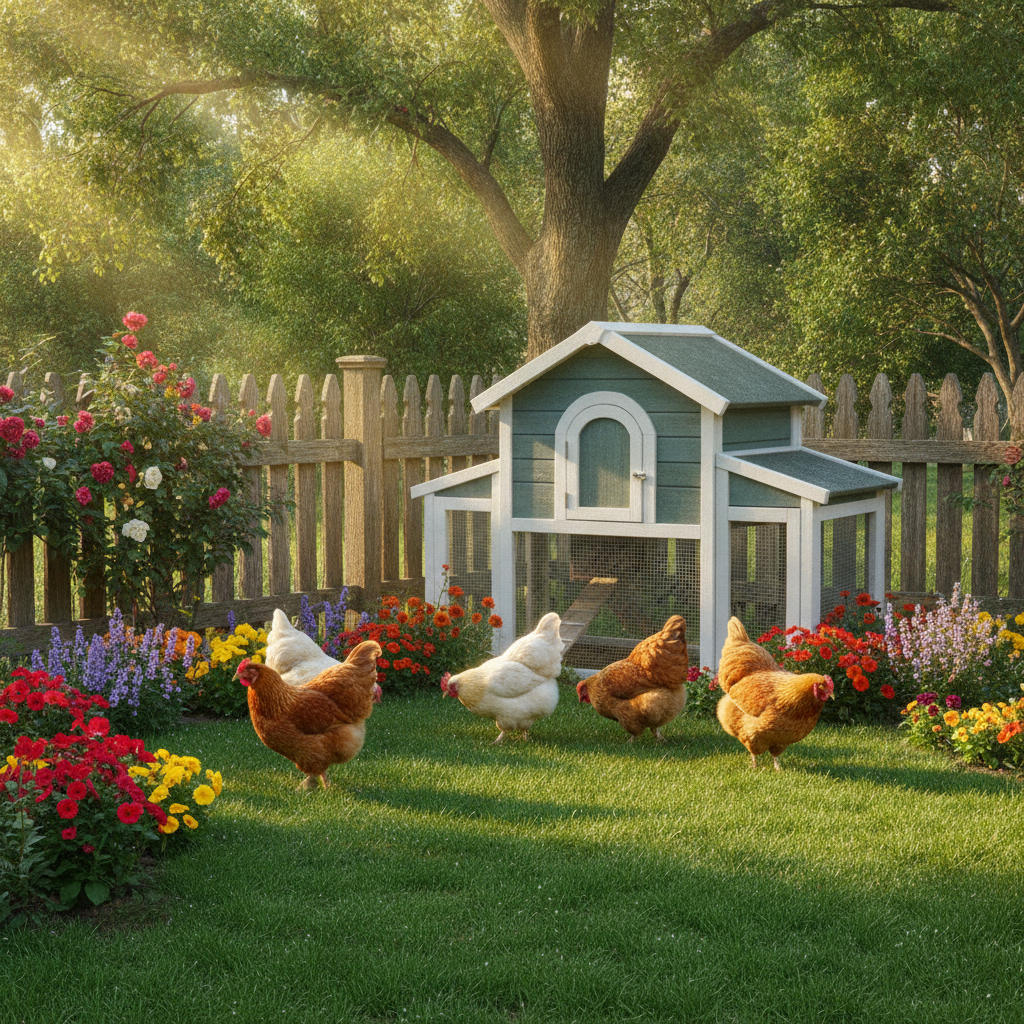
Raising Backyard Chickens in Boston: Tips for Success
By Mara K. · Updated October 8, 2026
Quick answer
Raising backyard chickens in Boston requires cold-hardy breeds like Wyandottes and insulated coops. Plan for 4 square feet per bird inside due to snowy winters. Utilize deep litter bedding to provide extra warmth. Visit /supplies/near/boston-ma for local feed options.
Key facts
- Space per bird
- 4 sq ft
- Wire gauge
- 16 gauge
- Local frost date
- Oct 15
- Plymouth Rock egg count
- 200-280 eggs/year
- Winter low temp
- 15°F
Raising backyard chickens in Boston isn't just a quaint idea, it's a practical venture with the right preparations. Whether you're in Jamaica Plain, Somerville, or Quincy, the local climate plays a huge role in how you should plan your flock management.
What Are the Best Chicken Breeds for Boston?
When raising backyard chickens in Boston, cold-hardy breeds like Wyandottes, Brahmas, and Buff Orpingtons are top choices due to their rose combs and ability to thrive in cold temperatures. These breeds are well adapted to the region's snowy and chilly winters, with the Wyandotte being a standout for its hardiness and good egg production of around 200 eggs per year. Check out the Wyandotte breed guide for a deeper dive into their characteristics.
How to Insulate Your Boston Chicken Coop
To keep your flock cozy in Boston's cold winters, insulation is key. A well-insulated coop will not only keep the chickens warm but also help prevent frostbite on those icy Massachusetts nights. I've used double-walled construction with a moisture barrier between plywood sheets. Aim for a coop with at least 4 square feet per chicken inside, considering Boston's average winter low of 15°F. For plans to build a coop that suits Boston's climate, visit our coop plans page.
Managing Cold and Snowy Winters with Deep Litter Bedding
The deep litter method is a great way to add warmth naturally. This involves allowing the bedding material, usually straw or wood shavings, to build up over time. The decomposition process generates heat, which is a blessing during those snowy Boston months. Start with 3-4 inches of bedding and gradually add more over the winter.
Where to Find Chicken Supplies in Boston
Boston's local resources are a big help. Whether you're near Cambridge or Allston, you'll find what you need. Visit our local feed and supply page for Boston to locate stores that stock Purina, Kalmbach, and other essentials.
Handling Climate Challenges in Boston's Humid-Continental Zone
The humid-continental climate in Boston means you'll face humid, hot summers with average highs around 82°F and cold, snowy winters. Proper ventilation in your coop can help manage humidity and heat stress in the summer months. In winter, ensure your coop blocks drafts without sacrificing airflow.
Monitoring Chicken Health and Zoning Regulations
Keeping your flock healthy is paramount. Regular checks and knowing local health conditions can prevent outbreaks. Our chicken health map is a valuable resource for tracking regional health alerts. Additionally, consult the Massachusetts Department of Agricultural Resources for any local zoning regulations or restrictions on raising chickens.
Final Thoughts from the Coop
Raising chickens in Boston can be a rewarding experience. By selecting the right breeds, properly insulating your coop, and keeping a keen eye on local climate conditions, you'll set your flock up for success. As you navigate the ins and outs of chicken keeping in Massachusetts, remember that resources like our learn section and chicken doctor are just a click away whenever you need guidance.
More for Boston chicken keepers
Got questions or your own tips?
Jump into the community and swap notes with other backyard chicken keepers.
Discuss in the community →Comments
Sign in to join the conversation.