Predator Proofing Chicken Coops in Yonkers: Keeping Your Flock Safe
By Mara K. · Updated July 30, 2026
Quick answer
To predator-proof chicken coops in Yonkers, use 1/2-inch hardware cloth, dig 12 inches underground, and secure locks on doors. Yonkers' climate demands insulation for snowy winters and ventilation for humid summers to keep your flock safe and healthy year-round.
Key facts
- Wire gauge
- 19-gauge
- Buried depth
- 12 inches
- Coop door locks
- 2 (top and bottom)
- Predator apron width
- 24 inches
- Summer high
- 85°F
When it comes to predator proofing chicken coops in Yonkers, you’ve got to be ready for everything from raccoons to hawks. With our humid-continental climate, the summers can reach up to 85°F, while the winters dip below freezing with plenty of snow. So, let's dive into the best ways to keep your feathered friends safe all year round.
How to Secure Your Coop with Hardware Cloth
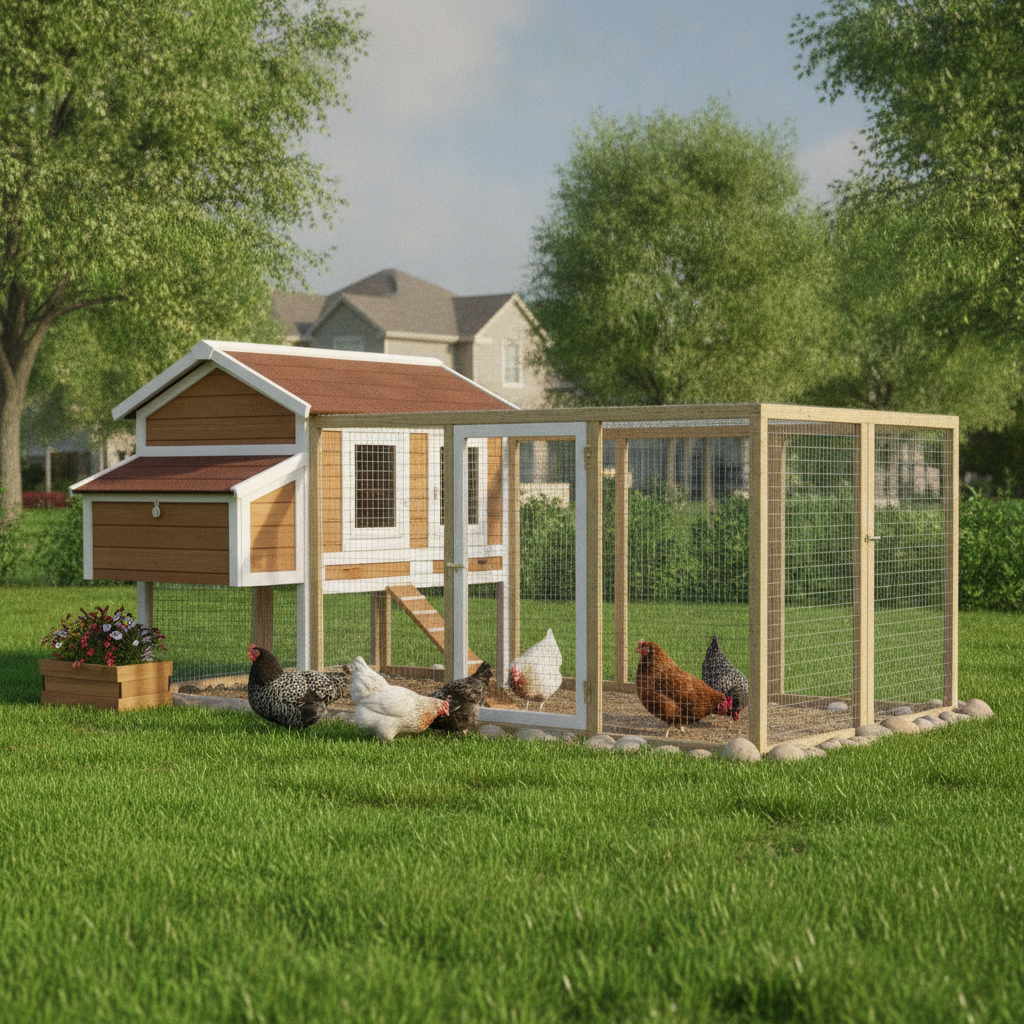
Using 1/2-inch hardware cloth is the best way to secure your chicken coop against predators in Yonkers. Smaller mesh like this keeps even the sneakiest rats at bay. I use 19-gauge wire myself, double-checking the perimeter of the coop for gaps. It’s also a good idea to dig the mesh at least 12 inches into the ground to prevent diggers like foxes.
A few years back, I learned the hard way when a raccoon made a late-night visit. After that, I buried an additional 24 inches of apron wire around the coop's base-no more unwanted guests!
The New York State Department of Environmental Conservation offers more insights on local wildlife threats and prevention methods.
Secure Doors with Predator-Proof Locks
Securing doors with two sturdy locks, one at the top and one at the bottom, is essential for keeping out persistent predators. Raccoons are clever creatures that can open simple latches, so opt for locks that require some hands-on manipulation. In the neighborhoods of Ludlow and Crestwood, where wildlife is often spotted, these precautions are doubly important.
Insulating for Winter and Ventilating in Summer
Given our cold snowy winters, insulating your coop is a must. The deep litter method works wonders here. I pile up straw and pine shavings, which compost gradually to keep the coop toasty. Ventilation also can't be overlooked during those humid months, with strategic vents that allow air flow without drafts.
The USDA's National Weather Service (NWS) offers helpful details on Yonkers' frost dates, ensuring you time your coop preparations right.
Local Resources for Supplies
When you're ready to gather supplies, check out local sources for all the essentials, from hardware cloth to bedding materials. Supporting nearby communities like Hastings-on-Hudson and Bronxville can also be a great help.
Best Breeds for Yonkers
Cold-hardy breeds like Wyandottes and Brahmas thrive here. These birds come equipped with rose combs that reduce frostbite risk. You can learn more about these breeds with our Wyandotte guide and Brahma guide.
FAQ
What is the best way to protect chickens from hawks in Yonkers?
Creating a covered run with tight mesh overhead is an effective way to shield your flock from hawks. This is particularly important in open areas near the Hudson River.
How do I deal with rodent problems in my chicken coop?
Using 1/2-inch hardware cloth for the coop's foundation and storing feed in metal containers can keep rodents at bay. Regularly checking for entry points is crucial.
Do I need a permit to build a chicken coop in Yonkers?
You'll want to refer to the local zoning ordinances. Yonkers requires permits for certain structures, so it’s best to check with city hall or the local ordinances page.
Can I use chicken wire instead of hardware cloth?
Chicken wire is not recommended as it can easily be torn by predators like raccoons. Stick with a more durable 19-gauge hardware cloth for safety.
How often should I clean the coop?
Regular cleaning every week or two helps maintain flock health. The deep litter method can reduce the frequency in winter, but stay vigilant against ammonia buildup. For more tips, check out our chicken health resources.
Final Thoughts from the Coop
Predator-proofing your chicken coop in Yonkers involves a mix of good materials, clever design, and awareness of local threats. Our cold winters and humid summers mean you need to think about climate as much as critters. Ensuring your coop is secure and your flock is healthy can be a rewarding challenge, but with the right steps, it's definitely doable. Stay clucky, Yonkers!
More for Yonkers chicken keepers
Got questions or your own tips?
Jump into the community and swap notes with other backyard chicken keepers.
Discuss in the community →Comments
Sign in to join the conversation.