
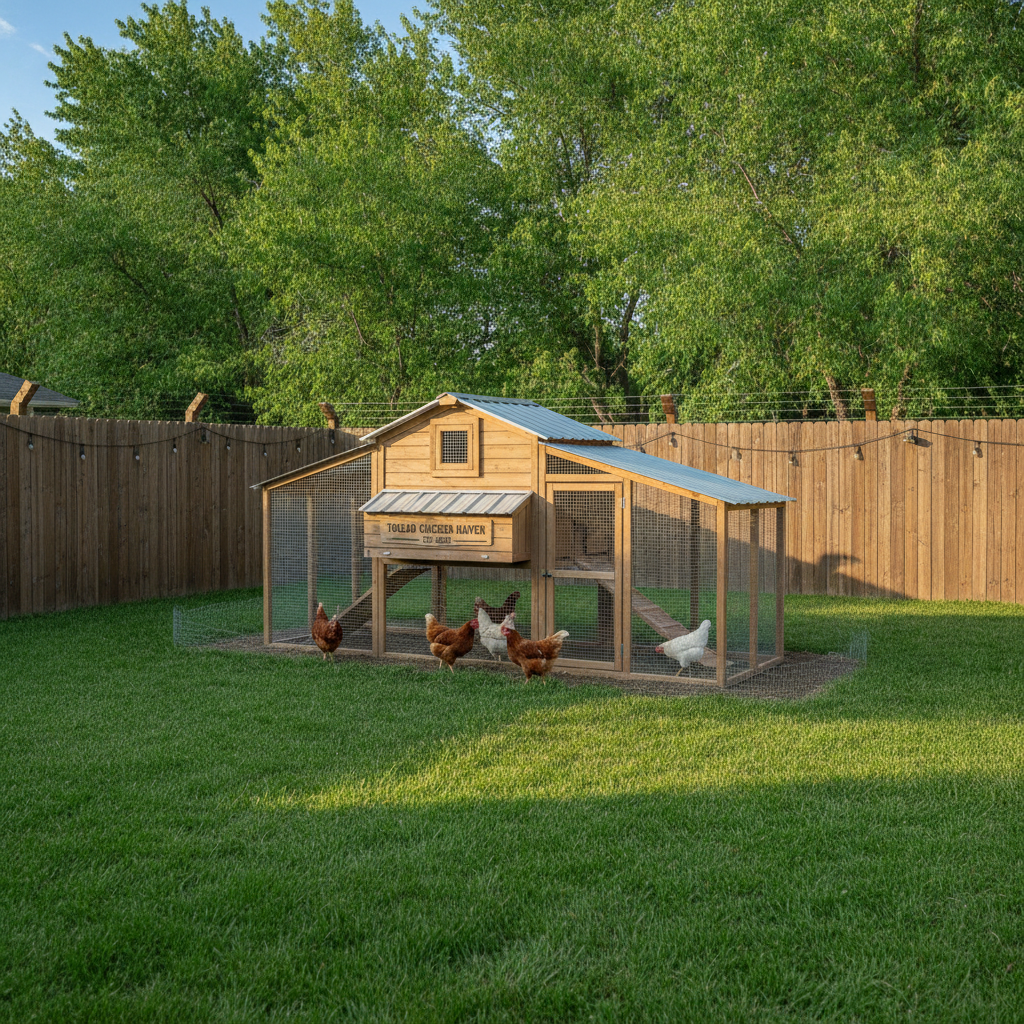
Predator Proofing Your Chicken Coop in Toledo: Tips for Safe Flocks
By Mara K. · Updated July 13, 2026
Quick answer
To predator-proof your chicken coop in Toledo, use hardware cloth with a gauge of at least 16, elevate the coop by 18 inches, and secure the perimeter by burying hardware cloth 12 inches deep. Always install strong locks to protect your flock from local wildlife threats, especially in winter.
Key facts
- Hardware cloth gauge
- 16
- Elevation height
- 18 inches
- Buried hardware cloth depth
- 12 inches
- Winter temperatures
- teens
If you're living in Toledo, Ohio and dreaming of raising chickens, you're in good company. Our humid, continental climate, which swings from hot summers in the mid, 80s to cold, snowy winters, makes it essential to select the right breeds and predator-proof your coop effectively. In neighborhoods like Sylvania, Maumee, or even nearby Oregon, OH, there's plenty of wildlife that sees your chickens as dinner.
Why Predator Proofing is Crucial in Toledo
In Toledo, predators like raccoons, foxes, skunks, and even hawks are common threats to backyard chickens. Ensuring your coop is predator-proof isn't just a precaution, it's a necessity. With frost dates generally extending from mid, May to mid, October, along with a high summer humidity index, proper planning is essential to keeping your flock safe and healthy.
How to Secure Your Chicken Coop
Use Hardware Cloth, Not Chicken Wire
Hardware cloth is your best friend when it comes to predator proofing. Unlike chicken wire, which can be easily breached, hardware cloth with a gauge of at least 16 will hold up against even the most determined raccoon. Cover all windows and any ventilation openings with this sturdy material.
Elevate the Coop
Many folks here in Toledo elevate their coops by at least 18 inches to deter burrowing predators. If you're building your coop from scratch, check out some great designs in our available coop plans that incorporate elevated structures.
Secure the Perimeter
A buried barrier around the perimeter of your run can stop predators from digging under. I recommend extending hardware cloth or welded wire fencing 12 inches below ground and bending it outwards like an 'L'. This adds an extra layer of protection and keeps those sneaky diggers at bay.
Fortifying Against Winter Predators
Winter does not stop predators, nor should it stop your preparations. Install strong locks on all doors and access points to prevent raccoons from opening doors. Here in Toledo, we often experience temperatures plummeting into the teens, and securing your coop with double locks ensures your hens stay safe and warm.
Lighting and Motion Detectors
Adding solar, powered motion lights around the coop can deter predators. This method works wonders during those long, dark winter nights. It also helps you keep an eye on the coop without stepping out into the cold at 3 AM.
Choosing the Right Breeds for Toledo
Certain breeds are better suited to Toledo's climate and predator challenges. Consider cold-hardy breeds like Wyandottes, Brahmas, or Buff Orpingtons. These breeds are not only resilient to our harsh winters but also generally calm and docile, making them perfect for small urban backyards or larger rural properties.
Keep an Eye on Chicken Health
Always be vigilant about your flock's health and any signs of predator stress. Our handy chicken health map is a great resource for monitoring local outbreaks and staying informed.
Shop Local for Supplies
If you're in need of feed, hardware cloth, or even a last, minute heat lamp, check out the local feed and supply stores in Toledo. They often carry everything a backyard chicken keeper could need, along with helpful advice from folks who know the area well.
Final Thoughts from the Coop
Predator proofing your chicken coop in Toledo isn't just about keeping critters at bay, but also ensuring a safe, healthy environment for your flock year-round. With these tips, you’ll have a better chance of protecting your chickens from local threats while keeping them comfortable through Toledo's wild weather changes. For more tips and tricks, visit our learning center or consult a chicken doctor for any specific concerns. Stay clucky, Toledo!
More for Toledo chicken keepers
Got questions or your own tips?
Jump into the community and swap notes with other backyard chicken keepers.
Discuss in the community →Comments
Sign in to join the conversation.