
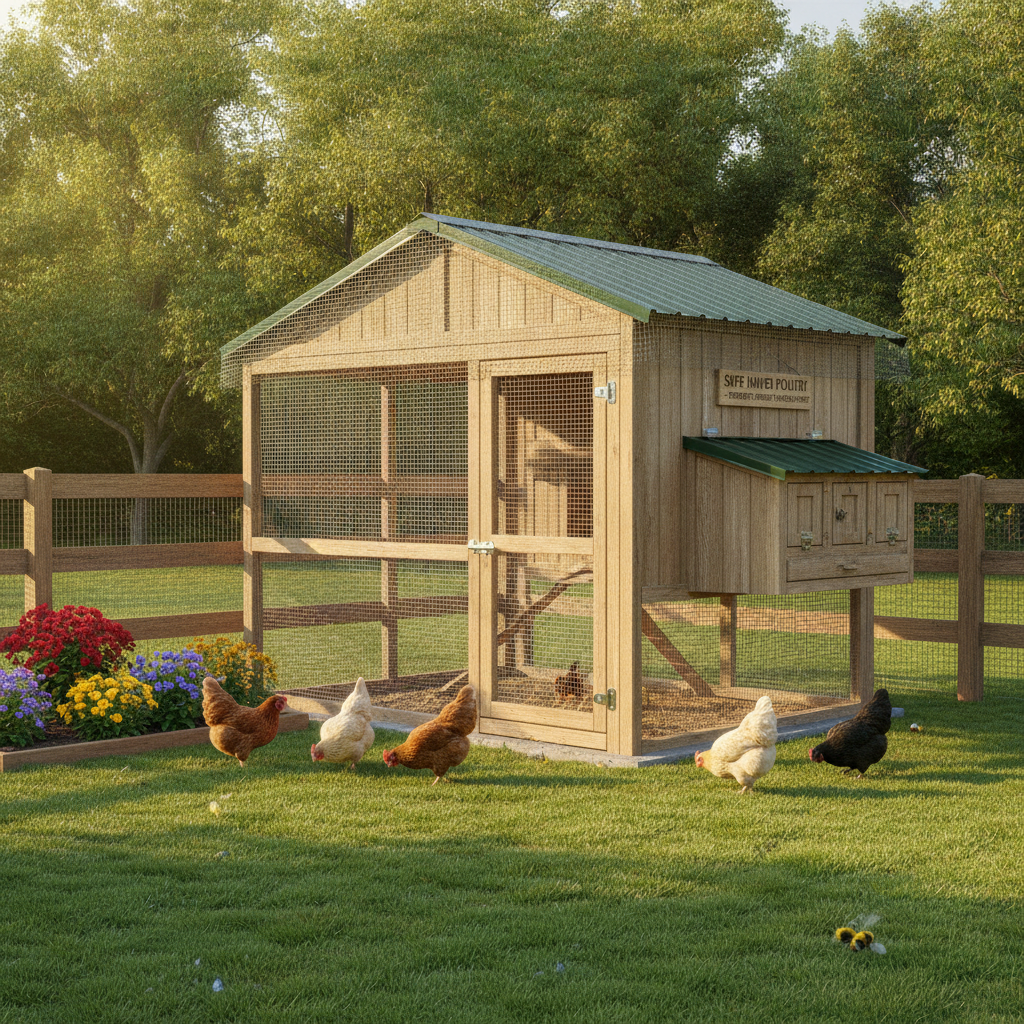
Predator Proofing Chicken Coops in Springfield: Keeping Your Flock Safe and Sound
By Mara K. · Updated July 24, 2026
Quick answer
To keep your flock safe from predators in Springfield, use 1/2 inch gauge hardware cloth and bury it 12 inches deep around the coop. Install netting to protect against hawks. Ensure insulated perches are provided for winter safety, as temperatures can drop below freezing.
Key facts
- Hardware cloth gauge
- 1/2 inch
- Burial depth for wire
- 12 inches
- Hardware cloth gauge used
- 19 gauge
- Insulation method
- straw
- Predators commonly found
- 4 types
Raising chickens in Springfield, MO can be quite the adventure, but those pesky predators can wreak havoc on your backyard flock if you're not prepared. With our humid, continental climate, where summer highs soar to the 90s and winters can be downright frigid with a fair share of snow, keeping your hens safe and happy requires some extra planning especially in neighborhoods like Rountree, West Plains, or Nixa.
Why Predator Proofing is Key for Springfield Chickens
As any Springfield chicken keeper will tell you, predators can pose a significant threat to your flock. Coyotes, raccoons, opossums, and hawks are common threats that take advantage of our wooded areas and suburban settings. Having a predator-proof coop is crucial to ensure your hens, whether they are Wyandottes, Brahmas, or those friendly Buff Orpingtons, stay safe.
Choosing the Right Materials
The first step in predator proofing is selecting the right materials to build or modify your coop. Use hardware cloth instead of chicken wire. Hardware cloth, typically 1/2 inch gauge, is much sturdier and is less likely to be ripped open by determined critters. When I built my coop over in Rountree, I used a roll of 19, gauge hardware cloth and it held up brilliantly against a pack of raccoons last fall.
Secure the Perimeter
Creating a strong barrier around your coop is vital. Consider burying the wire or hardware cloth at least 12 inches underground to prevent digging predators from getting in. I remember a neighbor in West Plains who buried the wire 18 inches deep just to be safe, after losing a couple of hens one night. It's better to be over, prepared when it comes to underground invaders.
Protecting Against Aerial Predators
In Springfield, hawks are a real concern, especially during the fall when they are more active. Installing netting over your run can be an effective deterrent. When I visit Nixa, I often see folks using durable bird netting to cover their chicken runs. It’s an easy fix that can save your hens from becoming a midday snack.
Install Safe Roosting Areas
Inside your coop, make sure your chickens have a safe place to roost. Elevated perches not only keep them off the cold ground during icy winter nights but also provide a sense of security from ground predators. Insulating your coop with straw or using the deep litter method can add warmth, crucial for surviving our cold winters.
Climate Considerations for Your Coop
Given Springfield’s climate extremes, from blisteringly hot summer days to frosty winter nights, ensuring your coop is well, insulated is a must. The National Weather Service often provides valuable climate data that can help you decide when to make seasonal adjustments. Ensure your coop is ventilated to reduce humidity in the summer while blocking those chilly winter drafts.
Local Resources and Help
For those just starting with chicken keeping in Springfield, checking out local resources can be a lifesaver. The local feed and supply page can guide you to places that stock hardware cloth and other predator-proofing supplies. If you need coop ideas, our coop plans page offers plenty of great ideas.
And don’t forget to keep an eye on our chicken health map to stay updated on any regional outbreaks or health advisories that might affect your flock.
FAQs About Predator Proofing in Springfield
How can I protect my chickens from coyotes in Springfield?
Coyotes can be cunning. A securely fenced perimeter with hardware cloth, buried at least 12 inches deep, will deter most. Locking your coop every night is also essential.
Is it necessary to predator proof the roof of my coop?
Absolutely! Many aerial predators can swoop down if there's an open top. Use netting or solid roofing for added protection.
What are the risks of using chicken wire?
Chicken wire is not predator-proof. Many predators can chew through it or pry it open. Opt for hardware cloth for a stronger barrier.
What's the best way to winterize a chicken coop in Springfield?
Insulate with straw or use the deep litter method to maintain heat. Ensure ventilation to prevent moisture build, up without allowing drafts.
Are there local laws about keeping chickens in Springfield?
You should always check the Greene County ordinances to ensure compliance with local regulations on backyard chickens.
Final Thoughts from the Coop
Keeping your hens safe from predators in Springfield can be challenging, but with the right tools and a bit of local knowledge, your flock can thrive. Whether you're in Rountree, Nixa, or West Plains, these tips should help you build a fortress your feathered friends can call home.
More for Springfield chicken keepers
Got questions or your own tips?
Jump into the community and swap notes with other backyard chicken keepers.
Discuss in the community →Comments
Sign in to join the conversation.