
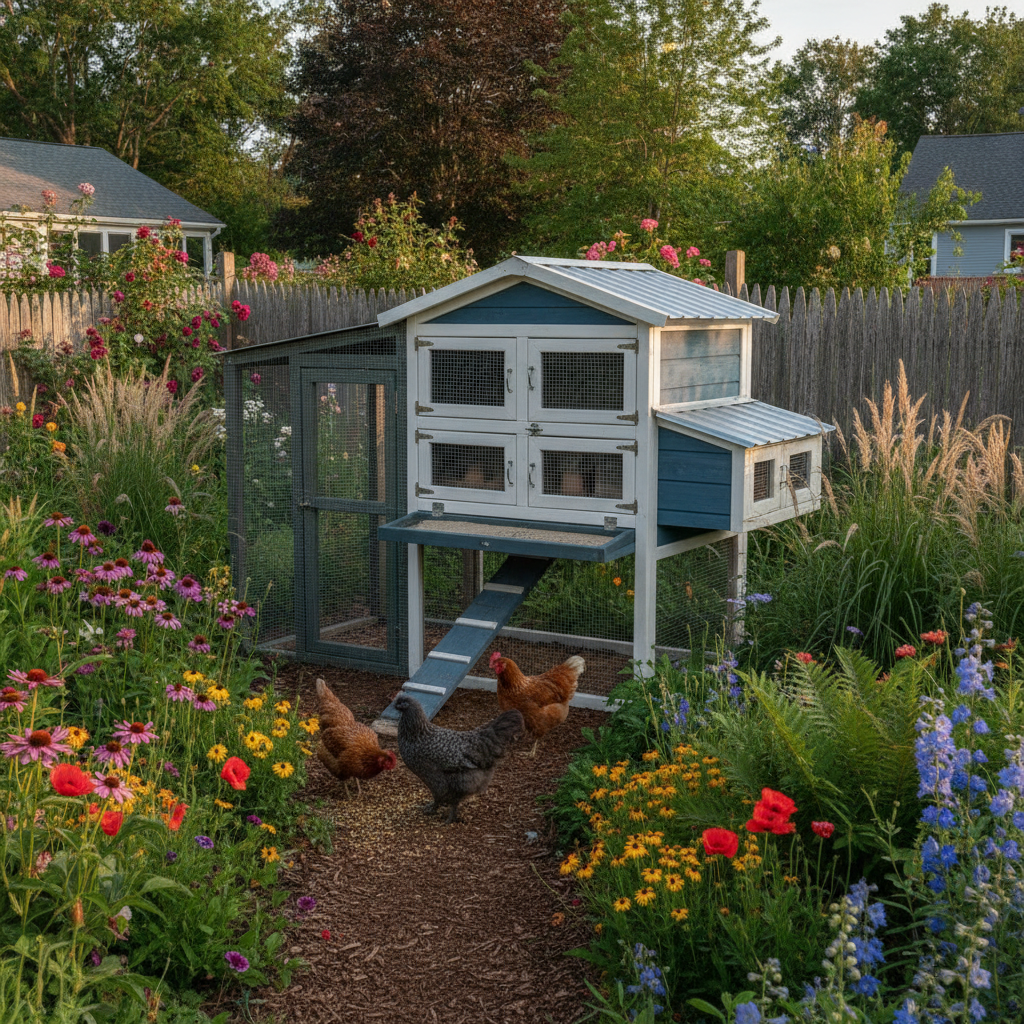
How to Predator Proof Your Chicken Coop in Portland, ME
By Mara K. · Updated June 21, 2026
Quick answer
To predator proof your chicken coop in Portland, ME, use hardware cloth with a gauge of at least 16 to reinforce walls and doors. Bury fencing at least 12 inches deep to deter digging predators and cover the run to protect against aerial threats during warm months.
Key facts
- Minimum gauge for hardware cloth
- 16
- Bury depth for fencing
- 12 inches
- Annual snowfall average
- 60 inches
- Typical frost dates
- early October to late May
- Recommended breeds for hardiness
- Wyandottes, Brahmas, Buff Orpingtons
Raising chickens in Portland, Maine is a rewarding endeavor, but keeping them safe from predators is a constant concern. With the humid, continental climate here, we've got to think about not just insulation to beat winter chill but also robust predator proofing for our coops.
Why Predator Proofing Matters in Portland, ME
In Portland, and surrounding areas like Cape Elizabeth and Falmouth, predators such as foxes, raccoons, and hawks can pose serious threats to your flock. The cold winters and hot summers we've got here mean these critters are often on the prowl, searching for an easy meal.
Ensuring your coop is predator-proof is essential for keeping your chickens safe, especially when heavy snowfall (up to 60 inches yearly) might make it easier for some animals to get in. During summer, temperatures can reach up to the 80s, and the heat index can make chickens more vulnerable to predators in the evenings when they're more active after the heat relents.
Reinforcing Coop Walls and Doors
When it comes to fortifying your coop, start with the walls and doors. Using hardware cloth with a gauge of at least 16 is essential. Chicken wire is not strong enough as it can be easily torn by raccoons. Securely attaching this to your coop frame with screws and washers helps deter predators from prying it off.
If you're building or upgrading your coop, check out detailed coop plans that incorporate predator-proofing strategies from the get, go. These plans will guide you through using durable materials and effective designs.
Protecting the Run
A well, secured run is just as important as the coop itself. Burying hardware cloth at least 12 inches deep around the perimeter can prevent digging predators from tunneling under. Covering the top of the run with netting will guard against aerial predators like hawks.
In areas like Westbrook and Old Orchard Beach, night, time security is crucial. Consider adding motion, sensor lights that can scare off any curious critters.
What to Consider for Winter
Winters can get frigid, with frost dates typically around early October through late May. Proper insulation not only keeps chickens warm but also adds a layer of protection against predators who might try to chew through thinner materials softened by moisture from snow and ice.
The deep litter method is a great choice for this region, as it keeps the coop warm while also deterring ground, dwelling pests. For more tips on keeping your chickens healthy in different climates, visit our learn section.
Choosing the Right Breeds
Certain breeds are naturally more resilient against both cold and predators. Here in Maine, breeds like Wyandottes, Brahmas, and Buff Orpingtons are popular because of their hardiness and size, which can sometimes deter smaller predators.
Involving Local Resources
Portlanders are fortunate to have local feed and supply stores that cater to the specific needs of our climate and wildlife challenges. For all the gear you'll need, check out local options on our Portland supplies page.
Additionally, stay informed about local wildlife activity and health risks using the chicken health and outbreak map. Knowing what predators are active in your area and any disease outbreaks can help you take the necessary precautions.
Frequently Asked Questions
What's the best way to keep raccoons out of my coop?
Using a combination of hardware cloth and secure locks on doors is effective. Raccoons are clever, so make sure nothing can be pried open easily.
How can I prevent hawks from attacking my chickens?
Covering the chicken run with mesh or netting can stop hawks from swooping down. This also works well against other birds of prey common in Maine.
Is it necessary to bury fencing around the coop?
Yes, burying fencing helps stop digging predators like foxes. Aim for at least a foot deep to create a strong barrier.
Do I need to heat my coop in winter?
Generally, extra heat isn't necessary if you have good insulation and the right breeds. However, always ensure there's plenty of ventilation to avoid moisture buildup.
What are some Portland, area resources for chicken keepers?
The University of Maine Cooperative Extension offers advice on raising backyard chickens. Their resources and events can be incredibly helpful.
Final Thoughts from the Coop
Predator proofing your chicken coop in Portland requires a bit of planning, but the peace of mind knowing your feathered friends are safe is well worth it. With the right materials, designs, and local resources, you can create a coop that stands up to even the cleverest critters. Happy chicken keeping!
More for Portland chicken keepers
Got questions or your own tips?
Jump into the community and swap notes with other backyard chicken keepers.
Discuss in the community →Comments
Sign in to join the conversation.