
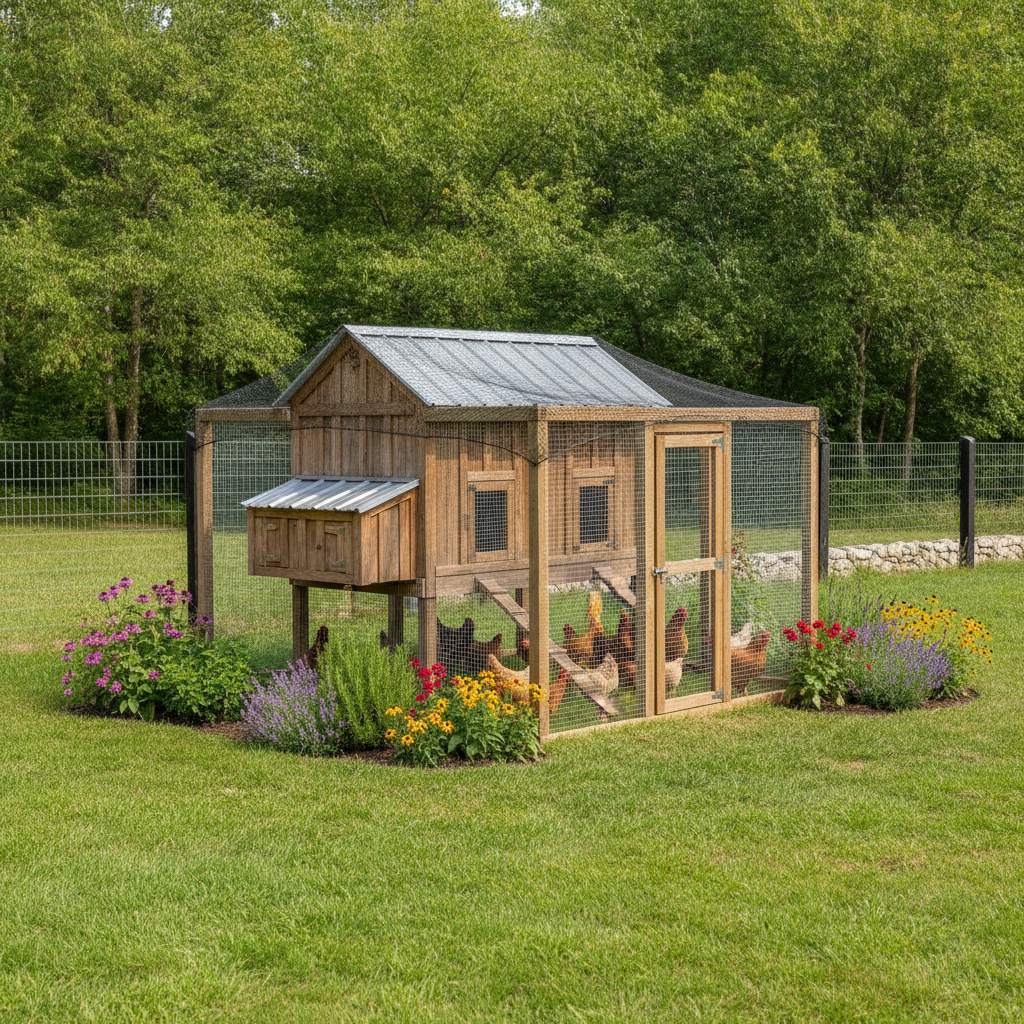
Predator Proofing Chicken Coops in New York
By Mara K. · Updated July 21, 2026
Quick answer
To predator-proof chicken coops in New York, use 1/4 inch gauge hardware cloth buried 18 inches deep at a 45 degree angle. Consider using raccoon-proof latches and provide overhead cover against hawks. Insulate coops for the brutal winter temperatures often below freezing.
Key facts
- Hardware cloth gauge
- 1/4 inch
- Buried depth
- 18 inches
- Winter temperatures
- below freezing
- Coop elevation
- 1 foot
If you're raising chickens in New York, you've probably heard a tale or two about raccoons, hawks, and other critters looking to make a meal of your feathered friends. Keeping your chickens safe is a big responsibility, especially with New York's varied climate. I’ve got a few tips and stories from my own backyard adventures that might help you sleep a little easier.
What Are the Common Predators in New York?
Living in New York means dealing with a mix of urban and rural challenges. In areas like Brooklyn, Staten Island, and even out in Yonkers, you're likely to encounter a host of predators. Raccoons are notorious for their persistence and dexterity. Hawks are also a concern, particularly in more open areas where they can swoop down with ease. Don't forget about the city rats and the occasional fox, especially as you move towards the suburbs.
Protect your flock by understanding your local ecosystem. The USDA APHIS has more details on common predators in urban settings.
How to Raccoon-Proof Your Coop
Raccoons are clever, and they can open simple locks with ease. In Queens, where raccoons are often seen prowling at dusk, you’ll need to employ some serious security measures. Consider using a padlock or a latch that's raccoon-proof. I’ve found that a spring, loaded latch works wonders.
Additionally, burying hardware cloth (that’s 1/4, inch gauge wire) around the perimeter of your coop and run can prevent them from digging under. I use pieces that are about 18 inches wide, buried at a 45, degree angle. Over in Manhattan, many backyard chicken enthusiasts swear by electric fencing as an effective deterrent.
Keeping Hawks at Bay
Hawks are a more daytime threat. If you're raising Buff Orpingtons or Brahmas, known for their calm nature, you'll need to be extra vigilant. Providing overhead cover is crucial. Netting works well, though some folks in Harlem have had success with strings of fishing line or reflective tape crisscrossed over the run.
Make sure to check out our coop plans for designs that incorporate predator-proof features, including covered runs.
Building a Secure Coop for All Seasons
New York winters can be brutal, with temperatures often dropping below freezing and snowstorms rolling through. In Rochester, folks often double down on insulation to keep their coops warm. This not only helps in winter but can add a layer of protection against burrowing predators.
Use the deep litter method to generate warmth and add comfort. Also, ensure your coop is elevated at least a foot off the ground, which helps with ventilation and deters unwanted guests.
Sourcing Supplies Locally
For all your predator-proofing needs, check out local feed and supply stores in New York. They often carry the hardware cloth, netting, and latches you'll need. Plus, supporting local businesses helps build the chicken-keeping community.
Frequently Asked Questions
How do I know if I have a predator problem?
Common signs include missing chickens, feathers scattered around, or marks of attempted entry like scratches or bent hardware.
Are Australorps a good breed for New York?
Yes, Australorps are hardy and do well in cold climates. Learn more about this breed in our breed guide.
What should I do if I think my chickens are sick?
If you notice signs of illness, consult a chicken doctor right away or check out our health map for any regional outbreaks.
Final Thoughts from the Coop
Keeping chickens in New York requires a balance between predator prevention and adjusting to the seasonal challenges. By knowing your local threats and preparing with the right materials, your chickens can thrive year-round. And remember, every backyard setup is unique, so what works for one flock in the Bronx might need tweaking for another in Staten Island. For more tips and stories, swing by our learning section to connect with fellow chicken enthusiasts.
More for New York chicken keepers
Got questions or your own tips?
Jump into the community and swap notes with other backyard chicken keepers.
Discuss in the community →Comments
Sign in to join the conversation.