
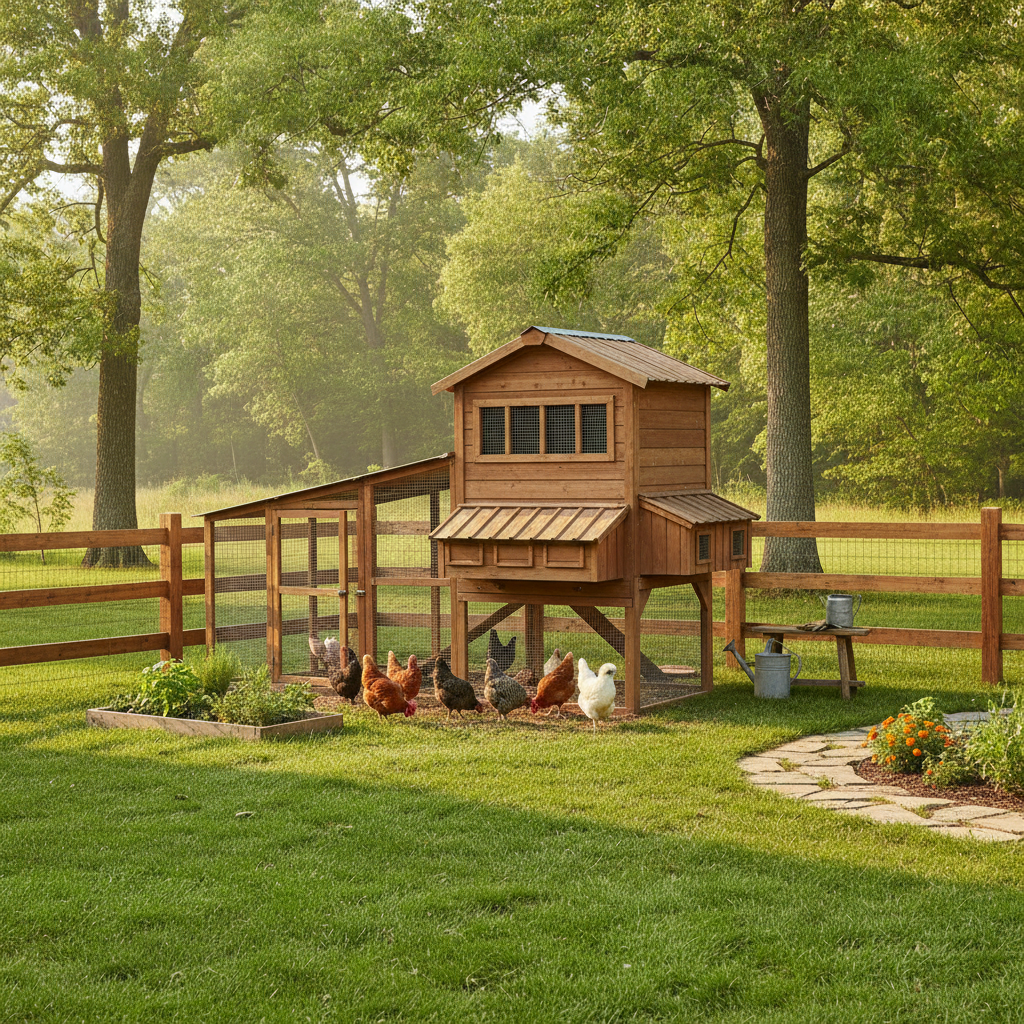
Predator Proofing Chicken Coops in Denver: Best Practices
By Mara K. · Updated September 20, 2026
Quick answer
Predator proofing chicken coops in Denver involves using 14-gauge hardware cloth, securing all gaps, and incorporating strong latches. With local predators like raccoons and foxes, coops should be reinforced and monitored regularly to ensure flock safety.
Key facts
- Wire Gauge
- 14 gauge
- Space Per Chicken
- 4 square feet
- Annual Frost-Free Days
- 150 days
- Average Winter Low
- 22°F
Keeping chickens in Denver comes with its own set of challenges, not the least of which is protecting your feathered friends from local predators. With cold-continental vibes, where winter lows can dip to 22°F, ensuring your coop is safe and secure is top priority.
Essential Materials for Chicken Coop Protection
Using 14-gauge hardware cloth is a must for predator proofing chicken coops in Denver. This wire is sturdy enough to keep out raccoons and foxes, which are common in Denver suburbs like Littleton and Aurora. Chicken wire won't cut it, since it's too flimsy and predators can often rip through it.
In addition to the wire, adding strong latches to doors and windows can thwart crafty critters. I run three latches on each door of my coop, and it hasn’t failed me yet.
Local Predators to Guard Against
Denver's got a variety of wildlife that might see your chickens as dinner. Coyotes and raccoons roam the more suburban areas like Lakewood and Centennial, while birds of prey can swoop down even in urban settings. To stay ahead, use covered runs and keep the coop roof sealed tight.
Winter-Proofing Your Coop
With the average Denver winter dropping to brutal lows, keeping your chickens safe from predators and the weather is a balancing act. You’ll need a heated waterer to prevent water from freezing, and insulation to keep those cold-hardy breeds like Brahma and Wyandotte comfortable. You can find more about these breeds on our Brahma breed guide.
Building and Maintenance Tips
Most experts recommend a minimum of 4 square feet per bird inside the coop to avoid stress and pecking issues, especially when winters force them inside more often. Investing in quality materials from local suppliers is key. Check out our list of local feed and supply stores in Denver for the best deals.
Coop placement also matters. Keep it away from obvious predator paths, like tree lines or open fields. Regularly check the structure for gaps or weaknesses, particularly after storms.
Benefits of Professional Advice
If you're new to chicken keeping, consulting a chicken doctor could be worthwhile. They can help spot weak points in your setup and recommend adjustments based on the latest health trends, available through our chicken health map.
Final Thoughts from the Coop
Predator proofing your coop in Denver doesn't have to be complicated, but it does require vigilance and regular maintenance. Using solid materials like 14-gauge wire and securing your coop with tight latches can go a long way in keeping predators at bay. Plus, with Denver’s climate, focusing on insulation and heating will ensure your flock stays healthy through those harsh winters. For more ideas, explore our site’s coop plans or learn more about different chicken breeds and care tips in our learn section.
More for Denver chicken keepers
Got questions or your own tips?
Jump into the community and swap notes with other backyard chicken keepers.
Discuss in the community →Comments
Sign in to join the conversation.