By Mara K. · Updated October 16, 2026
Quick answer
For St. Paul backyards, chicken coops need to withstand -25°F temperatures. Aim for 4 square feet per bird inside, 10 outside, and use a heated waterer. Local favorites like Wyandottes and Brahmas do well in this climate. Consider neighborhoods like Highland Park and Como Park for their urban farming resources.
Key facts
| Indoor space per bird | 4 sq ft |
|---|---|
| Outdoor space per bird | 10 sq ft |
| Winter temperature | -25°F |
| Recommended wire gauge | 14 gauge |
| Coop insulation cost | $200-$500 |
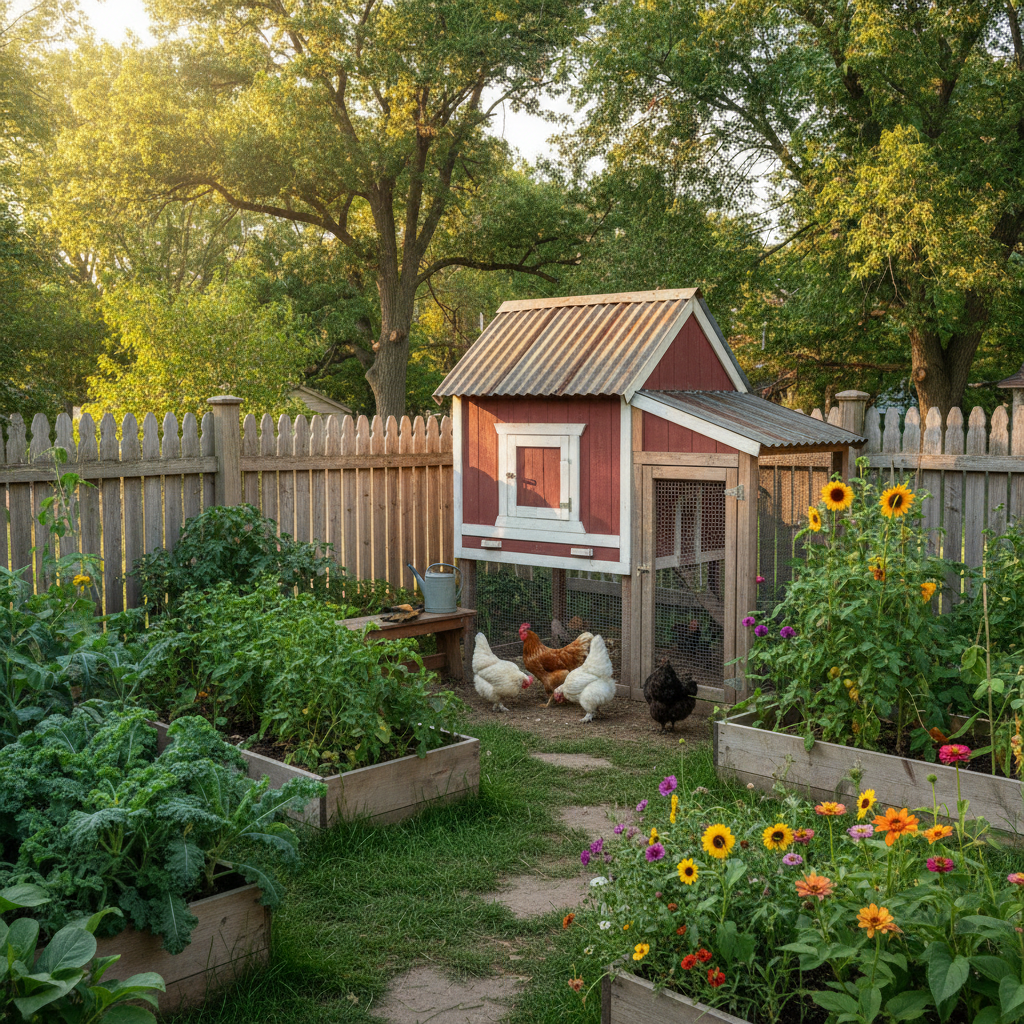
Raising chickens in your St. Paul backyard can be a rewarding venture, but it comes with its own set of challenges due to the harsh Minnesota climate. With temperatures frequently dropping to -25°F in winter, you’ll need a well-insulated coop and cold-hardy breeds to keep your flock happy and healthy.
How Much Space Do You Need per Chicken?
For backyard chickens in St. Paul, you’ll want to provide each bird with at least 4 square feet of indoor space and 10 square feet of outdoor space. This ensures they can move freely even when snow piles up outside. In neighborhoods like Highland Park and Como Park, where backyard space can be at a premium, a vertical coop might be ideal to maximize square footage.
Choosing the Right Breeds for St. Paul’s Climate
Wyandottes, Brahmas, and Buff Orpingtons are excellent choices for cold weather and rank high among locals. These heavy breeds have thick feathering that helps them survive those frosty St. Paul nights. You can read more about their traits on our Wyandotte, Brahma, and Buff Orpington pages.
Essential Features for a Winter-Ready Coop
A chicken coop in St. Paul needs solid insulation to keep weather extremes at bay. Insulating your coop can cost anywhere from $200 to $500, depending on materials. If you live in areas like West St. Paul, be sure to use at least 14-gauge hardware cloth to protect against predators like raccoons and foxes. Adding a heated waterer is non-negotiable to prevent your flock’s water from freezing solid.
Protecting Health Throughout the Year
Cold weather isn’t the only concern. Humidity can spike during St. Paul’s short summers, which means good ventilation is crucial to prevent respiratory issues. Keep an eye on Minnesota’s chicken health map for any disease outbreaks that could affect your flock.
Getting Started with Coop Plans
If you’re building from scratch, check out our coop plans to find designs suited for small urban spaces. Whether you’re in North St. Paul or closer to downtown, you’ll find something adaptable to your layout.
Final Thoughts from the Coop
St. Paul’s unique climate demands careful planning when it comes to keeping chickens. By equipping your coop with proper insulation, space, and breed selection, you’ll ensure your hens thrive year-round. Don’t forget to tap into local resources, as there are plenty of feed and supply options nearby.
FAQs
What are the best breeds for cold climates like St. Paul?
Wyandottes, Brahmas, and Buff Orpingtons are top picks for their resilience in cold weather. They’re known for their hardiness and ability to lay eggs even in the winter.
How do I keep my chickens’ water from freezing?
Investing in a heated waterer is essential in St. Paul. It ensures that your chickens have access to water even when temperatures plummet.
How can I protect my hens from predators?
Use a 14-gauge hardware cloth for your coop and run. This gauge is sturdy enough to keep out common predators such as raccoons and foxes.
How do I ensure proper ventilation in my coop?
Install adjustable vents to manage airflow without letting too much cold air in. This helps maintain a healthy environment for your chickens.
Where can I find local resources for chicken keeping in St. Paul?
Check our local supply page to find nearby feed stores and supply centers for all your coop needs.
More for St. Paul chicken keepers
Got questions or your own tips?
Jump into the community and swap notes with other backyard chicken keepers.
Comments
Sign in to join the conversation.
