
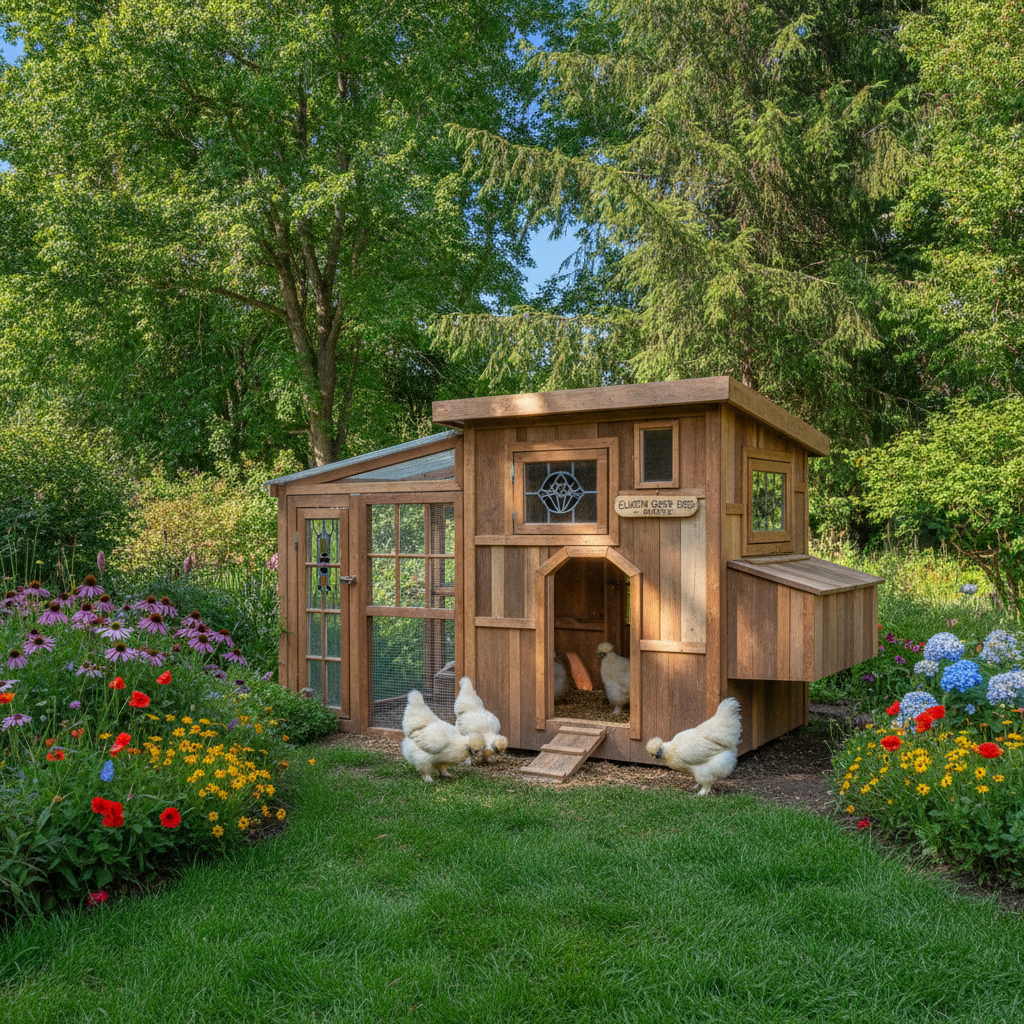
Innovative Chicken Coop Ideas for Seattle Backyards
By Mara K. · Updated July 22, 2026
Quick answer
Innovative chicken coop ideas for Seattle backyards prioritize mud management and ventilation. Build coops elevated on gravel or sand to prevent waterlogging and ensure good airflow with high vents. Choose hardy breeds like Welsummers and Barnevelders to thrive in damp conditions, ensuring your hens are comfortable and healthy year-round.
Key facts
- Coop elevation
- 6 inches
- Gauge wire
- 16 gauge
- Recommended breeds
- Welsummer, Barnevelder, Wyandotte
- Health check frequency
- monthly
- Ideal coop ventilation height
- at least 2 feet
Seattle's unique climate poses both challenges and opportunities for backyard chicken keepers. With our cool, wet conditions year-round and mild winters, it's key to design a chicken coop that keeps hens dry and comfortable. Let's explore some practical chicken coop ideas tailored for Seattle backyards.
How to Manage Mud in Seattle Rain
One of the biggest issues in Seattle is mud and keeping your flock's feet dry is a top priority. Consider building your coop on slightly elevated ground using elevated coop plans to prevent waterlogging. Here in West Seattle where we get those infamous rains, I've seen folks use gravel or coarse sand in their runs to help with drainage. A raised floor with hardware cloth allows droppings to fall through while keeping chickens above the muck.
Materials to Consider
, Gravel: Helps with drainage and reduces mud. , Sand: Ideal for areas with pooling water, easy to rake. , Pallets: Use for a quick, temporary raised floor solution.
Essential Ventilation Tips for Seattle Coops
Seattle’s marine climate demands good ventilation to prevent respiratory issues. In neighborhoods like Ballard and Northgate, where dampness can be persistent, it's vital to ensure your coop has sufficient airflow without drafts. Vents placed high in the coop, protected by an overhang, allow warm moist air to escape while keeping rain out.
Choosing Breeds Suited for Seattle's Climate
Selecting the right breeds for your Seattle coop can make all the difference. Breeds like Welsummers and Barnevelders do well here due to their hardiness in damp conditions. A Wyandotte is also a great choice, known for its cold tolerance and friendly nature. These breeds are less likely to suffer from respiratory issues common in our wet climate.
Protecting Your Flock from Predators
Even in urban areas like Bellevue, predators such as raccoons and hawks can be a concern. Ensure your coop is secure with strong gauge wire (I use 16, gauge welded wire myself) and reinforce any potential entry points. Hardware cloth is recommended over chicken wire for predator-proofing.
Finding Chicken Supplies in Seattle
Whether you're in Queen Anne or Capitol Hill, sourcing the right supplies is crucial. Check out our Seattle supply guide for local feed stores and equipment. Keeping your flock healthy with quality feed like Purina or Kalmbach helps them thrive in Seattle's climate.
Addressing Health Concerns in a Wet Climate
The dampness can lead to health issues like coccidiosis and mites. Regular health checks and maintaining a clean coop are crucial. Refer to our chicken health map for insights on local health concerns. If you're unsure, consult a chicken doctor to keep your flock in top shape. The Washington State University Extension offers excellent resources on poultry health as well.
Short FAQ on Keeping Chickens in Seattle
How do I prevent mud in my chicken run?
Elevate the coop area with gravel or sand and consider using pallets to keep chickens off the ground.
What are the best breeds for Seattle's climate?
Breeds like Welsummer, Barnevelder, and Wyandotte are well-suited to the damp climate here.
How can I improve coop ventilation?
Install vents high in the coop structure to allow moisture to escape without letting rain in.
How do I protect my hens from local predators?
Use strong gauge wire for all coop openings and reinforce with hardware cloth for added security.
Where can I buy chicken supplies in Seattle?
See our local supply guide for nearby stores and suppliers.
Final Thoughts from the Coop
Keeping chickens in Seattle is certainly doable with the right setup. Focus on mud management and ventilation, choose hardy breeds, and secure your coop well. Armed with these tips, you'll be ready to enjoy fresh eggs from your feathered friends, rain or shine!
More for Seattle chicken keepers
Got questions or your own tips?
Jump into the community and swap notes with other backyard chicken keepers.
Discuss in the community →Comments
Sign in to join the conversation.