
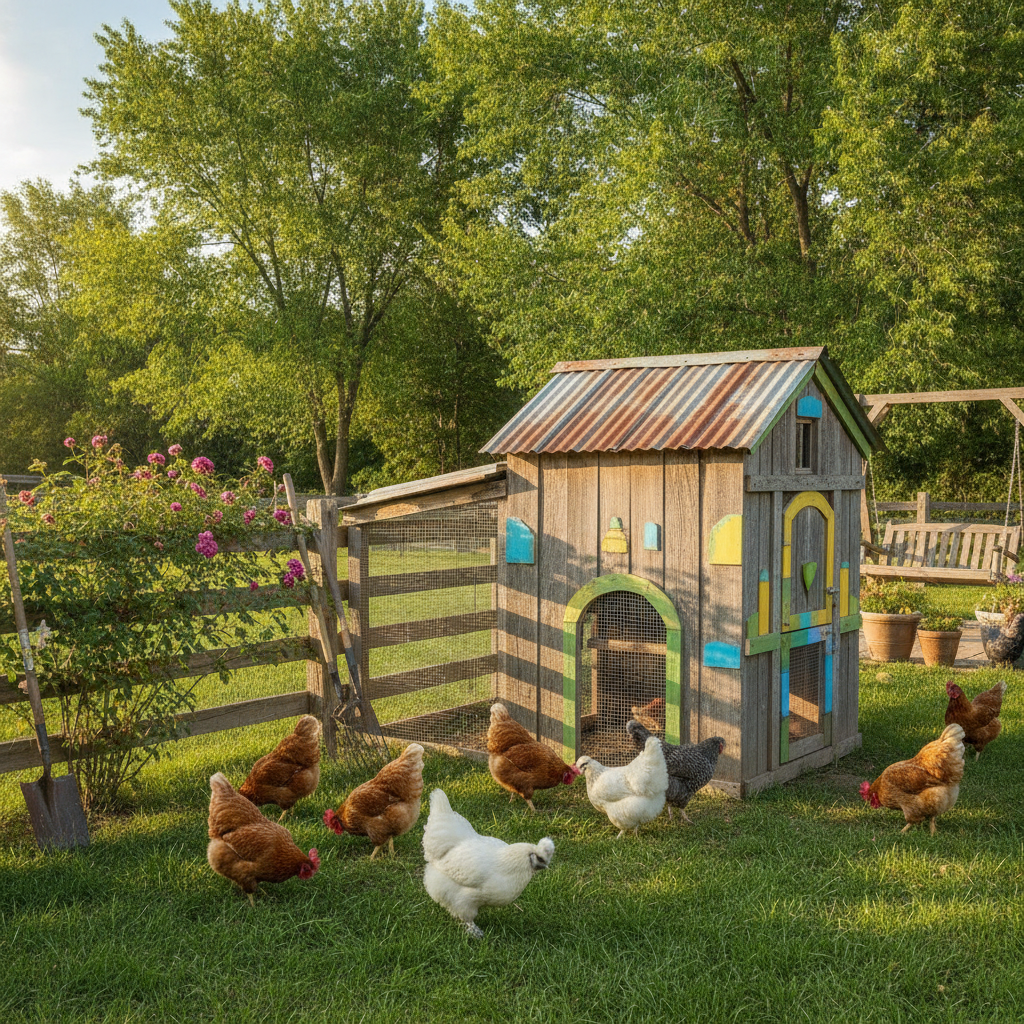
Crafting the Perfect Chicken Coop for Lincoln Backyards
By Mara K. · Updated July 9, 2026
Quick answer
To craft the perfect chicken coop in Lincoln, aim for 24 square feet for a flock of six chickens. Ensure proper insulation for winter temperatures that can dip into the teens and sufficient ventilation for highs in the 90s during summer. Consider local regulations and choose breeds suited for extreme weather.
Key facts
- Coop Size
- 24 square feet
- Winter Temperatures
- teens (°F)
- Summer Highs
- 90s (°F)
- Chicken Space
- 4 square feet per chicken
Raising chickens in Lincoln, NE is a rewarding experience, but it comes with its own unique set of challenges. With our humid, continental climate, featuring hot summers and cold, snowy winters, selecting the right chicken breeds and designing a coop that keeps them comfortable year-round is vital.
What Makes a Lincoln, Proof Coop?
When you’re building a coop in Lincoln, you’ll need to think about insulation and ventilation. The winters here can be harsh, with temperatures often dipping down to the teens in neighborhoods like Bethany and College View. Insulation is key to keeping your flock cozy. A double, walled coop with an interior layer of straw or foam board can make a world of difference. Additionally, adding a deep litter floor helps retain heat during those bitter cold nights.
But don’t forget summer! The average July highs often soar into the 90s. Make sure your coop has proper ventilation to prevent overheating. Windows with hardware cloth screens will promote airflow while keeping out predators.
For building supplies, you can check out local options on our Lincoln feed and supply page to find the best materials close to home.
Choosing Breeds for the Lincoln Climate
Lincoln's climate demands breeds that can handle temperature extremes. The cold-hardy Wyandotte, Brahma, and Buff Orpington all thrive here. These breeds feature rose combs or thick feathering, which make them resilient against frostbite.
In Ashton Place, for example, residents benefit from Wyandotte's winter egg-laying ability. You can learn more about these breed characteristics and others on our breed guide.
Coop Size and Space Considerations
The size of your coop matters just as much as its build. Each chicken needs about 3, 4 square feet inside the coop. So if you’re planning for a flock of six, which is a nice number for a backyard in Lincoln, aim for an 18, 24 square foot coop.
Consider building a covered run as well. This is especially handy in an area like Hickman, where weather can change quickly. A covered run allows your chickens some outdoor time even during a light snowfall.
Keeping Your Flock Healthy Year-Round
Health is paramount, especially with the varied weather in Lincoln. Regular vet check, ups can prevent issues before they escalate, and knowing where to find a chicken doctor is key. Keep an eye on our chicken health map for any outbreaks or issues in the area.
In winter, watch out for frostbite on combs and wattles. You can apply petroleum jelly as a preventative measure. During our humid summers, provide plenty of shade and fresh water to prevent heat stress.
For more extensive guidance, UNL Extension offers resources tailored to our local climate, ensuring your flock remains healthy whatever the season.
Compliance and Local Regulations
Before building, it’s wise to check Lancaster County ordinances, as they can dictate coop size, placement, and the number of chickens you’re allowed. Staying informed can save you a lot of hassle down the line.
Final Thoughts from the Coop
There’s nothing quite like the joy of raising your own chickens in a place as beautiful as Lincoln. With careful planning and consideration of our unique climate, your feathered friends will thrive. Whether you're in the bustling streets of downtown Lincoln or the quieter suburbs of Waverly, a well, designed coop is your first step towards a happy, healthy flock.
More for Lincoln chicken keepers
Got questions or your own tips?
Jump into the community and swap notes with other backyard chicken keepers.
Discuss in the community →Comments
Sign in to join the conversation.