
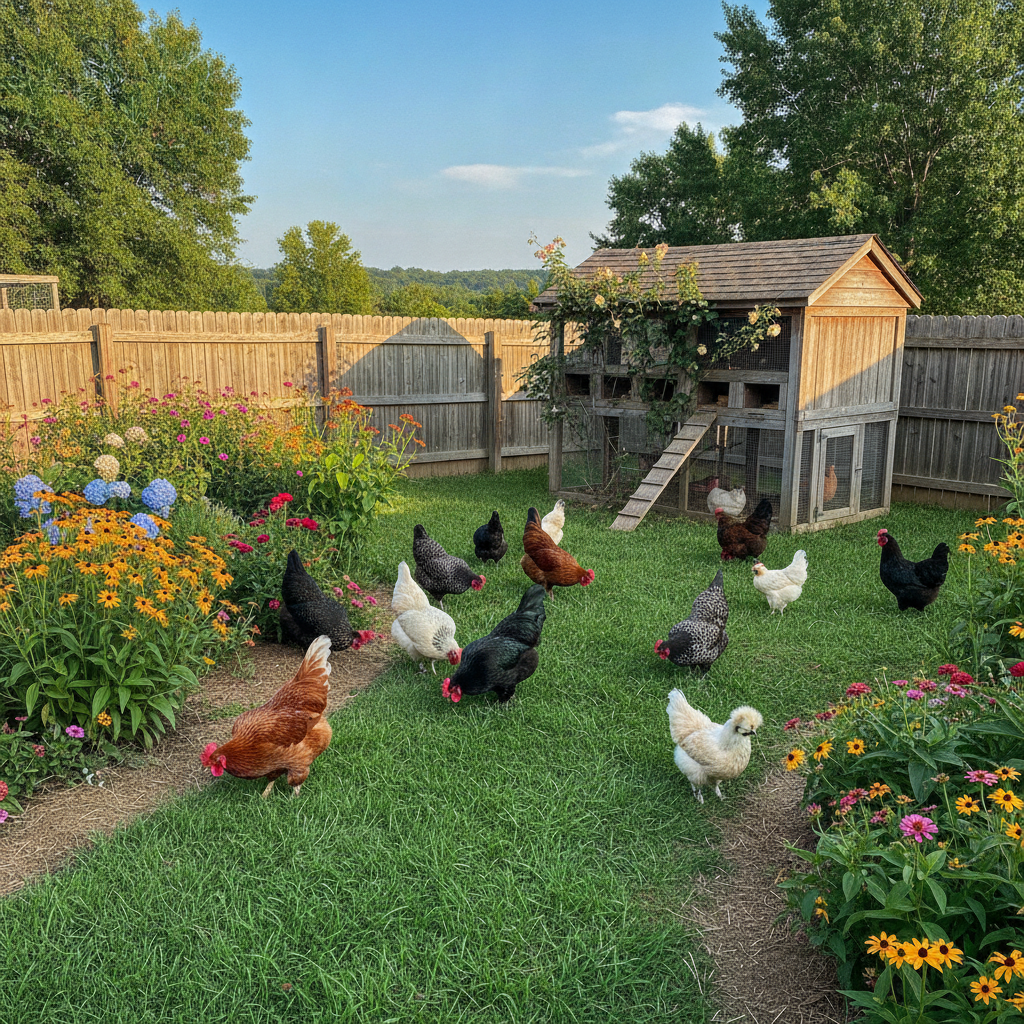
Best Chicken Breeds for Cincinnati Weather
By Mara K. · Updated September 15, 2026
Quick answer
Wyandottes, Brahmas, and Buff Orpingtons are the best chicken breeds for Cincinnati weather. They handle both the high summer temperatures and the frigid, snowy winters well. Wyandottes, for instance, have rose combs that help prevent frostbite in temperatures that can drop below 20°F.
Key facts
- Average Winter Low
- 22°F
- Summer Highs
- 86°F
- Humidity
- 63%
- Frost Dates
- October 23 - April 15
- Wyandotte Egg Production
- 200 eggs/year
If you're thinking about raising chickens in Cincinnati, Ohio, selecting the right breeds is crucial due to the city's humid-continental climate. With hot summers reaching up to 86°F and cold snowy winters where temperatures can dip below 22°F, you need hardy birds that can handle the extremes.
What Are the Best Chicken Breeds for Cincinnati Weather?
The best chicken breeds for Cincinnati weather are Wyandottes, Brahmas, and Buff Orpingtons. These cold-hardy breeds are well-suited to manage the frigid winters and hot summers typical of the region. Wyandottes, for instance, are known for their rose combs which help prevent frostbite in chilling temperatures. During the summer, they can still lay up to 200 eggs a year, providing both hardy adaptability and productivity.
Why Choose Wyandottes?
Wyandottes are fantastic for Cincinnati because they thrive in both cold and warm temperatures. With their dense feathers and rose combs, they resist frostbite better than other breeds. In neighborhoods like Hyde Park and Oakley, where the cold can bite hard, these chickens will roost comfortably. To learn more about this breed, check our detailed Wyandotte breed guide.
Brahmas: The Gentle Giants
Brahmas make another excellent choice due to their large size and feathered feet, which offer additional warmth during winter. These gentle giants handle Cincinnati's cold winters with ease and are usually very friendly, making them great for families in suburban areas like Blue Ash. If you're curious about their temperament or egg-laying habits, check out the full Brahma breed guide.
Buff Orpingtons and Their Adaptability
Buff Orpingtons are known for their adaptability, thriving in environments with high humidity like Cincinnati. With their friendly nature and reliable egg production, they're perfect for backyard coops in Anderson Township. Their ability to lay consistently even during the winter months ensures a steady egg supply. Visit our Buff Orpington breed guide for more details.
How to Prepare Your Coop for Cincinnati Winters
Building a well-insulated coop is essential to protect your flock from Cincinnati's harsh winters. Use our coop plans to guide you through the best designs, ensuring proper ventilation to prevent moisture buildup. It might be tempting to over-insulate, but remember, fresh air is essential to prevent respiratory issues. Adding deep litter for warmth can also help-this method reduces waste while adding a layer of insulation on the floor.
Where to Find Chicken Supplies in Cincinnati
For those just starting out with chickens, or seasoned keepers looking to restock, local feed and supply stores offer everything you might need. From feed like Purina and Kalmbach to hardware for coop repairs, these stores bring essential items close to home.
Final Thoughts from the Coop
Raising chickens in Cincinnati's unique climate is both challenging and rewarding. Whether you're set on Wyandottes, Brahmas, or Buff Orpingtons, choosing cold-hardy breeds will set you up for success. To ensure the good health of your flock, keep an eye on local conditions through the US chicken health and outbreak map and stay updated with weather insights from the National Weather Service to prepare for unexpected weather shifts.
FAQs About Raising Chickens in Cincinnati
How much space do chickens need per bird?
Chickens generally need at least 4 square feet of coop space per bird to prevent overcrowding, which is especially important during the colder months when they spend more time indoors.
When is the best time to start a flock in Cincinnati?
Spring is the ideal time to start your flock, after the last frost date around April 15, so that your chickens can mature during the warmer months.
How do I keep my chickens warm in winter?
Insulating the coop and using the deep litter method can help keep chickens warm. Providing plenty of straw and ensuring no drafts are crucial steps for winter preparation.
What kind of feed is best for cold weather?
In cold weather, chickens benefit from a higher protein feed. Brands like Purina and Kalmbach offer options specifically formulated for winter needs.
Can I let my chickens free-range in the snow?
Chickens can handle light snow, but it's best to limit exposure to deep or icy conditions to prevent frostbite and keep them healthy.
More for Cincinnati chicken keepers
Got questions or your own tips?
Jump into the community and swap notes with other backyard chicken keepers.
Discuss in the community →Comments
Sign in to join the conversation.